Help Center

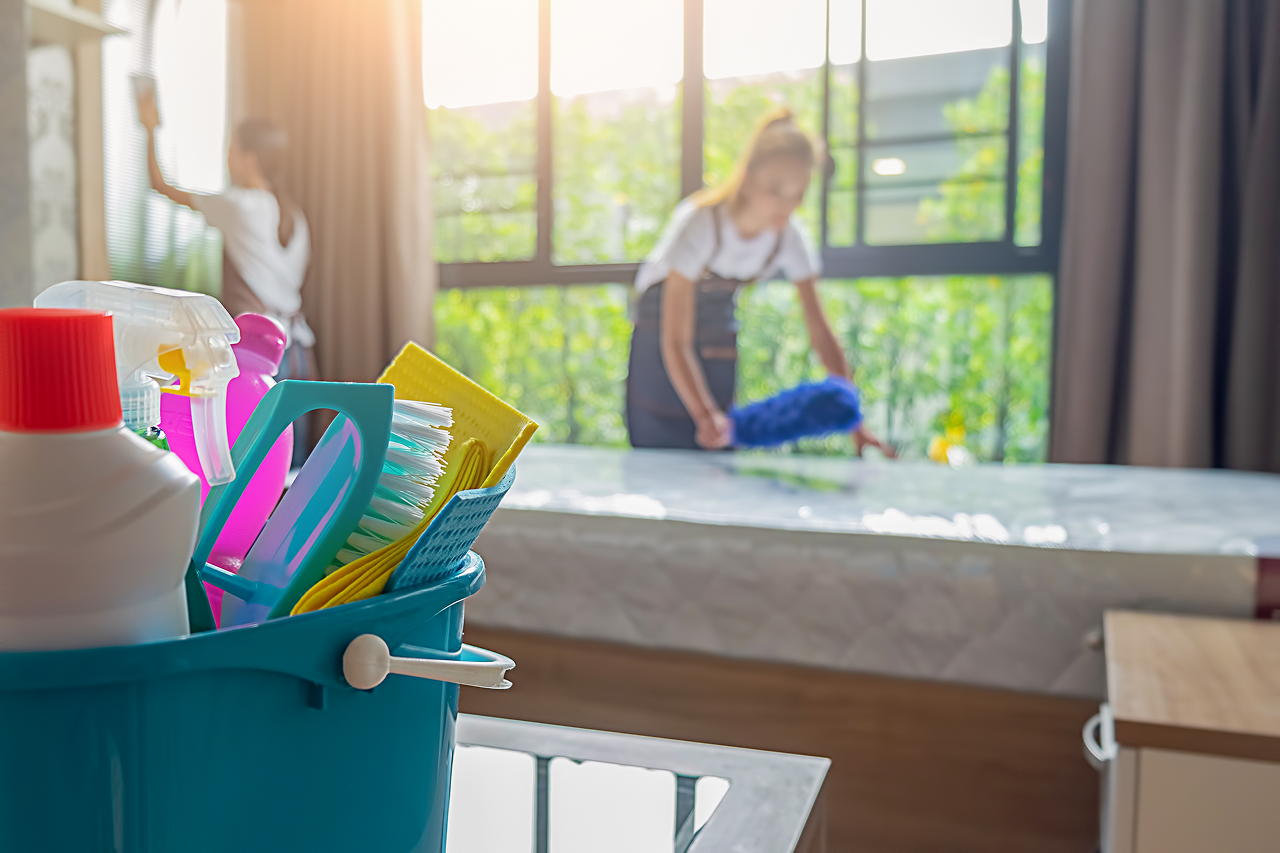
Commercial cleaning schedules break down in busy facilities when they're built around fixed times instead of actual usage. A hotel housekeeping team that cleans every room on the same 20-minute rotation, regardless of occupancy, wastes labor on empty rooms and falls behind in high-turnover sections. A gym that mops floors at 2 PM because "that's when we've always done it" misses the peak morning traffic buildup and creates slip hazards during the lunch rush.
The problem isn’t your staff or their effort. It’s treating every space the same when they’re clearly not. Some areas get heavy use all day. Others sit empty for hours. If you’re managing cleaning operations in a hotel, school, gym, or clinic, you need a schedule that matches what’s actually happening in your building—one that accounts for where dirt builds up fastest, which tasks keep occupants satisfied, and gives your team flexibility to shift resources where they’re needed most.
Stop cleaning by the clock. Map where dirt builds up fastest, prioritize tasks by health impact vs. appearance, and build flexible loops that let custodians shift resources based on conditions—not just follow the same route every day.

What Is a Commercial Cleaning Schedule?
A commercial cleaning schedule is a plan that says what needs to be cleaned, when it should happen, what products to use, and who's responsible for each task.
A good schedule keeps surfaces from breaking down, meets health codes and inspection requirements, and lets your staff get the work done without getting in everyone's way.

Why Most Cleaning Schedules Fail in High-Traffic Facilities
Most schedules fail because they treat every space the same. A conference room used twice a week doesn't need the same attention as a locker room with 400 daily visitors. When you schedule them identically, you waste time on empty rooms while busy areas fall behind. This is one of the top cleaning challenges facility managers face.
Three common failures:
You're cleaning by the clock instead of by usage. Saying "we clean every four hours" sounds organized, but if those times don't match when people use the space, you're missing the point. A commercial gym cleaning schedule that cleans restrooms at 6 AM, 10 AM, 2 PM, and 6 PM misses the 5-7 PM evening rush entirely. By 8 PM, you've got odor complaints and empty paper towel dispensers.
Your task list doesn't tell cleaners what matters.When someone has 30 minutes to clean a restroom, and the checklist lists everything (toilets, sinks, mirrors, floors, restock, trash), they're guessing at priorities. You end up with clean mirrors and dirty toilet seats because they ran out of time.
The schedule can't adapt. A hotel at 85% occupancy needs different coverage than the same hotel at 40%. If your schedule doesn't adjust for seasonal demand, event traffic, or staff callouts, you're either overstaffing constantly (expensive) or understaffing during busy periods (complaints, failed inspections, health risks).
You don't need more people. You need the right people in the right places at the right times.

How to Build a Usage-Based Cleaning Schedule
Step 1: Map Traffic Patterns and Soil Accumulation Zones
Walk your facility during different times of day and note where visible wear, odor, or debris concentrates. High-traffic zones are obvious (entryways, main hallways, restrooms near public areas), but secondary accumulation points often get overlooked.
Examples of what to track:
- Entrance mats that turn visibly gray by 10 AM in rainy weather
- Restroom sinks with toothpaste residue by mid-morning (hotel guests) vs. evening (gym members post-workout)
- Drinking fountain splash zones that leave standing water
- Stairwell landings where dust collects faster than adjacent floors
- Door handles, elevator buttons, and handrails that show fingerprint smudges
Document these patterns over two weeks, covering both busy and slow periods. Hotels should track weekday business travel vs. weekend family stays. Schools need pre-exam weeks vs. holiday breaks. Gyms should compare January (New Year surge) to July (vacation dip).
Use this data to create a facility heat map showing which areas degrade fastest. These become your priority cleaning zones.
Hotels
Room turnover drives workload more than time of day. A property with 30 checkouts before 11 AM and 5 checkouts after 3 PM shouldn't clean floors on the same schedule in both periods. Fixed schedules that assign two housekeepers to the third floor "every morning" waste hours on low-occupancy days and create bottlenecks during high-turnover periods.
Gyms
Peak times hit during morning (6-9 AM), lunch (11 AM-1 PM), and evening (5-8 PM) windows. Mopping floors at 2 PM daily misses morning traffic buildup and creates wet-floor hazards during lunch arrivals. Wipe dispensers emptied by 11 AM remain unstocked until the next scheduled refill, forcing members to share contaminated equipment.
Schools
Restrooms adjacent to cafeterias see heavy use during lunch periods, while administrative wing restrooms remain lightly trafficked. Cleaning both on the same two-times-daily schedule wastes resources on underused facilities while high-traffic restrooms accumulate problems between service intervals.
These guides provide comprehensive task breakdowns and maintenance protocols for different facilities:
• Hotel room cleaning checklist
• Back-to-school cleaning guide
• Locker room odor control guide
• Gym safety checklist

Step 2: Separate Tasks by Frequency and Impact
Not every cleaning task carries the same weight. Some prevent health code violations. Others just make the space look maintained. When time gets tight, your team needs to know which is which.
Critical tasks
These directly prevent health risks or code violations:
- Restroom disinfection (toilets, sinks, touchpoints)
- Kitchen and food prep surface sanitizing
- Medical exam room terminal cleaning between patients
- Bodily fluid cleanup
- Entrance mat maintenance during wet weather (slip prevention)
Miss these, and you risk failed inspections, liability claims, or illness spreading through your building. Critical tasks need fixed schedules with documented completion times.
High-visibility tasks
These affect how clean the space feels without a direct health impact:
- Lobby and reception area floors
- Glass doors and partitions
- Mirrors
- Trash in public spaces
- Restocking paper towels and hand soap
Skip these, and people assume the entire facility is dirty, even if critical hygiene tasks are completed. High-visibility tasks should follow traffic patterns rather than arbitrary time blocks.
Maintenance tasks
These prevent long-term surface damage but don't need daily attention:
- Carpet extraction
- Hard floor stripping and recoating
- Vent cleaning
- Light fixture dusting
- Grout deep cleaning
Schedule these during low-occupancy periods (overnight, weekends, seasonal closures). They shouldn't interfere with daily operations.
When labor is limited: Train custodians to complete critical tasks first, high-visibility tasks second. Maintenance can wait. Hygiene can't.

Step 3: Build Flexible Cleaning Loops, Not Fixed Routes
Traditional cleaning schedules assign custodians to fixed areas at fixed times ("clean second floor restrooms at 9 AM, 1 PM, 5 PM"). This works when traffic is predictable. It fails when usage spikes or drops unexpectedly.
Instead, build cleaning loops where custodians cycle through priority zones, spending more or less time in each area based on conditions.
Example: Hotel housekeeping with checkout-driven loops
Rather than cleaning all rooms on a floor sequentially, housekeepers check the property management system for checkout status and prioritize rooms with immediate turnover needs. Stayover rooms (guests returning that evening) get light service (trash, towels, quick surface wipe) while checkout rooms receive full cleaning. If occupancy drops, housekeepers shift to deep-cleaning unoccupied rooms or assisting with laundry rather than following an empty-room cleaning loop.
This requires real-time task assignment (digital work-order systems or supervisor radio dispatch) but significantly reduces labor waste.
Example: Gym restroom checks with condition-based timing
Instead of cleaning restrooms every four hours regardless of usage, custodians check high-traffic restrooms every 90 minutes during peak hours (5-9 AM, 4-8 PM) and do spot cleaning only if needed (restock paper, wipe sinks, empty trash). Full disinfection runs occur twice daily (mid-morning, late evening) when traffic is lighter, allowing custodians to complete contact time requirements without occupants interrupting the process.
For facilities with wireless call buttons or sensor-based monitoring, custodians respond to real-time alerts (low paper, overflowing trash, water on the floor) rather than waiting for the next scheduled check.

Step 4: Match Products and Tools to Task Frequency
High-frequency cleaning—tasks repeated multiple times per shift—needs fast-drying, residue-free products. Deep cleaning can use slower-acting chemicals since surfaces have time to cure.
For daily touchpoint disinfection:
EPA-registered disinfecting wipes that kill bacteria in 15-30 seconds work well for quick surface cleaning between deep sanitation cycles. Look for products with fast contact times and 800+ count rolls to reduce mid-shift refills. Position wall-mounted dispensers or floor stands in busy zones where touchpoints need frequent cleaning.
For facilities prioritizing eco-friendly options, plant-based disinfecting wipes use citric acid as the active ingredient while maintaining EPA registration for pathogen kill claims.
For restroom deep cleaning:
Hypochlorous acid disinfectant provides hospital-grade pathogen kill with no harsh fumes, making it suitable for occupied facilities. For mineral deposit removal, organic acid restroom cleaner cuts hard water stains without requiring a rinse step.
For floor maintenance:
Wet mop heads pair with standard mop handles for daily mopping in restrooms, locker rooms, and kitchens. The 5-inch mesh band fits standard bucket wringers, which resist chemical degradation and have measurement markings for accurate dilution.
For rubber flooring in gyms and fitness centers, specialized rubber floor cleaners remove body oils and equipment residue without damaging the surface or leaving slippery residue.
For high-traffic entryways, commercial-grade entrance mats trap up to 1.5 gallons of water per square yard, reducing the amount of moisture tracked onto interior floors. That means fewer slip hazards and less mopping when it’s wet outside.
For laundry management:
Commercial laundry hamperswith 6-bushel capacity and rolling casters simplify towel and linen transport in hotels, locker rooms, and spas. The foldable steel frame allows for compact storage when not in use.
Step 5: Document Cleaning and Track Completion Rates
Schedules only work if staff follow them. Digital checklists (tablet-based or smartphone apps) let custodians log task completion in real time, timestamp entries, and flag missed areas for supervisory follow-up.
For facilities without digital systems, paper checklists work if they're designed correctly. Include a checkbox, timestamp field, and signature line for each task. Supervisors review logs daily and identify patterns (restrooms cleaned late, skipped steps, equipment failures). The High-Touch Surface Cleaning Checklist & Guide for Facilities provides detailed surface-level priorities to include in your daily task lists.
When completion rates drop below 90% for critical tasks, dig into why:
- Task lists are too long for the allocated time (unrealistic expectations)
- High absenteeism requiring cross-training or temporary staff
- Equipment failures (broken mop bucket, empty wipe dispenser) are delaying work
- Tasks scheduled during peak occupancy when custodians can't access spaces
Adjust task frequency, reallocate labor, or shift timing to match actual capacity. A schedule that looks perfect on paper but consistently fails in practice isn't a schedule, it's a wish list.

Evaluating Your Current Cleaning Schedule: A Decision Framework
Before rebuilding from scratch, assess whether your current system can be modified. Use this framework to identify what's working and what needs to go.
Does your schedule account for traffic variation?
- If all areas receive identical cleaning frequency regardless of use, start by mapping traffic patterns (Step 1 above) and shifting labor towards busy zones.
Are critical hygiene tasks consistently completed on time?
- If restroom disinfection, kitchen sanitizing, or medical area cleaning regularly gets skipped, either add labor hours or cut low-priority tasks so critical work is protected.
Do custodians have the right tools for each task frequency?
- If frequent touchpoint cleaning uses slow-acting products or low-capacity containers, switch to fast-drying disinfectants and bulk dispensing systems that reduce refill trips.
Can supervisors verify task completion without physically inspecting every space?
- If you're relying on trust instead of documented evidence, implement checklists (digital or paper) with timestamps and signatures.
Does the schedule flex when occupancy changes?
- If you're fully staffed for peak occupancy during slow periods or short-handed during rushes, create tiered schedules with clear triggers for adding or reducing labor (e.g., "above 75% occupancy, add mid-shift restroom checks").
Are cleaners trained to prioritize tasks when time is limited?
- If custodians spend equal effort on mirrors and toilet disinfection, rewrite task lists with explicit priority rankings and train staff on what to skip when running behind.

Cleaning Schedules That Work
Effective schedules aren’t complicated—they’re specific to how your building actually gets used. They account for where dirt builds up fastest, which tasks carry real health consequences, and how traffic patterns shift throughout the day. When you stop cleaning by the clock and start cleaning by conditions, labor hours align with actual need. For detailed guidance on adapting these principles to evolving facility needs, see 2026 Facility Cleaning Trends: What Every Facility Manager Needs to Know
Zogics supplies the cleaning products and bulk consumables that support efficient facility operations across hotels, gyms, schools, and healthcare facilities. Shop commercial cleaning supplies or contact our team for product recommendations based on your facility type and traffic volume.