Help Center

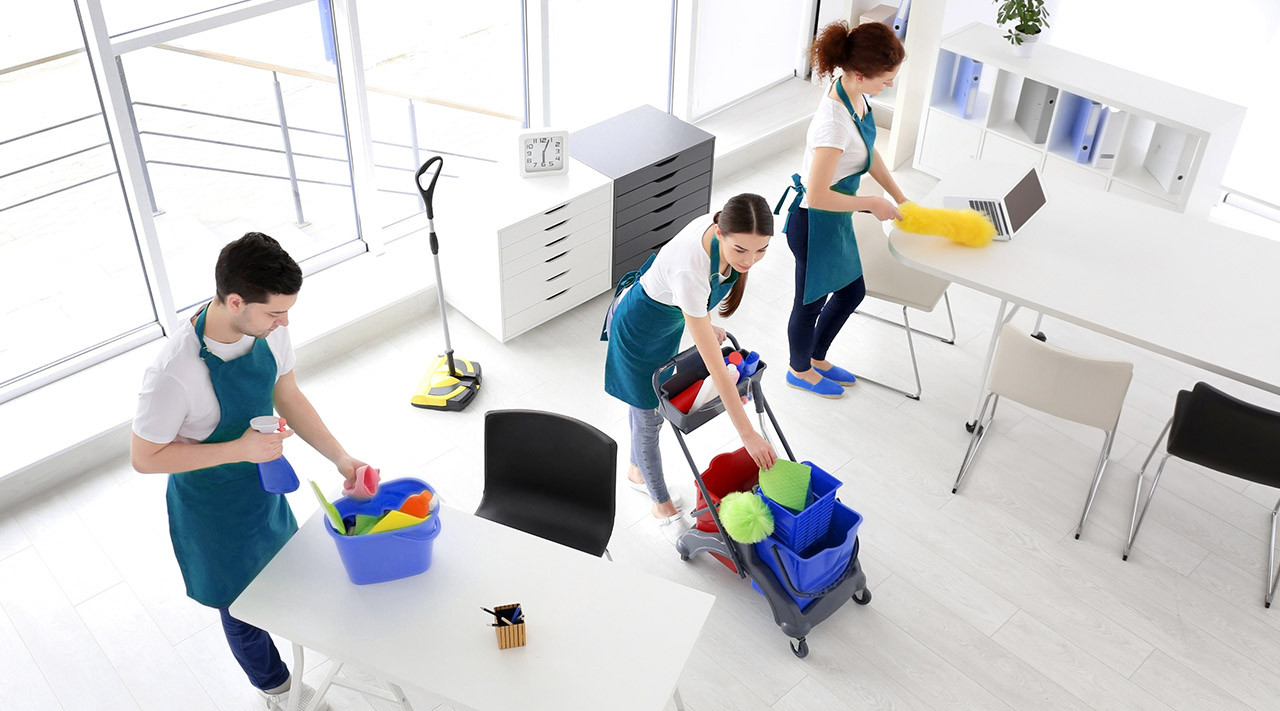
Facility cleaning trends in 2026 are being driven by one hard constraint: there are not enough people to clean the way facilities were cleaned five years ago. Labor is scarce, expectations are higher, and buyers now judge a cleaning program on measurable outcomes — air quality, verified disinfection, waste reduction — rather than on how many hours a crew logged.
Five shifts are reshaping how facilities are cleaned this year. Here's what each one means for your budget, your staff, and your supply decisions.
Quick Answer
The Five 2026 Trends: Robotic floor care, occupancy-based cleaning, indoor air quality, verified sustainability, and predictive maintenance.
What's Driving Them: A janitorial labor market with roughly 351,300 openings a year and only 2% projected growth, per the U.S. Bureau of Labor Statistics.
Biggest Measurable Payoff: Indoor air quality — Harvard researchers recorded cognitive scores 101% higher in well-ventilated buildings.
Where To Start: Audit your highest-traffic zone first. Occupancy data usually shows 20-30% of cleaning hours going to rooms almost nobody uses.
Budget Reality: Labor is 65-75% of a typical commercial cleaning contract, so every trend below is ultimately a labor-allocation decision.
The 2026 Facility Cleaning Trends at a Glance
Each trend below solves a specific operational problem. Match the trend to the pain point you actually have rather than adopting all five at once.
| Trend | Problem It Solves | Best Fit For | Investment Level |
|---|---|---|---|
| Robotic Floor Care | Repetitive large-area scrubbing eats staff hours | Warehouses, big-box retail, airports, large gyms | High |
| Occupancy-Based Cleaning | Crews clean empty rooms on a fixed schedule | Offices with hybrid schedules, schools, campuses | Medium |
| Indoor Air Quality | Odor complaints, absenteeism, stale-air complaints | Any occupied building, especially fitness and healthcare | Low to Medium |
| Verified Sustainability | Procurement and tenants demand proof, not claims | Facilities with ESG reporting or LEED targets | Low |
| Predictive Maintenance | Empty dispensers and emergency call-outs | High-traffic restrooms, multi-site portfolios | Medium |
1. Robotic Cleaning Systems Go Mainstream
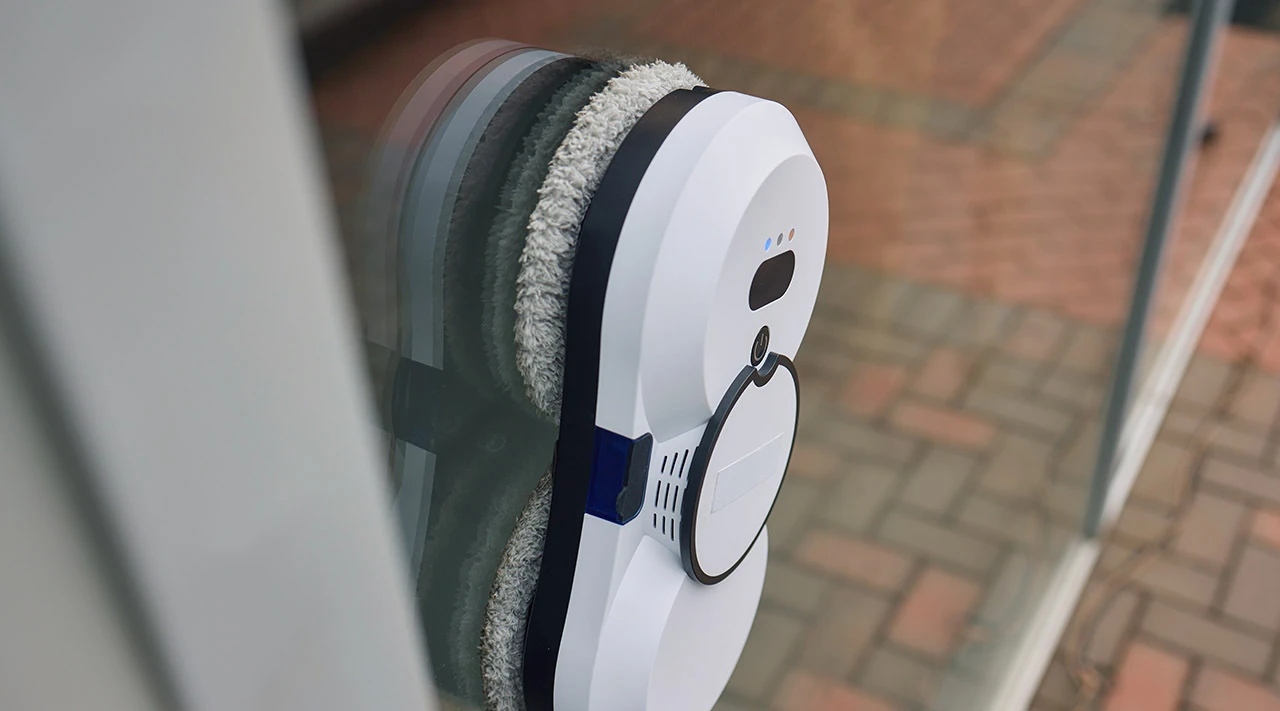
Direct answer: Autonomous floor scrubbers now handle repetitive large-area cleaning in warehouses, retail, and fitness facilities, freeing staff for detail work that machines cannot do — restrooms, high-touch surfaces, and spot response.
Robotic scrubbers have moved past pilot programs. What changed is not the robots themselves but the math around them: when a facility cannot reliably staff a third shift, a machine that runs unattended overnight stops being a luxury.
The realistic gain is not headcount reduction. It is reallocation. A robot that covers 40,000 square feet of open floor overnight returns those hours to work that actually drives complaints when it slips — restroom detail, touchpoint disinfection, and rapid spill response.
Before investing, it helps to understand what an industrial floor scrubber actually does and where autonomous models genuinely outperform a walk-behind unit. Facilities with tight aisles, heavy obstacle traffic, or under 10,000 square feet of open floor rarely see a return.
Where robotics still fall short:
- Restrooms and locker rooms — too many fixtures and vertical surfaces
- Cluttered or frequently rearranged spaces
- Detail work along edges, corners, and baseboards
- Anything requiring judgment about what is actually dirty
Most facilities running robotics still pair them with conventional floor cleaning machines for edges and detail passes.
2. Occupancy-Based, Data-Driven Cleaning
Direct answer: Occupancy-based cleaning uses sensors and badge data to trigger cleaning when a space is actually used, replacing fixed schedules that send crews into rooms nobody entered.
This is the single highest-return trend for offices, and it requires no robots. Hybrid work broke the assumption behind fixed-route cleaning: that every room gets used every day. It doesn't. Conference rooms sit empty, whole floors run at partial capacity Mondays and Fridays, and crews clean all of it anyway.
Sensor data consistently reveals the same pattern — a large share of cleaning hours going to low-use spaces while genuinely high-traffic zones get the same allocation they got in 2019.
| Cleaning Model | How Work Is Triggered | Main Weakness |
|---|---|---|
| Fixed Schedule | Calendar — same rooms, same frequency | Cleans empty rooms, under-serves busy ones |
| Occupancy-Based | Sensor or badge data on actual use | Requires sensor investment and staff retraining |
| Hybrid Model | Fixed baseline plus sensor-triggered extras | More complex to schedule and audit |
The hybrid model is what most facilities actually land on. A guaranteed daily baseline protects against the failure mode of pure sensor-driven cleaning — a lightly used room that quietly goes a week without attention.
3. Indoor Air Quality Leads Commercial Cleaning and Workplace Hygiene Trends in 2026
Direct answer: Indoor air quality is now treated as a cleaning outcome rather than an HVAC problem, because the products a crew uses and the ventilation rate in a space jointly determine what occupants breathe.
Air quality has become the clearest example of how commercial cleaning and workplace hygiene trends converged in 2026: what the crew sprays and how the building breathes are now evaluated together. This is also where the evidence is strongest. Researchers at the Harvard T.H. Chan School of Public Health's COGfx study measured cognitive function test scores 101% higher — roughly double — for participants working in green-building conditions with enhanced ventilation compared to conventional building conditions. The study tied the effect directly to lower CO2 and fine particulate (PM2.5) exposure.
That finding matters for cleaning because cleaning products are a controllable source of indoor air contaminants. The EPA identifies cleaning supplies as a recognized source of indoor pollutants, alongside building materials and combustion sources. Ventilation is set by ASHRAE Standard 62.1; product selection is set by you.
Practical steps that improve air quality without an HVAC project:
- Switch high-volume products to low-VOC or fragrance-free formulations
- Keep air filters on a documented replacement schedule instead of a reactive one
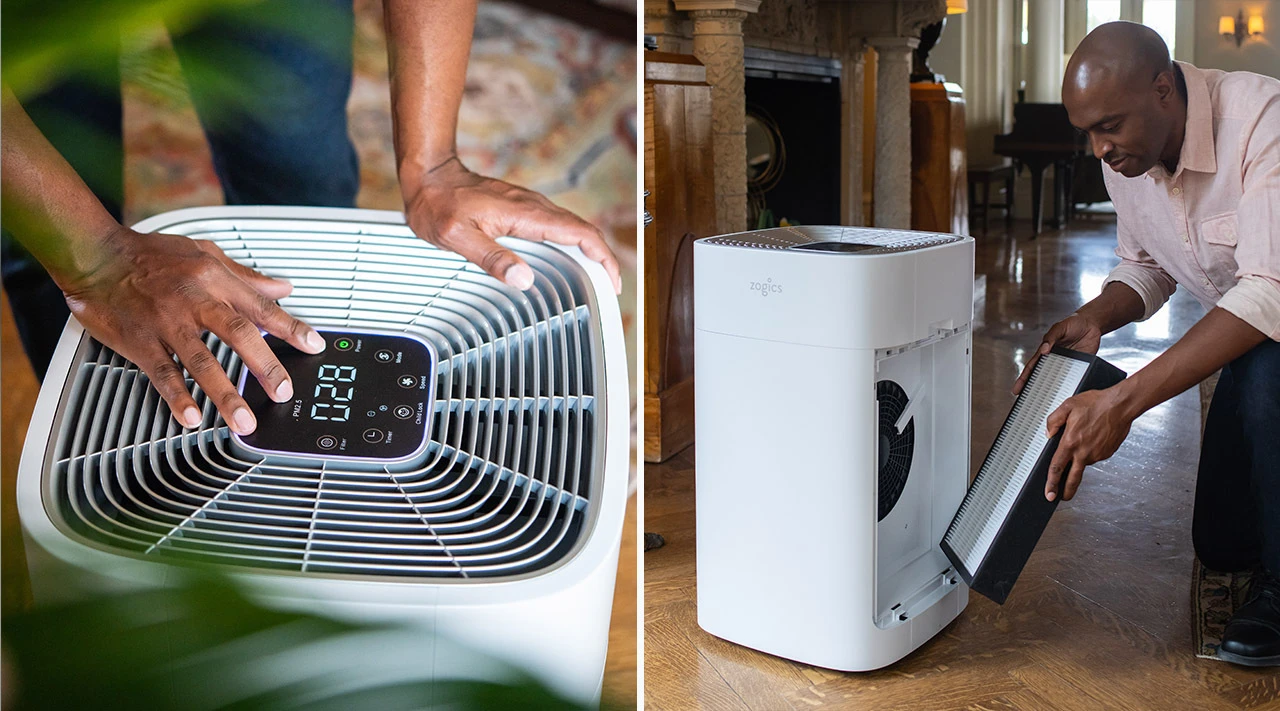
- Add portable air filtration in rooms ventilation can't reach — locker rooms, interior conference rooms, group fitness studios
- Move heavy chemical applications to unoccupied hours
- Treat odor sources rather than masking them with fragrance
That last point deserves emphasis. Masking agents add VOCs without removing the source. For organic odors — sweat, urine, food waste — enzymatic treatment removes the material causing the smell. The distinction between enzyme cleaners and disinfectants is one of the most common points of confusion in facility purchasing, and getting it wrong means buying the wrong product for the problem.
4. Sustainability Moves from Claims to Verification
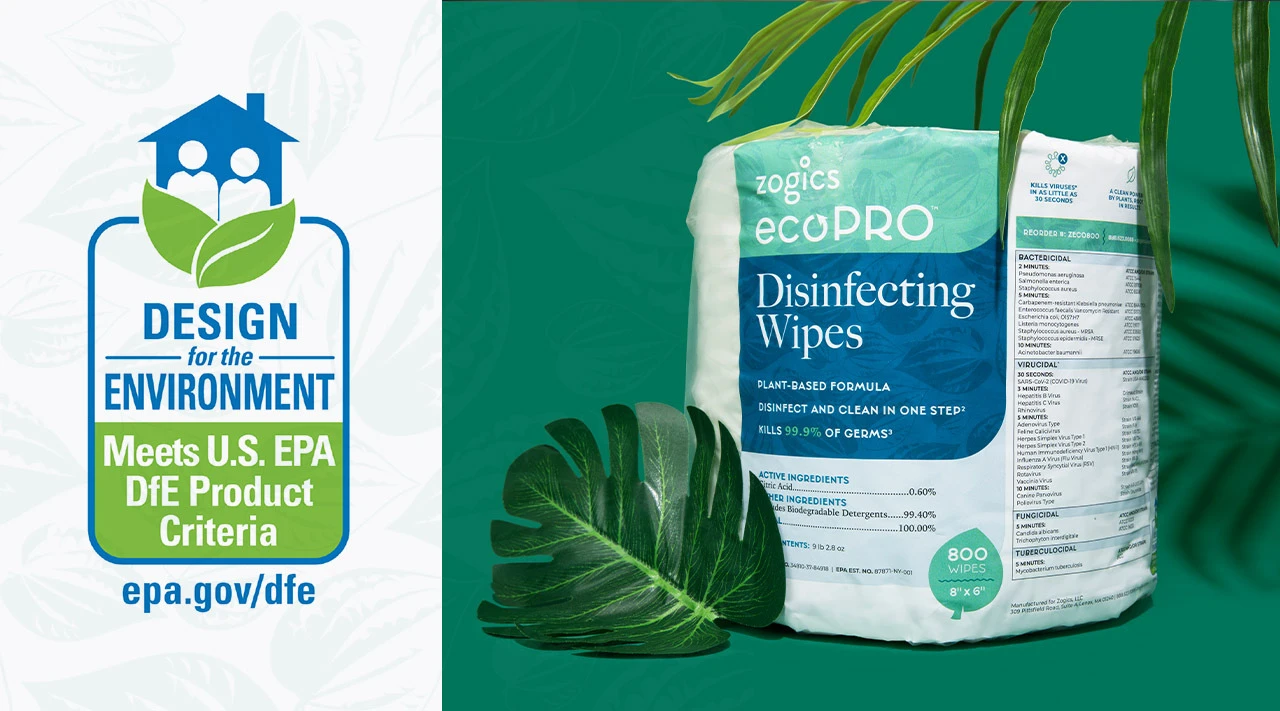
Direct answer: In 2026 the sustainability question in procurement has shifted from "is it green?" to "which certification, and can you document it?" — third-party marks like EPA Safer Choice and Green Seal are replacing unverified marketing language.
The practical change is that "eco-friendly" on a label now carries almost no weight in a bid. Facilities with ESG reporting obligations or LEED targets need a certification they can cite in documentation.
| Certification | Administered By | What It Verifies |
|---|---|---|
| EPA Safer Choice | U.S. Environmental Protection Agency | Every ingredient reviewed for human and environmental health |
| Green Seal | Green Seal (independent nonprofit) | Performance plus health and environmental criteria |
| "Eco-Friendly" Label | Nobody — unregulated marketing term | Nothing verifiable |
You can check any product against the EPA's Safer Choice product database or Green Seal's certification directory before it goes into a bid document.
Concentrates deserve a mention here because they are the rare sustainability move that also cuts cost. A dilution-control concentrate ships one container instead of many ready-to-use jugs, which reduces both packaging waste and freight. Shifting high-volume disinfectants and general-purpose cleaners to concentrate is usually the least disruptive sustainability change a facility can make.
5. Predictive Technology Prevents Problems
Direct answer: Connected dispensers and equipment sensors report supply levels and service needs before they fail, turning restroom restocking and equipment maintenance from reactive tasks into scheduled ones.
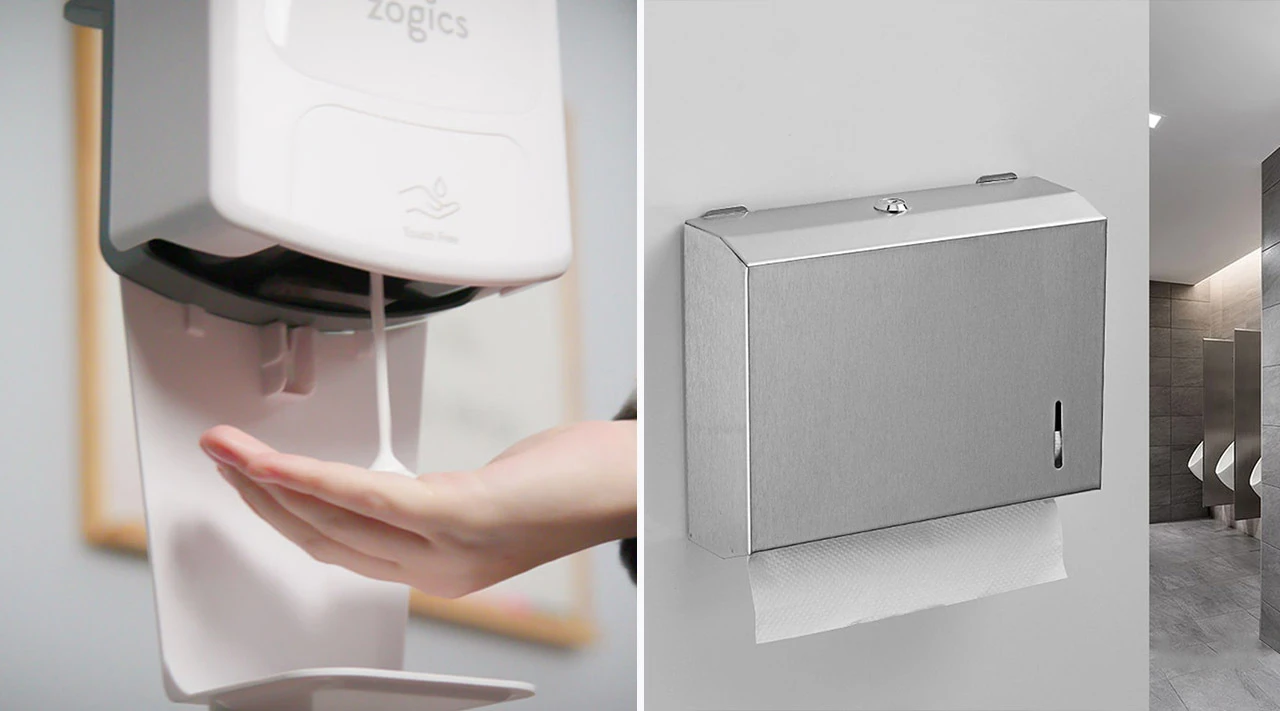
An empty soap or towel dispenser is a small failure with an outsized reputational cost — it is one of the most common triggers for facility complaints. Connected dispensers report fill levels so restocking happens on a route, not on a complaint.
The same logic applies to equipment. Sensors on scrubbers and vacuums flag brush wear and filter loading before performance drops, which prevents the failure mode where a machine has been cleaning poorly for weeks and nobody noticed.
Facilities adopting this typically start with restrooms, since that is where stockouts are most visible. Standardizing hand soap, paper towels, and sanitizer dispensers across a site is a prerequisite — mixed dispenser models make monitoring and refill logistics far harder than they need to be.
Janitorial Services: The Best Trends in 2026 Come Back to Labor
Direct answer: Every trend on this list is a response to the same underlying constraint — janitorial labor is hard to hire and harder to keep, and labor accounts for roughly 65-75% of a commercial cleaning contract's value.
The U.S. Bureau of Labor Statistics projects employment of janitors and building cleaners to grow just 2% from 2024 to 2034 — slower than average across all occupations — while roughly 351,300 openings are projected each year. Almost all of those openings come from replacing workers who leave, not from new positions.
That is the number that explains 2026. An industry needing to fill a third of a million roles a year, mostly to replace departures, cannot solve its problem by hiring harder. It has to reduce the hours required per square foot and make the remaining roles better.
What facilities are doing in response:
- Automating the repetitive, low-judgment work first — open-floor scrubbing above all
- Cutting wasted trips through occupancy data and connected dispensers
- Simplifying chemical lineups so training is faster and mistakes are rarer
- Standardizing equipment across sites so staff can move between buildings
- Documenting procedures so quality does not walk out the door with a departing employee
The chemical-simplification point is underrated. A crew managing eight products with different dilution ratios and dwell times will make errors; a crew managing three will not. Simplification improves both compliance and onboarding speed.
Commercial Business Supplies in 2026: What Changed in Procurement
Direct answer: The latest shift in commercial business supplies is consolidation — facilities are reducing supplier counts and standardizing SKUs across sites to cut administrative overhead and gain leverage on price.
Multi-site operators in particular have moved away from letting each location order independently. Fragmented purchasing produces incompatible dispensers, redundant chemicals, and no negotiating position.
Consolidation checklist for a supply review:
- Inventory every chemical SKU in use across all sites — duplicates are usually obvious immediately
- Identify products that do the same job under different labels
- Standardize dispenser systems before standardizing refills
- Move high-volume items to concentrates where performance allows
- Confirm certifications on anything that must appear in ESG or LEED reporting
Floor care is often the best place to start, because it tends to accumulate the most redundancy. Knowing the differences between commercial floor cleaner types — neutral cleaners, degreasers, strippers, finishes — is what prevents a facility from stocking four products where two would do. The full floor and carpet care range covers most surface types a commercial facility will encounter.
What This Means for Fitness and High-Traffic Facilities
Direct answer: Fitness facilities feel these trends first because they combine heavy sweat load, shared equipment, and members who evaluate cleanliness on every visit.
A gym compresses every challenge in this article into one building. Equipment is touched constantly, locker rooms generate persistent organic odor, and unlike an office, the occupants are paying customers who will cancel over a dirty facility.
Three things matter disproportionately here:
- Contact time on equipment. A disinfectant only works if the surface stays visibly wet for the dwell time on the label. Wiping dry immediately is the most common failure in gym cleaning.
- Material compatibility. Alcohol and harsh quats degrade vinyl upholstery and equipment finishes over time, which turns a cleaning routine into an equipment-replacement expense.
- Odor source removal. Locker room odor is organic and requires enzymatic treatment, not fragrance.
Getting this right starts with best practices for cleaning gym equipment, which covers dwell times and surface compatibility in detail. Zogics also maintains a fitness industry collection built around these requirements.
How to Prioritize These Trends in Your Facility
Direct answer: Start with the cheapest trend that addresses your loudest complaint. Sustainability and air quality changes cost the least; robotics costs the most and fits the fewest facilities.
| If Your Biggest Problem Is... | Start Here | Typical Time to Result |
|---|---|---|
| Odor Complaints | Enzymatic treatment plus targeted air filtration | Days |
| Can't Staff Shifts | Occupancy data to cut wasted hours, then automation | 1-3 months |
| Supply Stockouts | Standardize dispensers, then add monitoring | 1-2 months |
| Procurement Pressure | Swap to certified products and concentrates | Weeks |
| Rising Labor Cost | Simplify chemicals, then evaluate robotics | 3-6 months |
An honest caveat: robotics gets the most attention and fits the fewest facilities. If you do not have large uninterrupted floor areas, the return will not be there, and the money is better spent on air quality, product simplification, or dispenser standardization — all of which pay back faster and carry less risk.
The Bottom Line for 2026
Facility cleaning in 2026 is being measured, not just performed. The facilities doing this well are not the ones that bought the most technology — they are the ones that identified their actual constraint and spent against it.
For most, that constraint is labor. Every trend here either reduces the hours a building requires or makes the hours you have go further. Start with the cheap changes, document what improves, and let measured results drive the expensive decisions.