




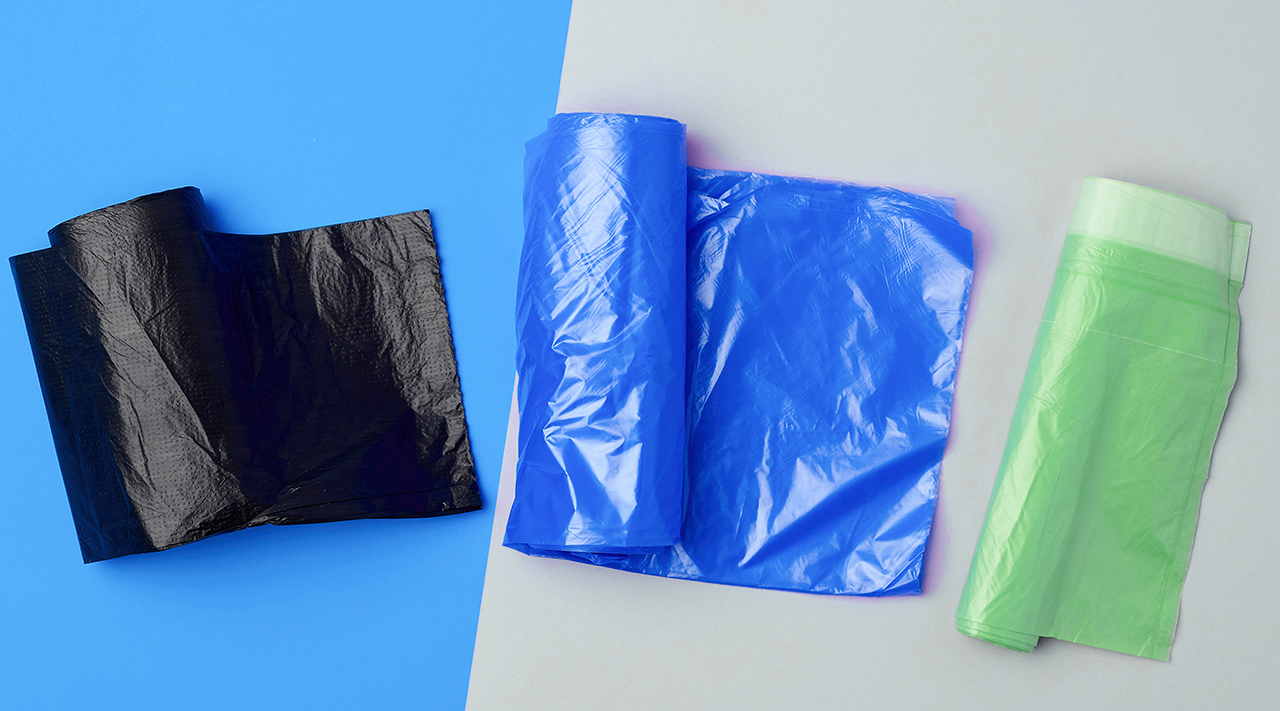
Choosing the right types of trash bags plays a bigger role in waste management than most people realize—whether you’re handling household waste, running an office, or managing a commercial facility. With so many trash bag sizes available, from standard trash bag sizes to heavy-duty commercial options, it’s important to understand what sizes trash bags come in and which materials work best for your needs.
This guide breaks down garbage bag sizes, strengths, and eco-friendly options so you can confidently choose the typical trash bag size and style that fits your kitchen, outdoor areas, or business operations.
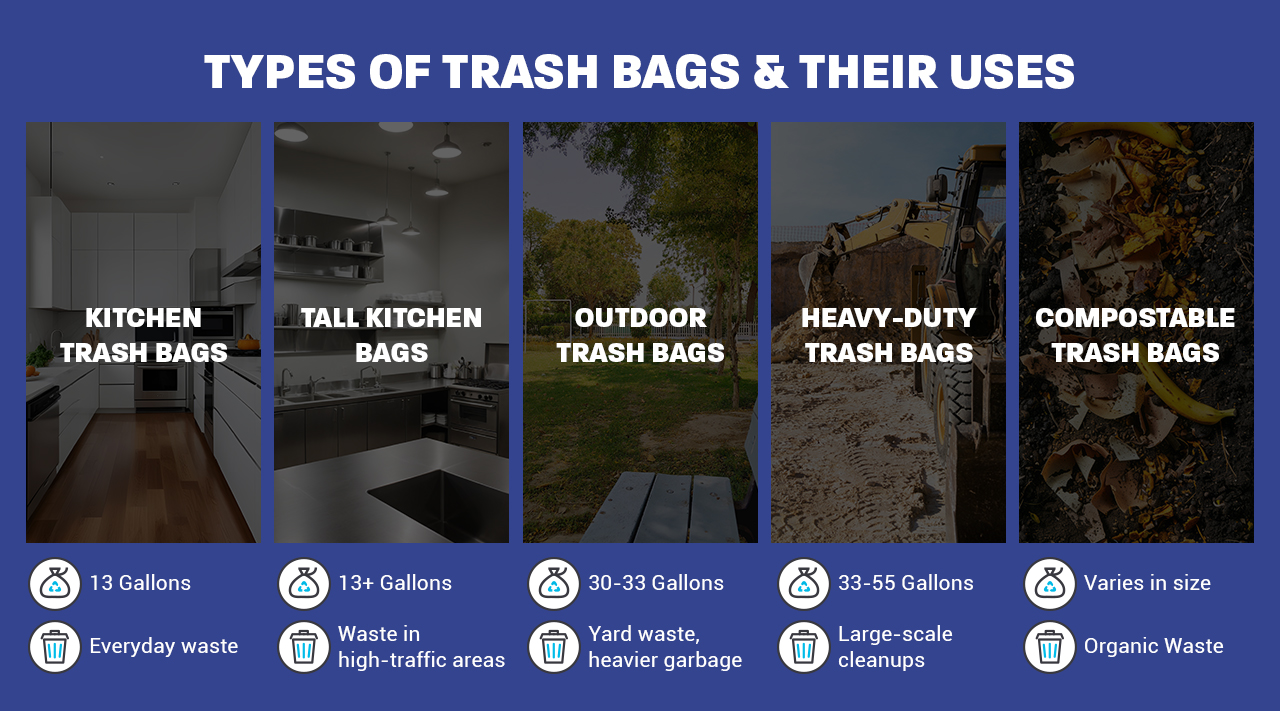
Types of Trash Bags & Their Uses
1. Kitchen Trash Bags
• Size: 13 gallons
• Use: Everyday waste
• Recommended: High-density liners for dry waste
2. Tall Kitchen Bags
• Size: 13+ gallons
• Use: High-traffic areas that produce more waste
• Benefit: Reduces the frequency of taking out trash
3. Outdoor Trash Bags
• Size: 30-33 gallons
• Use: Yard waste or heavier garbage
• Feature: Thick plastic for durability
4. Heavy-Duty Trash Bags
• Size: 33-55 gallons
• Use: Construction debris or large-scale cleanups
• Strength: Tear-resistant, designed for heavy loads
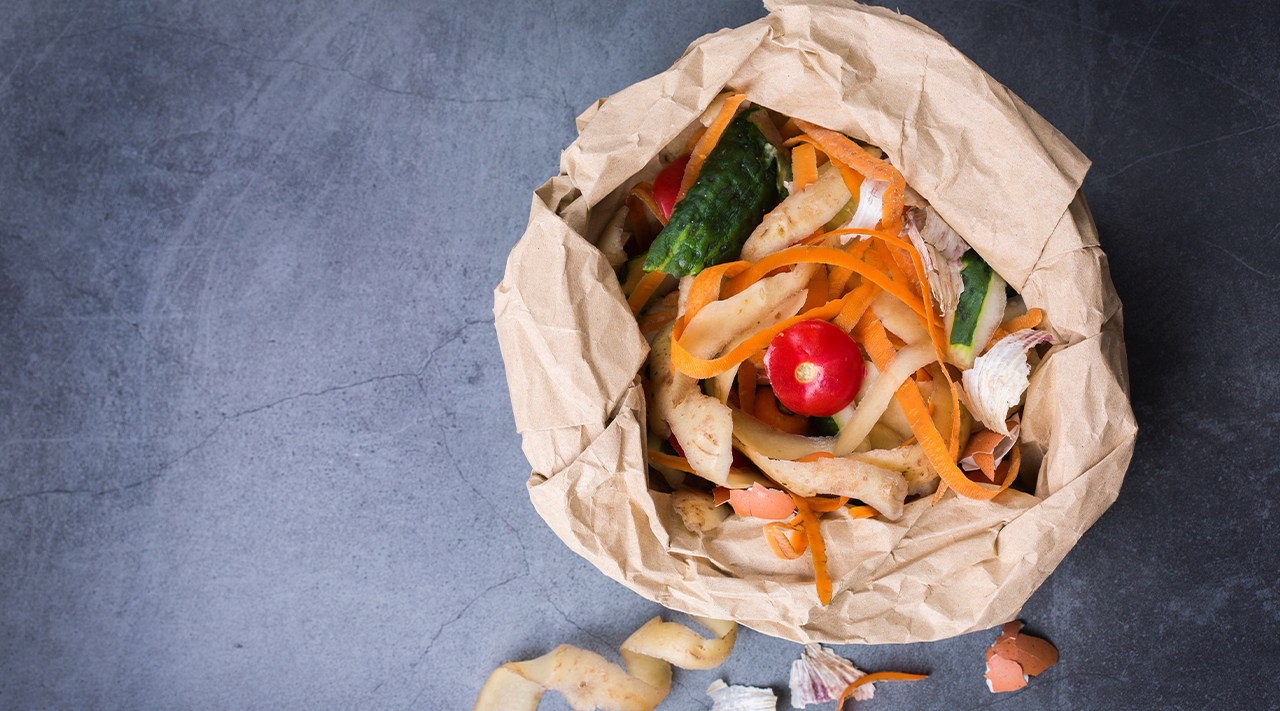
5. Compostable Trash Bags
• Size: Varies
• Use: Organic waste
• Benefit: Made from biodegradable materials to reduce environmental impact
How to Choose the Right Trash Bags
The size of your trash bag isn’t always straightforward. For instance, a 48-gallon bin might require a 65-gallon bag. Follow these two easy steps to determine your ideal trash bag dimensions, based on your bin's shape.
Step 1: Determine the Width of Your Trash Bag
• For Square or Rectangular Cans:
• Measure the perimeter (the sum of all sides) of the trash can, then divide it by two. This gives the width of the trash bag you’ll need.
• Example:
• Perimeter: 32 inches
• Width of trash bag: 32 ÷ 2 = 16 inches
• For Round Cans:
• Take the diameter of the trash can and multiply it by 3.14 (π). Divide that number by two to get the bag’s width.
• Example:
• Diameter: 16 inches
• Width: (16 × 3.14) ÷ 2 = 25 inches
Step 2: Determine the Height of Your Trash Bag
• Measure the height of your trash can and add 4 inches to account for overhang.
• Add half the width (diameter) of the can to the total to ensure the bag reaches the bottom properly.
• Example Calculation:
• Bin Height: 42 inches
• Diameter: 24 inches
• Bag height: 42 + 4 (overhang) + 12 (½ diameter) = 58 inches
Step 3: Match Bag Sizes to Common Cans:
• 2-4 Gallons: Office wastebaskets
• 13 Gallons: Standard kitchen bins
• 33 Gallons: Outdoor bins
• 55 Gallons: Industrial-sized bins
Pro Tip: It’s always better to choose a slightly larger bag to avoid spills and make removal easier.
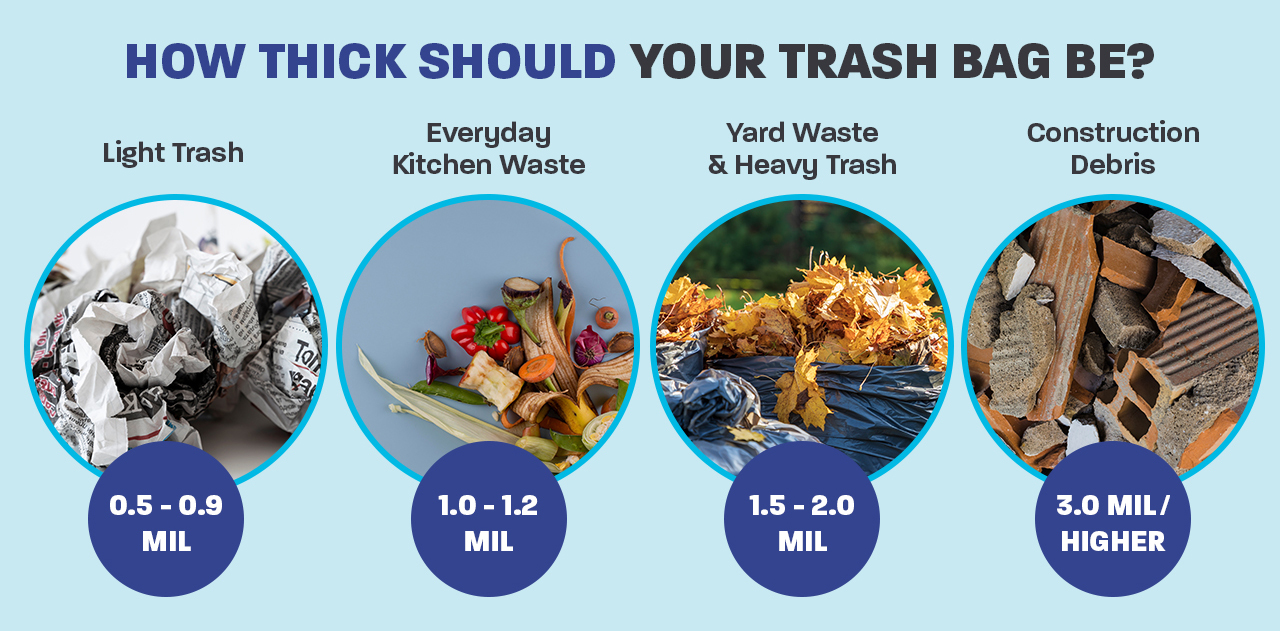
Using thicker bags for heavy or sharp waste ensures no tearing. For daily household waste, thinner bags work fine and help reduce plastic use.
Types of Trash Bag Seals
• Star Seal: Reduces leaks and allows the bag to conform to the trash can shape.
• Flat Seal: Leak-proof but doesn’t fit snugly into bins.
• Gusset Seal: Reinforced edges but prone to leaking with wet waste.
Eco-Friendly Trash Bag Options
- Biodegradable Trash Bags: Break down naturally in landfills.
- Recycled Plastic Bags: Use post-consumer waste, reducing plastic production.
- Compostable Bags: Ideal for organic waste and environmentally conscious consumers.
Sustainability Tip: Many eco-friendly bags come in minimal packaging to further reduce environmental impact.
Purchasing Tips: How to Make Informed Choices
Price vs. Quality: Invest in durable bags to avoid frequent replacements.
Bulk Buying: Save on costs with bulk purchases if storage space allows.
Environmental Impact: Choose eco-friendly trash bags made from recycled or biodegradable materials.
Odor Control: Bags with odor-blocking technology are ideal for food waste.

Trash Bags That Fit Every Need
Choosing the right trash bags enhances waste management and contributes to sustainability efforts. From heavy-duty trash bags for construction to eco-friendly trash bags for homes, this guide helps you make informed, environmentally conscious decisions.
Start using the right bags today for a cleaner, greener future!
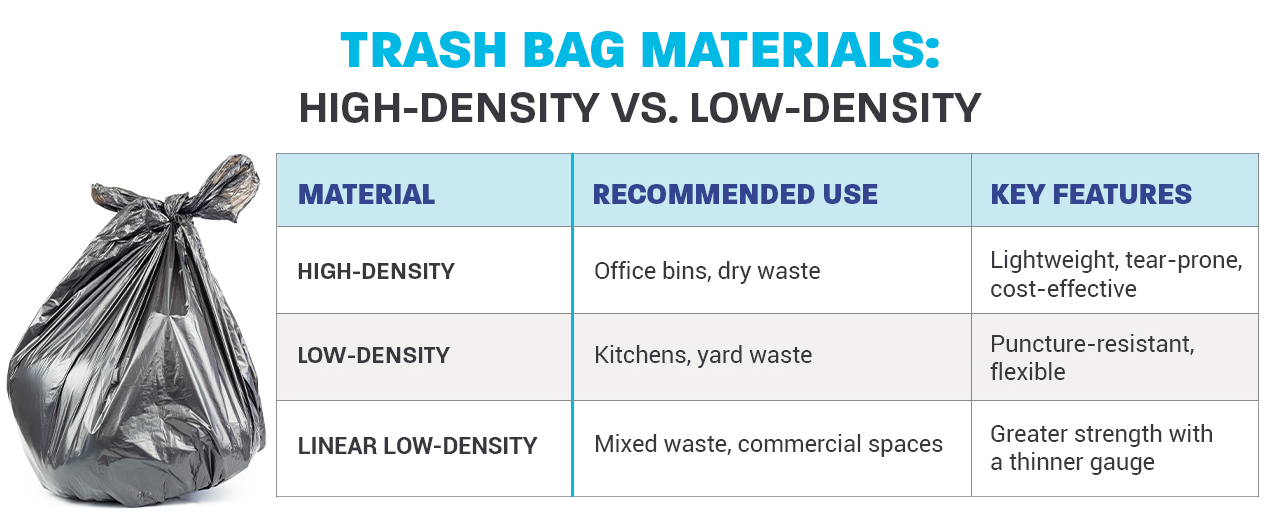
While high-density trash bags are lightweight and cost-effective, they may tear when used for wet or heavy waste. For better durability, low-density trash bags are recommended.
Yes, biodegradable trash bags help reduce plastic pollution and support sustainability goals, especially when used for composting organic waste.
Measure the height and diameter of your trash bin, then consult a trash can liner size guide to ensure the best fit and avoid overfilling or slipping.
Compostable trash bags are designed to fully break down in composting environments, while biodegradable bags decompose more slowly and typically break down in landfill conditions.