




Paper Towels vs Air Drying: Hand Drying that Balances Hygiene, Cost & Noise in Commercial Facilities
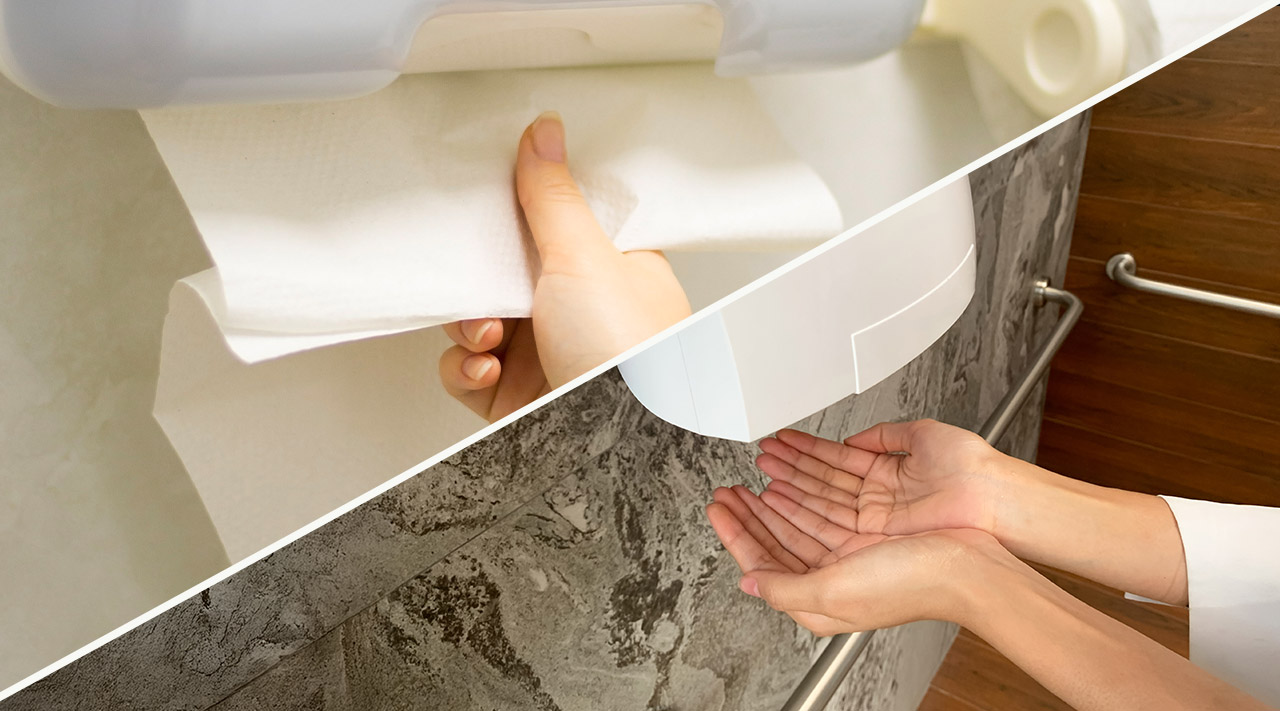
Your hand-drying decision impacts every restroom visitor, every day. Between paper towel dispensers requiring constant restocking and hand dryers disrupting nearby workspaces, facility managers balance competing demands that affect budgets, hygiene standards, and occupant satisfaction. The choice between paper towels and air dryers determines monthly supply costs, maintenance schedules, waste management needs, and even ADA compliance ratings. Each option brings distinct trade-offs—paper towels deliver quiet, quick drying but generate ongoing expenses and waste, while hand dryers eliminate supply costs but introduce noise and longer drying times. Understanding how these systems perform across hygiene effectiveness, total cost of ownership, acoustic impact, and user experience helps facility managers implement solutions that work for their specific environments.
The Hygiene Factor: What the Science Actually Says
When it comes to hygiene effectiveness, the evidence is nuanced but clear in key areas. A comprehensive review published in Mayo Clinic Proceedings concluded that:
“From a hygiene viewpoint, paper towels are superior to electric air dryers; therefore, paper towels should be recommended for use in locations in which hygiene is paramount, such as hospitals and clinics.”
But here's what matters for your facility: proper hand drying technique trumps method. Whether you choose commercial paper towel dispensers or hand dryers, the key is ensuring users have clean, well-maintained options that encourage complete hand drying. Wet hands can transfer up to 1,000 times more bacteria than dry hands—making any drying method better than walking out with damp hands. If you’re deciding between different soap formats, check out our guide comparing foam and liquid soap to help you choose the best option for your facility—and ensure your dispensers, refill schedule, and user experience stay consistent across all restrooms.
Hygiene-Sensitive Environments: Healthcare, Senior Living & Food Service
For healthcare facilities, senior living centers, and food-service operations — where infection control is a top priority — paper towels frequently become the clear and practical choice for hand drying. The CDC recommends that any hand-hygiene setup include a drying method such as disposable towels (e.g., paper towels) or an air dryer. In its hand‐hygiene guideline, the CDC explicitly instructs that after hand-washing with soap and water, one should “dry with a disposable towel”. That said, the CDC also acknowledges the current lack of definitive scientific evidence comparing the hygienic effectiveness of paper towels versus air dryers in terms of germ removal.
To round out your hand hygiene program in high-risk areas, standardize sanitizer access at entries/exits and outside high-traffic restrooms. For guidance on placement, capacity, and touchless features, explore our comprehensive guide to choosing the right hand sanitizer dispenser for your facility.

Breaking Down the Real Costs
Initial Investment vs. Long-Term Expenses
Air dryers require a significant upfront investment—anywhere from $300 to $800 per unit, plus installation costs that can add another $200-$500 per dryer. However, once installed, operating costs average just $30-$40 annually per dryer in electricity.
Bulk paper towels require minimal initial investment in dispensers (typically $50-$200 per unit), but ongoing supply costs add up. A busy restroom can go through 3-5 cases of paper towels monthly, translating to $150-$250 in supplies per restroom.
The Hidden Cost Factors
What vendors won't tell you is that the total cost equation includes several hidden factors:
Labor costs: Paper towel dispensers need regular refilling and generate waste that requires collection. In a 50,000-square-foot facility, staff typically spend 15-20 hours weekly on paper towel maintenance alone.
Maintenance expenses: Air dryers require periodic filter replacements and professional servicing when motors fail. High-speed models are particularly prone to bearing wear, with average repair costs running $150-$300.
Plumbing considerations: Paper towels contribute to plumbing issues when improperly disposed of, with emergency plumbing calls averaging $500-$1,500 per incident. Installing multifold paper towel dispensers with integrated waste receptacles helps minimize this risk.
The Noise Dilemma Nobody Talks About
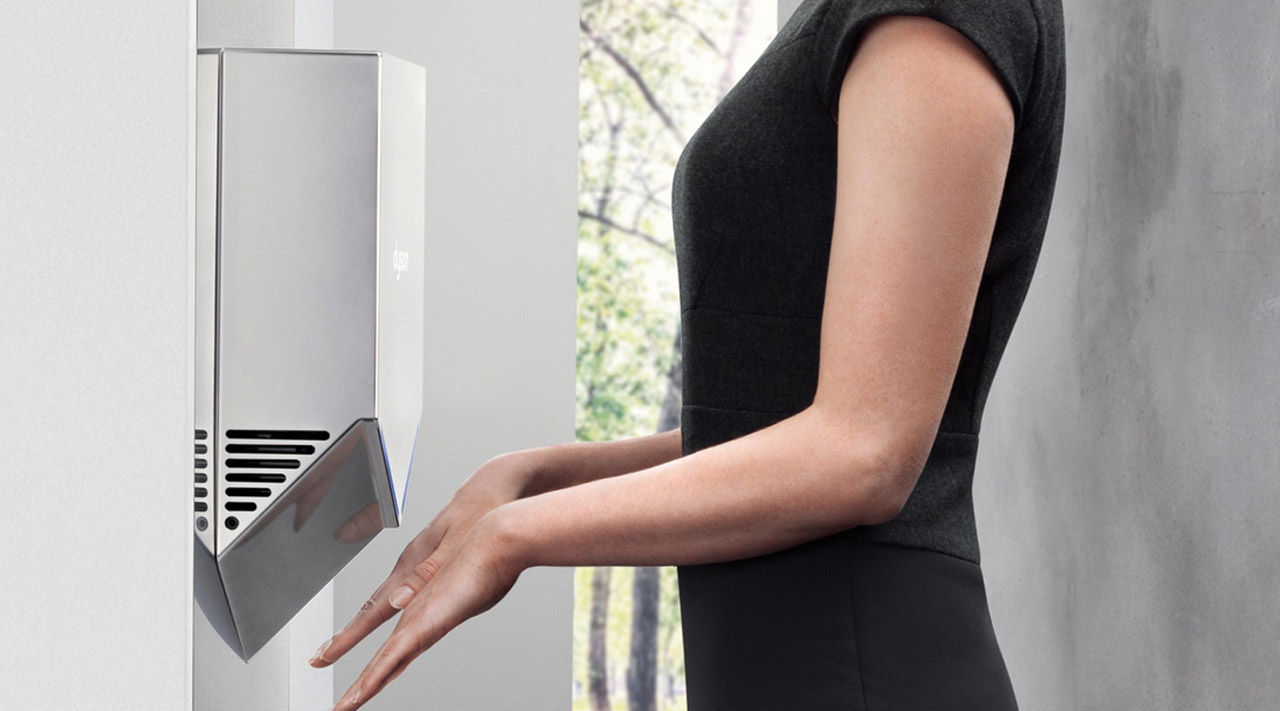
Noise level from hand dryers is a legitimate concern that affects both employee productivity and customer experience. Many commercial hand dryers operate at 75-90 decibels—equivalent to a garbage disposal or lawn mower. In facilities with multiple restrooms near office spaces, conference rooms, or customer service areas, this creates a significant disruption.
Facilities with noise-sensitive zones such as executive areas, open-plan offices, or customer-facing spaces should evaluate dryer noise ratings carefully—and consider paper towel dispensers where quiet is necessary.
Strategic Approaches for Different Facility Types
High-Traffic Corporate Offices
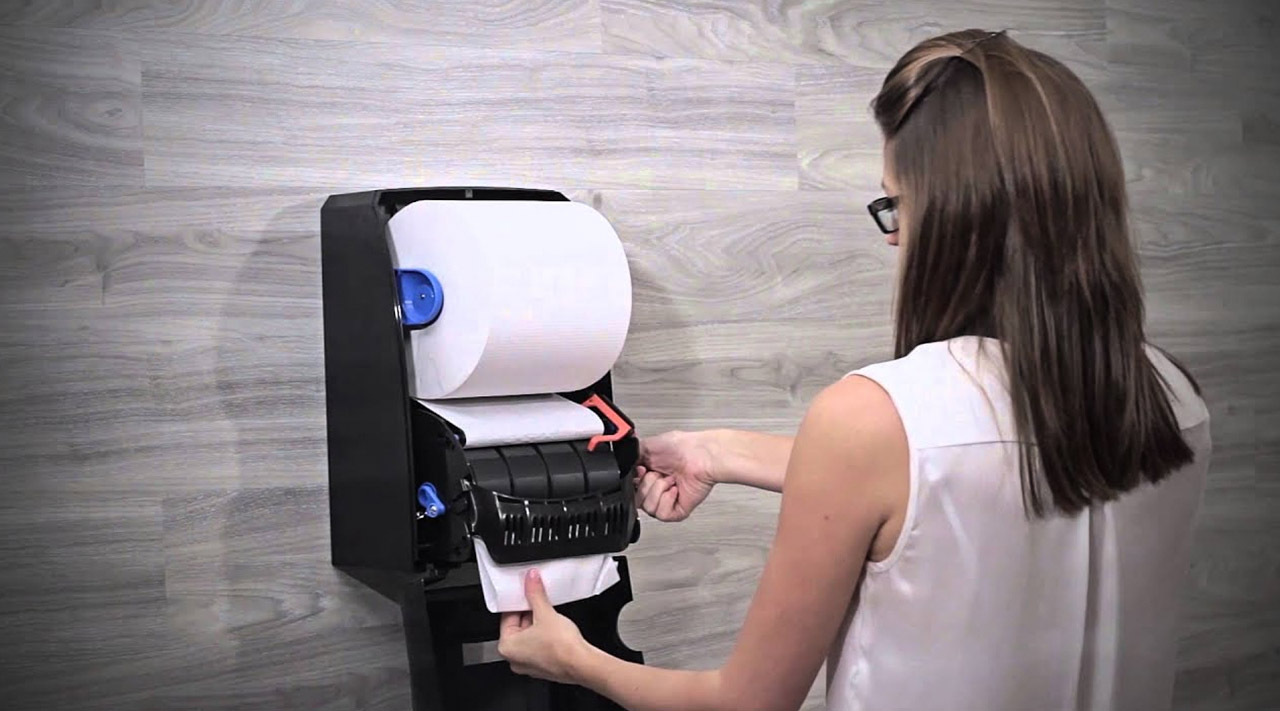
For busy corporate environments, a hybrid approach often works best. Install touchless paper towel dispensers in executive areas and conference room restrooms where noise sensitivity is highest. Deploy efficient warm-air dryers in high-traffic common areas where the longer drying time won't create bottlenecks.
Stock dispensers with premium center-pull paper towels that offer one-at-a-time dispensing to control consumption. This can reduce paper towel usage by up to 30% compared to traditional folded options.
Healthcare and Senior Living Facilities
In these settings, hygiene trumps all other considerations. Paper towels remain the gold standard, but choosing the right dispensing system makes a difference. Enclosed dispensers protect towels from contamination, while hands-free options minimize touchpoints.
Consider installing dispensers at multiple heights to accommodate wheelchair users and ensure ADA compliance. The recommended mounting height is 38-48 inches above the floor, with at least one dispenser no higher than 48 inches.
Educational Institutions
Schools and universities face unique challenges with high usage, vandalism concerns, and budget constraints. Roll paper towels in locked dispensers provides the best balance of cost-effectiveness and durability.
For elementary schools where noise can frighten young children, paper towels are often preferred. High schools and universities might benefit from a mixed approach, using air dryers in gym facilities and paper towels in academic buildings.
Hospitality and Retail
First impressions matter in customer-facing facilities. Premium restroom amenities, including quality paper towel options, communicate attention to detail. Many upscale hotels and restaurants avoid air dryers entirely, viewing them as inconsistent with their brand image.
Stock dispensers with ultra-absorbent paper towels that require fewer sheets per use, reducing both waste and the frequency of refills during busy periods.

Sustainability Considerations That Actually Matter
The environmental question isn’t simply "paper bad, air good". Life-cycle assessments show that results depend heavily on local energy mix, usage patterns, disposal practices, and equipment quality. For example, one analysis found paper towels could produce as much as ~70 % more carbon emissions than the most efficient hand dryers over their lifetime. Efficient HEPA-filtered hand dryers eliminate paper waste, but they still require power and replacement parts. The most sustainable strategy: reduce total consumption (e.g., via portion-controlled dispensers) and optimize use to match facility traffic.
Optimization Strategies That Work
For Paper Towel Systems
• Place dispensers within easy reach of sinks but away from splash zones.
• Refill with recycled paper towels to help reduce environmental impact
• Match towel absorbency to use case—over-specification leads to waste; under-specification leads to over-consumption.
• Implement smart inventory tracking to optimize ordering cycles and reduce emergency supply costs.
• Choose touchless or manual dispensers depending on budget, cleaning regime, and usage patterns.
For Air Dryer Systems
• Proper placement: away from mirrors (to avoid water spots), ≥ 6 ft from toilet stalls (for privacy).
• Regular maintenance: clean filters monthly, inspect nozzles quarterly to maintain airflow and hygiene.
• Traffic planning: Install multiple dryers in high-use zones to minimize queuing and ensure fast throughput.
Making the Decision: A Practical Framework
Rather than choosing one solution for your entire facility, use a room-by-room strategy:
• Priority 1 – Hygiene-critical zones: Healthcare settings, food prep areas, laboratories → Paper towels.
• Priority 2 – Noise-sensitive zones: Executive washrooms, conference suites, customer-facing areas → Paper towels or ultra-quiet dryer.
• Priority 3 – General high-traffic areas: Warehouse facilities, common corporate restrooms → An efficient dryer might work if noise and hygiene demands permit.
• Priority 4 – Special populations: Restrooms serving elderly, children or accessibility-sensitive users → Paper towels for ease of use.
Implementation Roadmap
Phase 1: Assessment (Weeks 1–2)
• Audit all current hand-drying provisions.
• Survey users about preferences and pain points.
• Analyze monthly costs, usage, and complaints.
Phase 2: Planning (Weeks 3–4)
• Develop room-specific strategies (what gets paper towel, what gets dryer).
• Source equipment and supplies with reliable service support.
• Create maintenance and refill protocols.
Phase 3: Implementation (Weeks 5–8)
• Install new dispensers/dryers during low-traffic windows.
• Train maintenance staff and restroom attendants on new procedures.
• Monitor initial usage, costs, user feedback, and complaints.
Phase 4: Optimization (Ongoing)
• Adjust supply levels and service intervals based on actual usage.
• Document cost savings, improved satisfaction, and complaint reduction.
• Iterate equipment placement, dispenser types, and user communication as needed.
Finding the Right Hand-Drying Solution for Your Business
The paper towel versus air dryer debate doesn't have a universal answer. The right choice depends on your facility's specific needs, priorities, and constraints. By understanding the true costs, hygiene implications, and user experience factors, you can create a hand drying strategy that satisfies users while meeting operational goals.
For facilities choosing paper towel systems, investing in quality commercial dispensers and establishing reliable supply chains ensures consistent service. Whether you opt for multifold, centerpull, or roll paper towels, the key is matching your solution to your facility's unique demands.
Remember: the best hand drying system is one that people will actually use completely. Creating a positive restroom experience through thoughtful hand drying provisions contributes to overall facility satisfaction and demonstrates your commitment to occupant wellbeing. To take your plans further, explore our guide on Bathroom Cleaning Supplies: Must-Have Cleaning Supplies for a Sparkling Space.
Studies, including a Mayo Clinic Proceedings review, suggest paper towels may remove bacteria more effectively and reduce contamination in high-hygiene environments like healthcare or food service facilities.
Air dryers have a higher upfront cost but lower long-term operating expenses. Paper towels cost more over time due to supply and maintenance needs but offer faster, quieter drying and less downtime.
Some research indicates that jet air dryers can disperse more particles into the air, but well-maintained HEPA-filtered dryers can minimize this risk. Proper hand-washing and drying techniques are key to hygiene.
Warm-air dryers rated under 65 decibels are the best low-noise choice. However, in noise-sensitive areas, touchless paper towel dispensers are often preferred.
Choose recycled-content paper towels or energy-efficient dryers. Portion-controlled dispensers and user education can also reduce waste by up to 30%.