




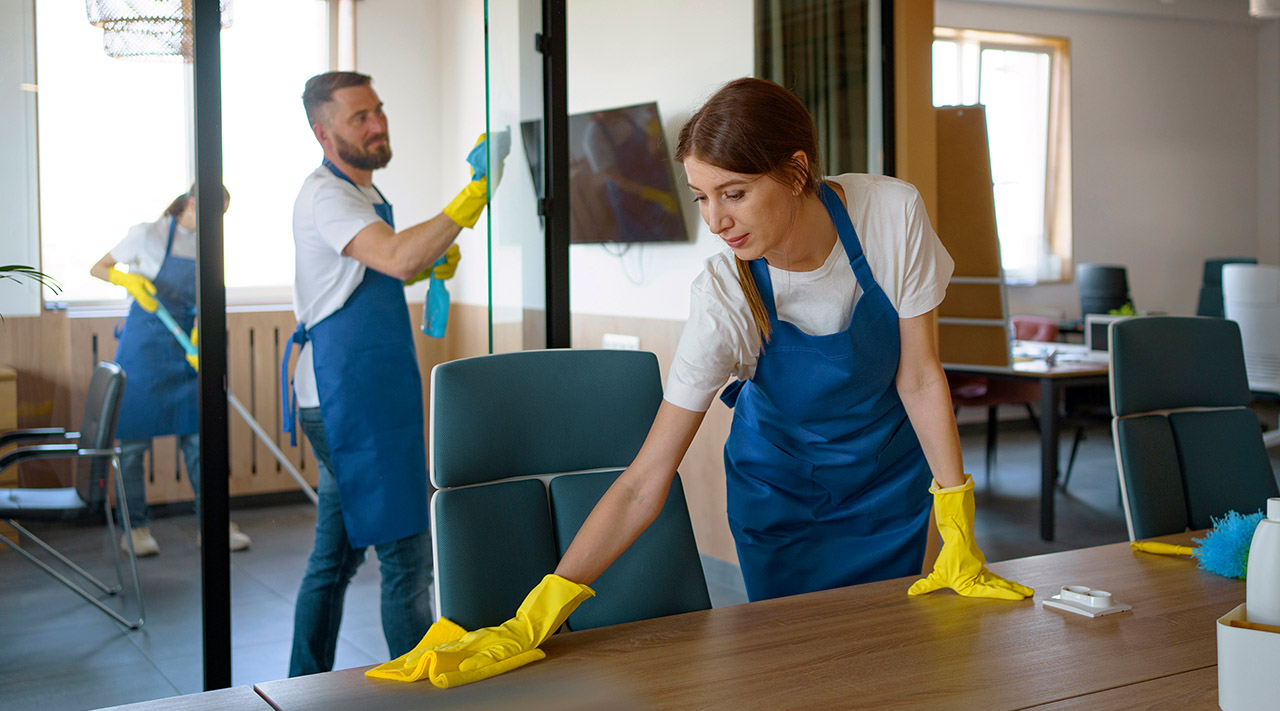
Managing a commercial facility means juggling countless responsibilities, and keeping spaces clean consistently ranks among the most demanding. Whether you oversee a bustling gym, a school campus, a healthcare clinic, a corporate office, or a hospitality property, you know that cleaning challenges don't wait for convenient moments. They tend to appear during peak hours, on short-staffed days, and just before important visits.
The stakes are high. According to IHRSA research, 90% of members say they are more likely to renew their membership if their facility is clean. A visibly dirty facility drives away members, tenants, patients, guests, and students. Poor hygiene protocols create health risks and potential liability issues. Inefficient cleaning processes can drain your budget while delivering inconsistent results.
The good news? These challenges are solvable. With the right systems, products, and strategies, you can transform cleaning from a constant headache into a streamlined operation that protects your facility's reputation and your bottom line.
Top Challenge 1: High-Traffic Areas That Get Dirty Too Fast
Entryways, lobbies, hallways, front desks, and workout floors see hundreds or thousands of people daily. No matter how thorough your morning cleaning routine, these areas look worn by midday. Dirt tracked in from outside, spills, fingerprints on glass, and general wear accumulate faster than scheduled cleaning can address.
Why It Happens
Traditional cleaning schedules are built around staff availability, not traffic patterns. The CDC recommends cleaning high-touch surfaces multiple times per day in high-traffic environments, yet many facilities still operate on once- or twice-daily cycles that don't match actual usage.
How to Solve It
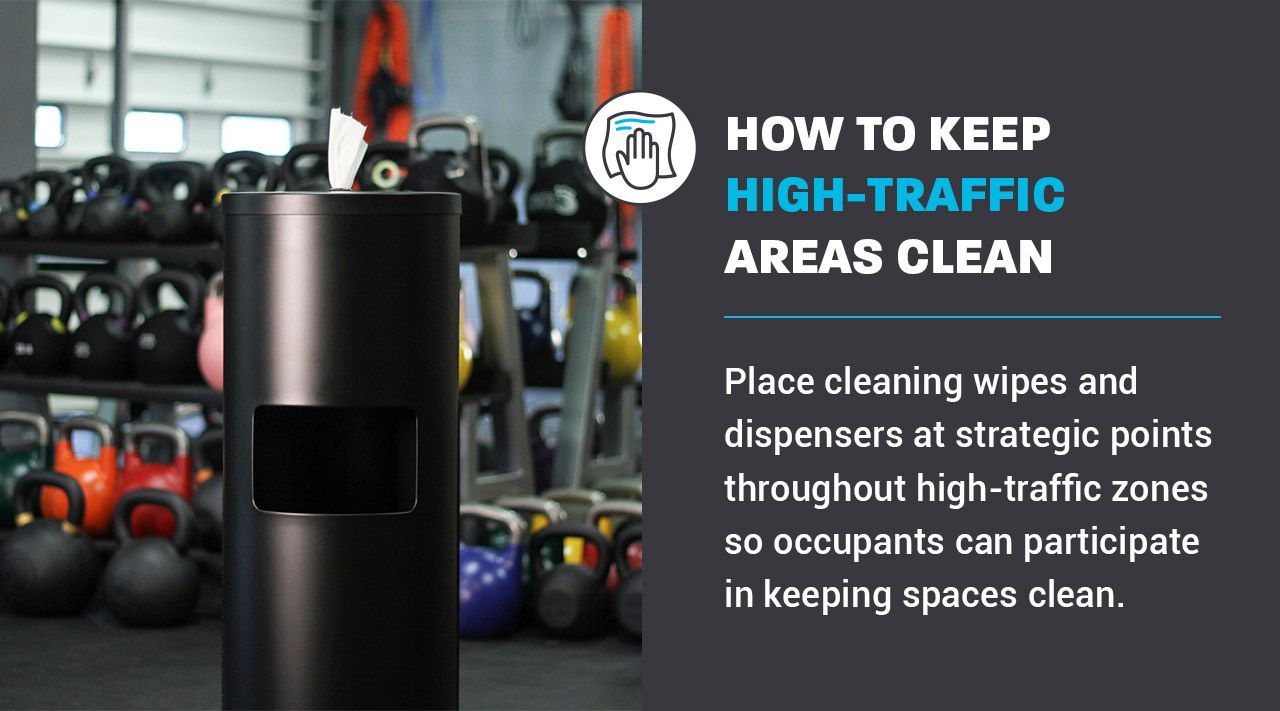
Shift from scheduled cleaning to continuous maintenance. Place cleaning wipes and dispensers at strategic points throughout high-traffic zones so occupants can participate in keeping spaces clean. For fitness facilities, position floor stand dispensers near cardio equipment, weight racks, and stretching areas. In office buildings, schools, and healthcare waiting rooms, place tabletop or wall-mounted dispensers near shared equipment, check-in counters, and common areas.
Invest in durable floor mats at every entrance—quality mats can capture up to 80% of incoming soil when properly sized and maintained. Inspect mats daily and clean or replace them based on traffic levels. Pair this with accessible commercial mops and floor care supplies for quick spot cleaning throughout the day.
Top Challenge 2: Inconsistent Cleaning Results Across Shifts and Staff
Monday's cleaning looks different from Friday's. The morning shift delivers different results than the evening crew. When you walk through your facility, some areas sparkle while others clearly lack attention. This inconsistency frustrates occupants, creates complaint patterns, and makes it nearly impossible to maintain standards.
Why It Happens
Staff turnover, varying skill levels, and unclear expectations all contribute. Without standardized procedures, each person interprets "clean" differently. Cross-contamination between areas is another common issue when staff use the same tools in multiple areas. Add in time pressure and understaffing, and quality suffers further.
How to Solve It
Develop and document cleaning protocols for every area and task. Specify which products to use, how to use them correctly (including proper dwell times for disinfectants), and what "complete" looks like. The CDC emphasizes that disinfectants must remain wet on surfaces for their full contact time to be effective—simply wiping a surface dry immediately doesn't achieve disinfection. Visual checklists posted in supply closets help staff stay on track.
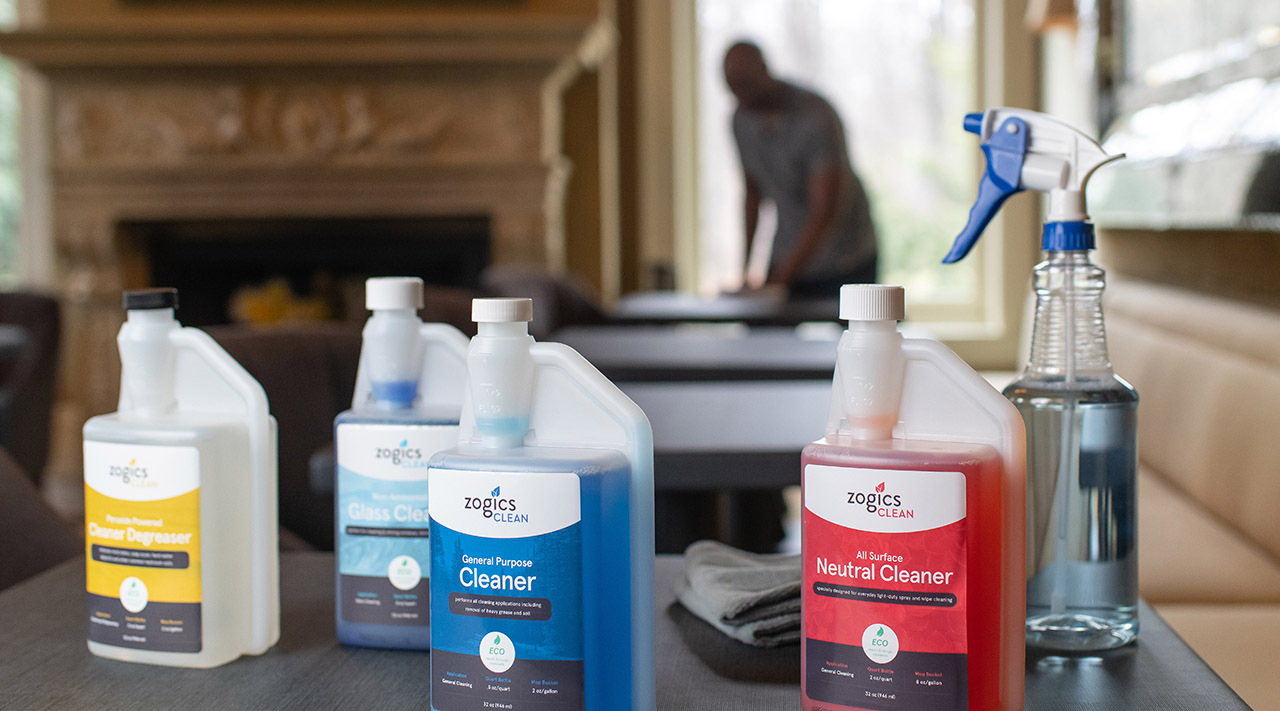
Standardize your product selection. When staff use the same commercial cleaning chemicals consistently, they learn proper techniques and deliver reliable results. Pre-portioned or ready-to-use products eliminate mixing errors and provide correct dilution every time. Consider implementing a color-coded system where different colored tools are designated for specific areas—this prevents cross-contamination and makes proper procedures immediately visible.
Empower occupants to contribute. In fitness settings, disinfecting wipes and visible signage encouraging members to wipe down equipment after use create a culture of shared responsibility while reducing the burden on cleaning staff.
Top Challenge 3: Balancing Effective Disinfection with Surface Protection
You need to kill germs effectively, but harsh chemicals can damage expensive equipment, discolor surfaces, and degrade materials over time. Gym equipment padding cracks, electronic screens streak, and rubberized surfaces become tacky or discolored. You're caught between protecting health and protecting your investment.
Why It Happens
Many facilities use household disinfectants or bleach-based cleaners without considering surface compatibility. The CDC recommends matching disinfectants to specific surface types and following manufacturer guidelines for both the cleaning product and the equipment being cleaned. Staff may also use products incorrectly, leaving too much residue or applying chemicals meant for hard surfaces onto sensitive materials.
How to Solve It
Choose products formulated for your environment. Gym wipes designed for fitness equipment are safe on vinyl, rubber, steel, and electronic touchscreens while killing 99.9% of bacteria. They're bleach-free, alcohol-free, and non-corrosive, protecting equipment longevity while maintaining hygiene.
Create surface-specific guidance for your staff. Electronics require different care than rubber flooring; stainless steel needs different products than upholstered furniture. For floors, use surface-specific cleaners: rubber floor cleaners are formulated to clean without degrading the material, while tile and grout cleaners tackle buildup without damaging surfaces.
Make sure staff have access to appropriate PPE (gloves, eye protection when using concentrated products) and use dilution control systems to prevent improper mixing.
Top Challenge 4: Controlling Supply Costs and Preventing Stockouts
Cleaning supplies represent a significant ongoing expense. Running out mid-week disrupts operations and forces expensive emergency orders. Overstocking ties up budget and storage space. Price fluctuations and reactive ordering make budgeting unpredictable.
Why It Happens
Most facilities order reactively rather than strategically. Without usage tracking, it's difficult to predict needs accurately. Multiple people placing orders leads to duplication or gaps. And purchasing from multiple vendors at retail prices inflates costs unnecessarily.
How to Solve It
Establish par levels for essential supplies—the minimum quantity that triggers a reorder. Track usage over 2-3 months to establish baseline consumption, then set par levels that account for seasonal variations and special events. A simple spreadsheet can help you forecast needs and prevent both stockouts and overstocking. For a complete system, see our guide on mastering wipe and liner reordering.
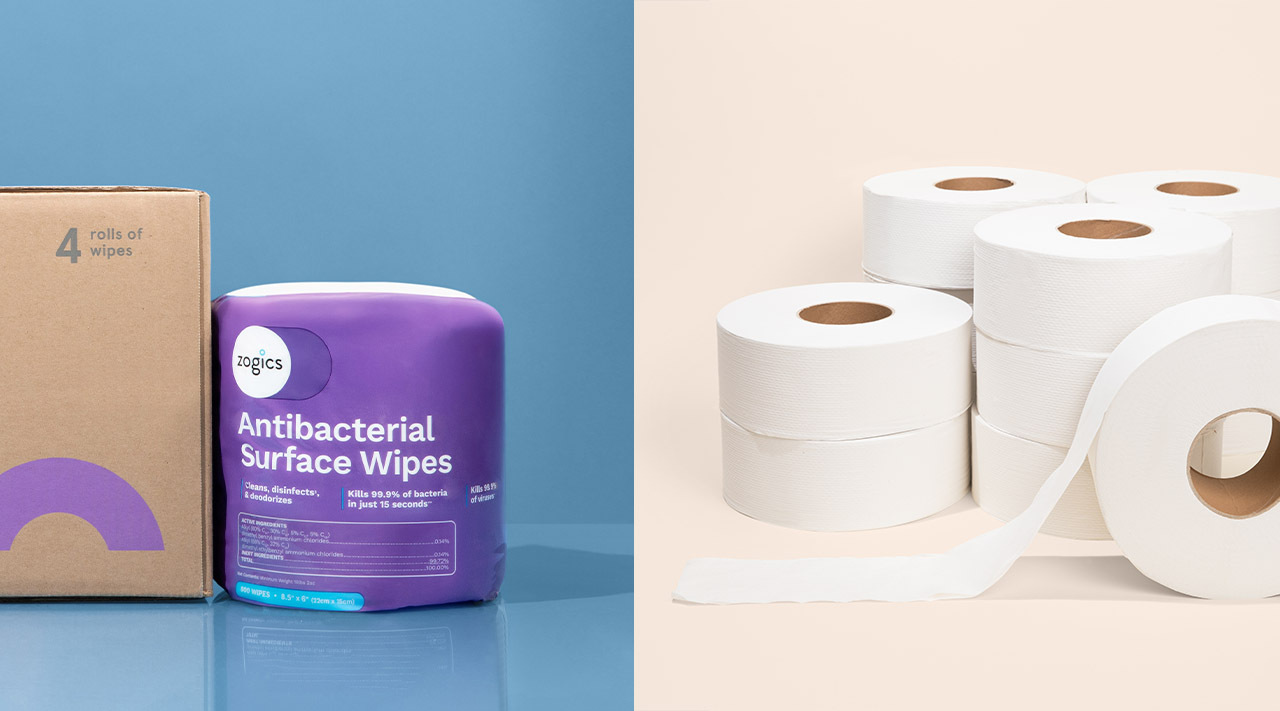
Consolidate purchasing with a reliable supplier who understands commercial facility needs. Buying commercial cleaning supplies in bulk reduces per-unit costs significantly. Products like wipes, trash liners, paper towels, and toilet paper are used continuously and benefit from bulk pricing.
Consider autoship programs that deliver supplies on a predictable schedule based on your facility's actual usage patterns. This eliminates emergency orders, prevents stockouts, and smooths out budget planning. Designate one person to manage ordering to prevent duplication and maintain oversight.
Top Challenge 5: Meeting Health and Safety Compliance Requirements
Regulatory requirements and occupant expectations around cleanliness have intensified across all facility types. Demonstrating proper hygiene practices isn't optional—but requirements vary significantly by industry.
Why It Happens
Standards evolve constantly, and keeping up requires ongoing attention. Healthcare facilities follow CDC and APIC infection control guidelines with strict protocols. Schools reference different CDC guidance. General commercial spaces must meet OSHA requirements for workplace safety. Staff often don't understand the difference between cleaning, sanitizing, and disinfecting or the critical importance of dwell time.
How to Solve It
Identify which guidelines apply to your specific facility type. Use products with appropriate certifications and maintain Safety Data Sheets (SDS) for all products, and keep them where staff can access them easily.
Train staff on proper techniques. Disinfection requires adequate contact time (dwell time), which varies by product—typically ranging from 30 seconds to 10 minutes. Create simple reference cards showing correct procedures for each product. Implement cleaning logs for high-risk areas like restrooms, food service areas, and shared equipment to demonstrate due diligence and identify coverage gaps.
Top Challenge 6: Tackling Persistent Odors in Locker Rooms and Restrooms
Few things drive people away faster than bad smells. Locker rooms with that unmistakable musty odor and restrooms that reek despite recent cleaning signal neglect—even when surfaces are technically clean. Odors linger, and masking them with air fresheners often makes things worse.
Why It Happens
Odors originate from bacteria thriving in hidden spaces: floor drains, grout lines, locker interiors, and poorly ventilated corners. Surface cleaning addresses visible dirt but doesn't reach these bacterial colonies or the biofilm they create. High humidity creates ideal conditions for odor-causing microbes, and poor air exchange compounds the problem.
How to Solve It
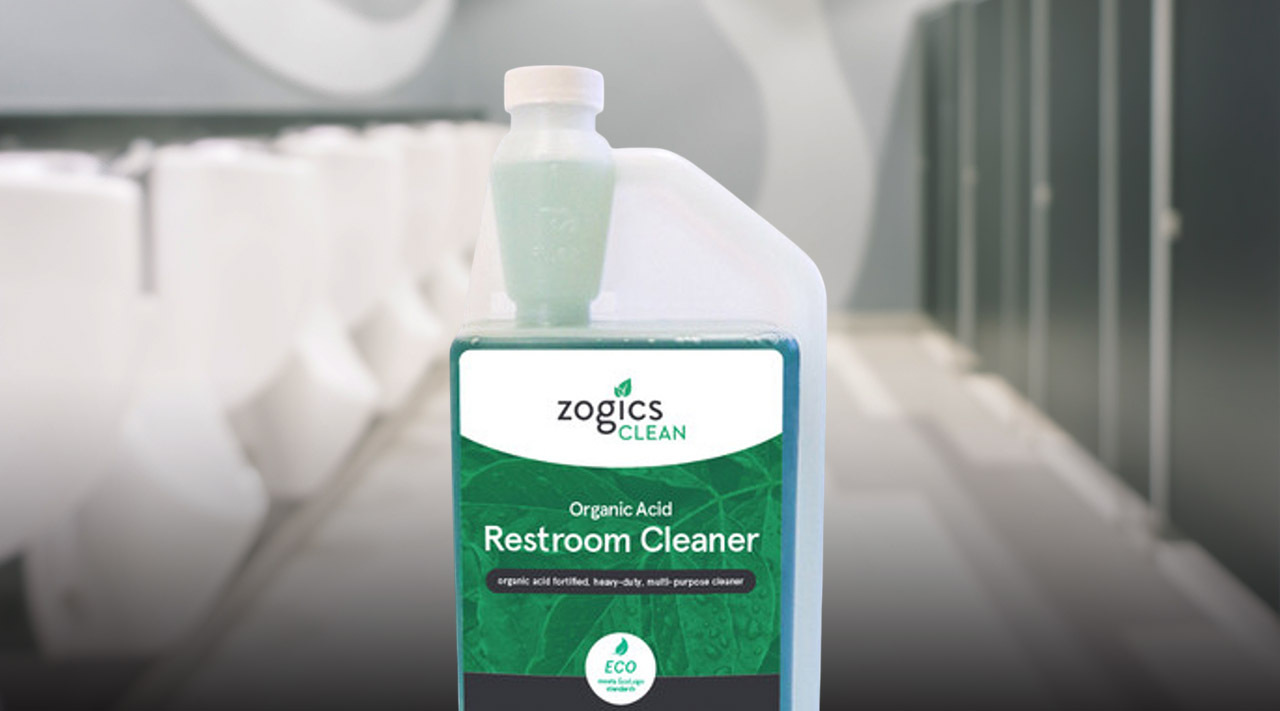
Attack odors at the source rather than covering them up. Use enzymatic bathroom cleaners that break down organic matter and biofilm, causing smells. Pay special attention to drains, grout, and areas around toilets and urinals where urine odors concentrate. For a comprehensive approach, our guide on locker room odor control covers fast-dry disinfectants, air care, and zone-specific treatments.
Address ventilation as a core component of your odor strategy. Check that exhaust fans function properly and run during and after peak usage. Consider air purifiers for spaces with persistent issues.
Implement strategic odor control products: urinal screens with odor-neutralizing technology, commercial air fresheners, and hand dryers that reduce wet paper towel buildup in trash cans.
Top Challenge 7: Maintaining Floors Across Different Surface Types
Commercial facilities often have multiple floor types: rubber in weight rooms, tile in restrooms, carpet in offices, hardwood in studios, VCT in hallways, and concrete in service areas. Each surface has different care requirements, and using the wrong products causes damage, safety hazards, or unsightly appearances.
Why It Happens
Staff often use a one-size-fits-all approach, applying the same cleaner everywhere. This can leave residue on rubber floors (creating slipping hazards), damage hardwood finishes, or fail to sanitize tile and grout properly. Without clear guidance, even well-intentioned cleaning efforts cause problems.
How to Solve It
Create a flooring matrix that maps each floor type in your facility to its required cleaning products, techniques, and schedule. Stock surface-appropriate floor cleaning chemicals and label them clearly. Rubber sport flooring cleaner removes sweat and dirt without leaving residue, while tile cleaners penetrate grout effectively.
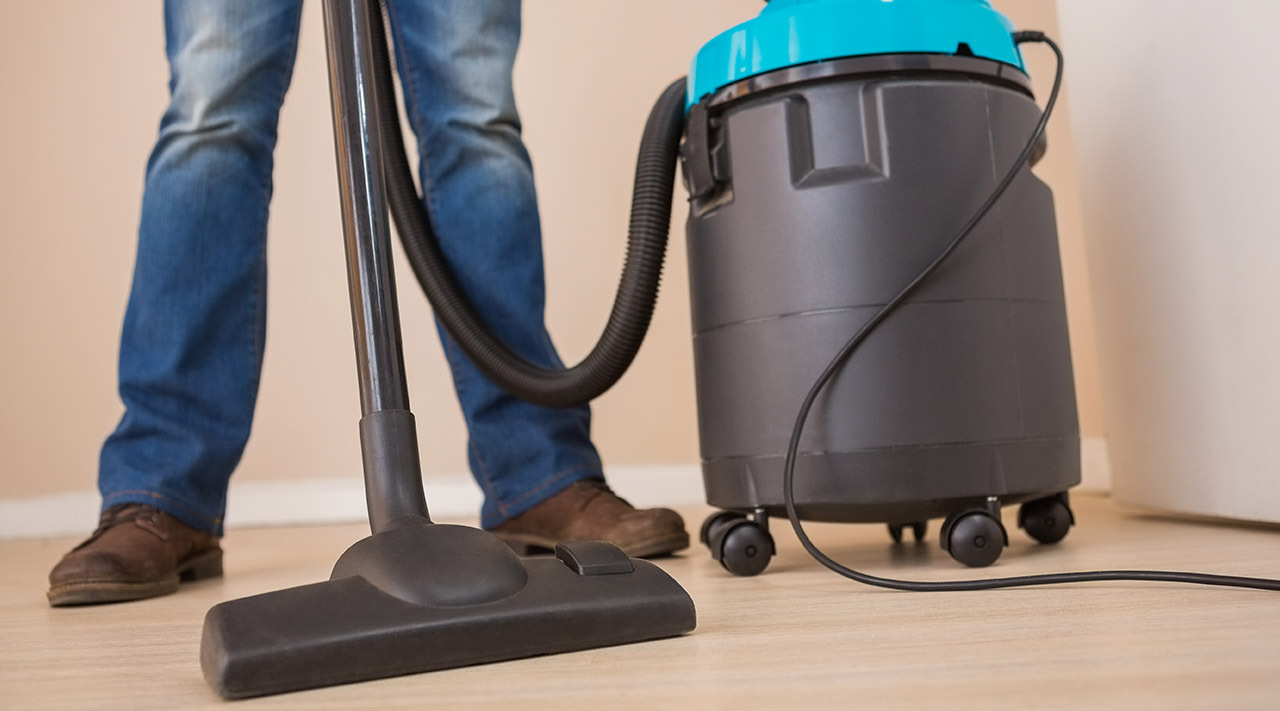
Establish daily maintenance and periodic deep cleaning schedules appropriate to each surface. High-traffic rubber floors may need daily damp mopping and weekly deep cleaning. Carpeted areas benefit from daily vacuuming and periodic extraction. Document slip-resistance requirements and check that floor finishes maintain appropriate traction levels.
For larger facilities, invest in appropriate floor cleaning machines. Auto scrubbers handle large areas efficiently while ensuring consistent results and saving significant labor time compared to manual mopping.
Pro Tips: Building a Proactive Cleaning System
The facilities that excel at cleanliness share a common trait: they've moved from reactive cleaning to proactive systems. Here's how to make that shift:
Audit your facility weekly with fresh eyes. Walk every space as if you're a first-time visitor. Note what looks worn, what smells off, and where complaints cluster. This simple practice catches problems before they escalate.
Make cleaning visible to occupants. Strategic placement of wipe dispensers signals an ongoing commitment to cleanliness. When members and guests see readily available supplies, confidence in your facility increases.
Document everything. Training protocols, cleaning schedules, inspection checklists, and maintenance logs serve multiple purposes: consistency, accountability, compliance documentation, and continuous improvement data.
Invest in quality over price. Cheap dispensers break. Thin trash liners tear. Low-quality mops fall apart. Commercial-grade products designed for heavy use cost more upfront but save money and frustration over time.
Stock restrooms for peak capacity. Nothing frustrates guests more than empty dispensers. High-capacity paper towel dispensers and toilet paper holders reduce refill frequency and prevent mid-day stockouts.
Build partnerships, not just purchase orders. Work with suppliers like Zogics who understand commercial facility operations. They can recommend products suited to your specific challenges, offer training resources, and provide a consistent supply without the hassle of managing multiple vendors.
From Challenges to Solutions
Every cleaning challenge has a practical solution. High-traffic areas stay cleaner when occupants participate. Consistency improves with standardized products and documented protocols. Surfaces last longer with compatible cleaners. Costs decrease with strategic purchasing. Compliance becomes straightforward with the right products and training. Odors disappear when you address root causes. And floors stay pristine when you match care to surface type.
The common thread? Moving from reactive to proactive. When you have the right products in the right places, clear protocols for staff, and reliable supply chains, cleaning becomes a manageable part of operations rather than a constant struggle.
Zogics has partnered with gyms, schools, healthcare facilities, hospitality properties, and commercial buildings for nearly two decades. We understand the challenges you face because we've helped thousands of facility managers solve them. From wipes and dispensers to comprehensive cleaning supplies, we offer the products and expertise to help your facility maintain the highest standards efficiently and affordably.
Ready to solve your facility's cleaning challenges?
Explore our full range of commercial cleaning solutions, or reach out to our team for personalized recommendations based on your facility's unique needs. We're here to help you create cleaner, safer, more welcoming spaces.