




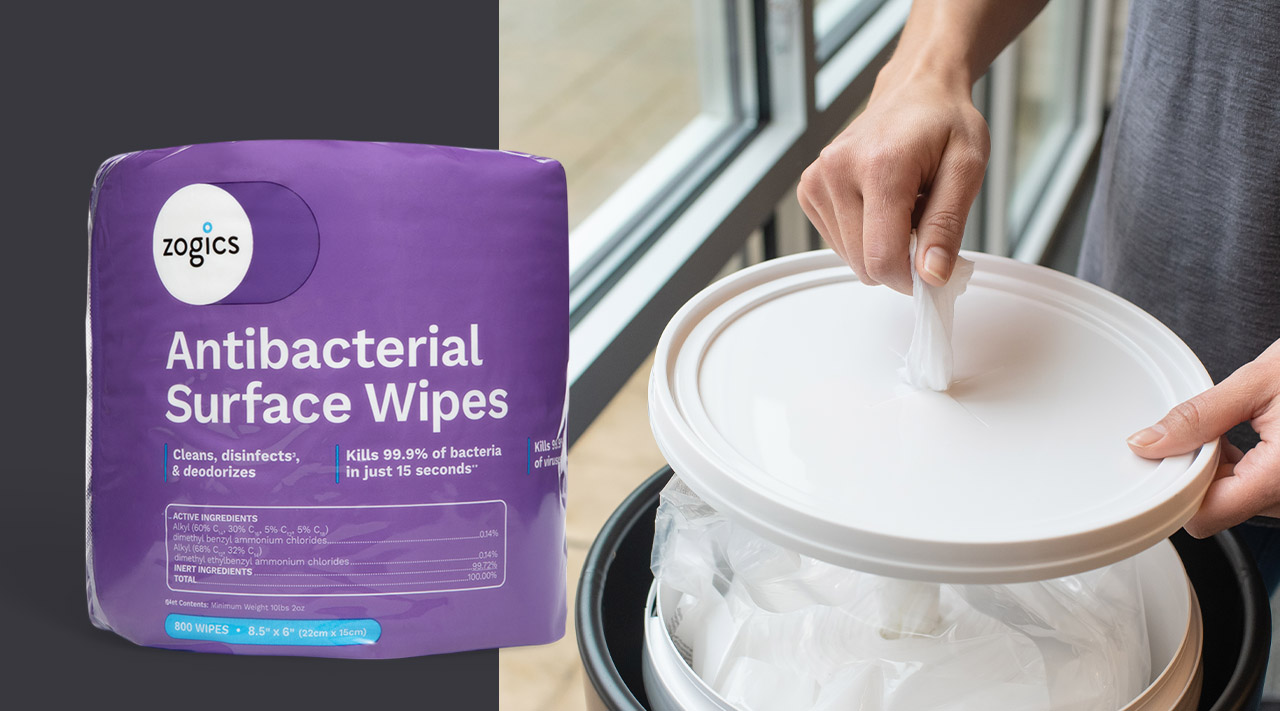
Nothing kills cleaning efficiency faster than wrestling with a gym wipe dispenser that spits out five wipes when you need one or worse, refuses to release any at all. If your facility deals with wasted product, frustrated staff, and members leaving wipe clumps everywhere, you're not alone. The multi-pull problem costs facilities thousands in wasted supplies annually, and it's almost always preventable.
Here's the truth: that annoying wipe-grabbing issue isn't just about the wipes themselves. It's about matching the right dispenser to your gym wipes refills, understanding moisture levels, and knowing a few insider tricks that can transform your dispensers from supply-wasters into smooth-operating workhorses.
Why Gym Wipe Dispensers Pull Multiple Wipes (And Why It Matters)
Before diving into solutions, let's understand what's actually happening when your dispenser turns into a wipe-dispensing monster.
The Physics Behind Multi-Pulls
When wipes stick together, it's usually due to:
• Over-saturation: Too much solution creates adhesion between sheets
• Static buildup: Dry environments cause wipes to cling together
• Poor perforation: Cheap wipes don't separate cleanly
• Dispenser design mismatch: Wrong aperture size for your wipe type
• Roll compression: Overstuffed dispensers crush wipes together
The Real Cost of Multi-Pull Waste
That handful of extra wipes might seem minor, but the numbers add up fast. Consider a busy mid-size facility:
• 10 dispensers pulling 2 extra wipes per use
• 50 uses per dispenser daily
• That's 1,000 wasted wipes per day—or 365,000 annually
At roughly 2 cents per wipe, this can total over $7,000 annually in a busy mid-size facility. That's new equipment money disappearing into trash bins. Not sure how many wipes your facility should be ordering in the first place? Check out our guide on how many wipes your gym needs.
Gym Wipe Dispenser Types: Which One Solves Your Problem?
Not all gym wipe dispensers are created equal. The secret to preventing multi-pulls starts with choosing the right dispenser design for your facility's specific needs—whether that's a stainless steel wipe dispenser for durability or a plastic model for budget-consciousness.
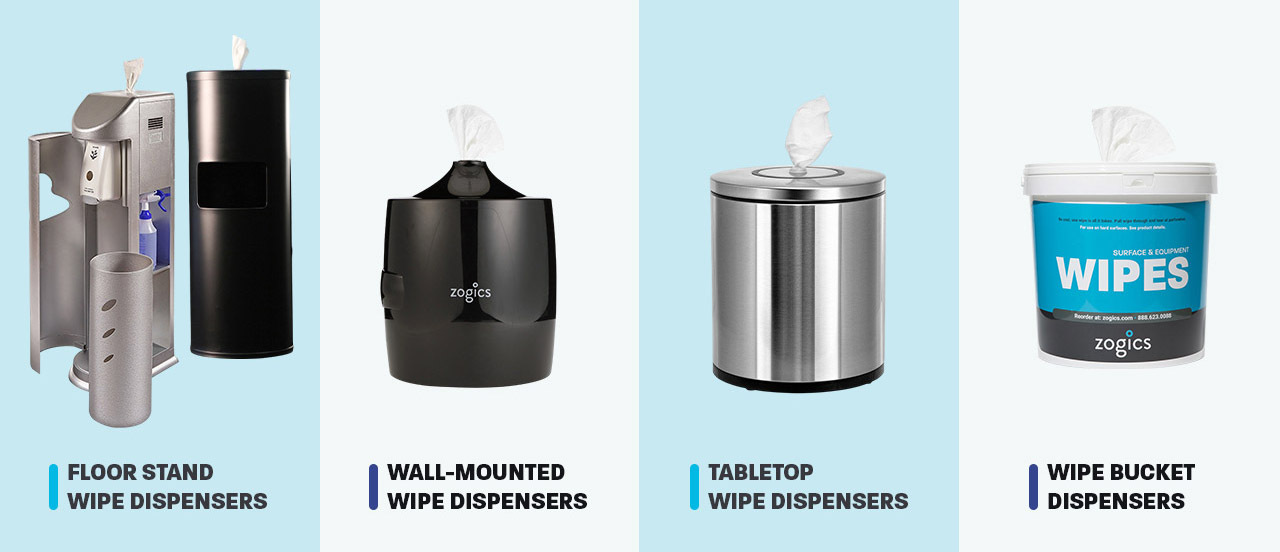
1. Floor Stand Wipe Dispensers
How They Work: Freestanding units that position wipes at a convenient height for easy access, meeting ADA accessibility guidelines when placed correctly.
Available Options:
• Stainless Steel Floor Stand Dispensers: Premium durability, resists rust and corrosion, ideal for high-end facilities
• The Cleaning Station: Cost-effective, lightweight, perfect for budget-conscious gyms
Multi-Pull Prevention:
• Height reduces awkward pulling angles
• Larger internal space prevents compression
• Some models include tension plates
• Stainless steel models maintain a consistent aperture shape longer
Best For: Entrances, open floor spaces, between equipment clusters, pool areas (stainless steel recommended for moisture resistance).
Field Experience: Many facilities report that stainless steel floor stand dispensers maintain their shape better over time, especially in high-moisture environments where plastic may warp.
Browse Zogics floor stand wipe dispensers for maximum flexibility
2. Wall-Mounted Wipe Dispensers
How They Work: Secure, space-saving units that attach directly to walls. Per ADA guidelines, mount between 15-48 inches from the floor for accessibility compliance.
Available Options:
• Stainless Steel Wall-Mounted Dispensers: Professional appearance, maximum durability
• Plastic Wall-Mounted Dispensers: Economical choice for lower-traffic areas
Multi-Pull Prevention:
• Fixed mounting eliminates movement that causes bunching
• Consistent pull angle reduces waste
• Protected aperture design controls dispensing
Best For: Weight rooms, locker rooms, beside cardio equipment, anywhere floor space is premium.
Installation Tip: Mount at elbow height (42-48 inches) to prevent downward yanking that can cause multiple pulls. Stainless steel models typically handle constant use better in high-traffic zones.
Explore wall-mounted wipe dispenser options
3. Tabletop Wipe Dispensers
How They Work: Compact units designed for desks, counters, and reception areas.
Multi-Pull Prevention:
• Smaller aperture naturally limits multi-pulls
• Lower capacity means less weight/compression
• Optimal wipe-to-opening ratio
Best For: Reception desks, personal training areas, office spaces, member service counters.
Smart Move: Place these at check-in to establish your cleanliness standard from the moment members arrive.
4. Refillable Wipe Bucket Dispensers
How They Work: Portable dispenser options featuring a simple bucket design with a protective lid.
Multi-Pull Prevention:
• Star-cut or X-cut lid opening grabs individual wipes
• Gravity helps separate sheets
• No compression from enclosed sides
Best For: Outdoor training areas, mobile cleaning stations, backup supply points.
The Fix: If you're getting multi-pulls with refillable buckets, try the "twist technique"—rotate each new roll 90 degrees before loading. This breaks up the adhesion pattern.
Matching Zogics Wipes to Your Dispensers
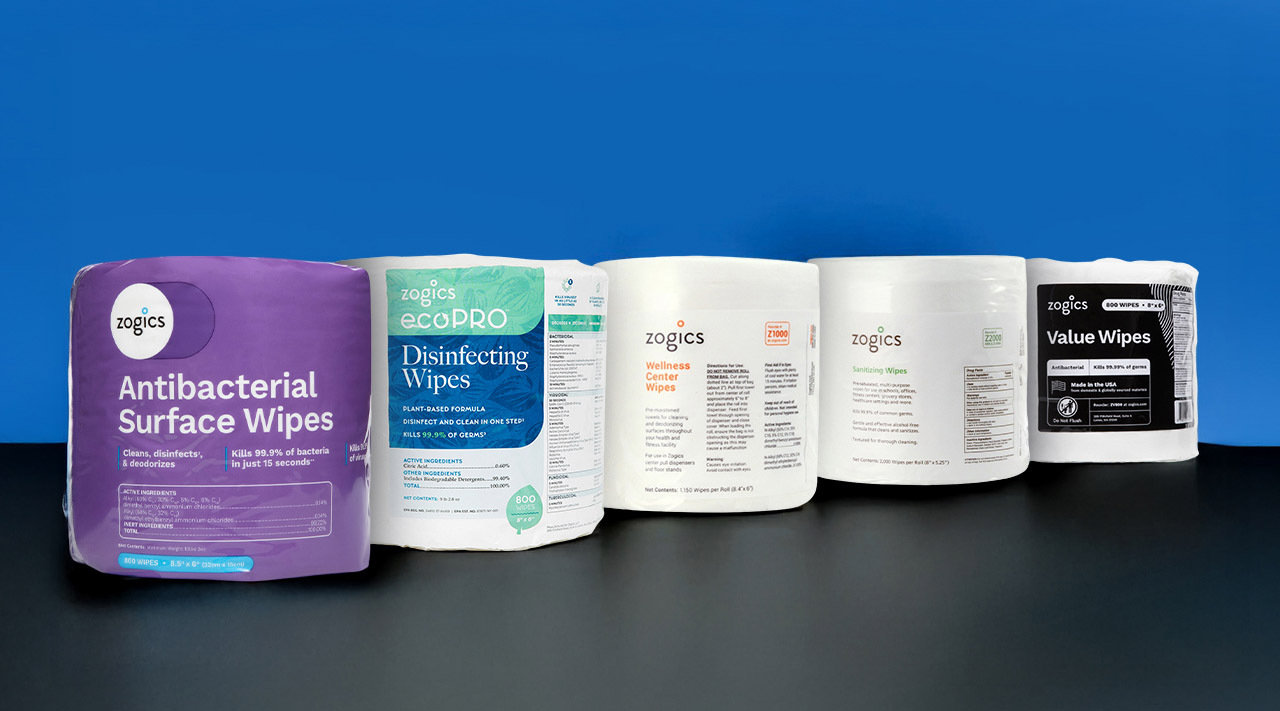
Your wipe selection has a significant impact on dispensing performance. Here's how to pair Zogics' four main refill categories with the right dispenser:
(Add buy buttons for each*)
Antibacterial Gym Wipes
• Saturation Level: Heavy (EPA-registered to kill 99.9% of bacteria)
• Best Dispensers: Floor stand dispensers with larger apertures, upward-facing wall-mounted dispensers
• Why: Higher moisture content needs more clearance to prevent clumping
• Pro Tip: Stainless steel dispensers often handle the extra moisture better than plastic
Wellness Center Wipes
• Saturation Level: Light to medium
• Best Dispensers: Any dispenser type—these are the most versatile
• Why: Balanced moisture and superior perforation work everywhere
• Bonus: Largest roll count (1,150 wipes) means fewer refills
Value Wipes
• Saturation Level: Medium
• Best Dispensers: Wall mounted or floor stand with standard apertures
• Why: Economical perforation may need slightly larger openings
• Trick: Pre-fan the first 10 wipes when loading to ensure smooth dispensing
EcoPro Plant-Based Wipes
• Saturation Level: Medium
• Best Dispensers: All types—cloth-like texture separates beautifully
• Why: Biodegradable material has natural anti-cling properties
• Sustainability Win: Works perfectly in any dispenser while being eco-friendly
Refill Tricks That Actually Work
Even the best stainless steel wipe dispenser can't overcome poor refilling technique. These field-tested tricks can significantly reduce your multi-pull problems.
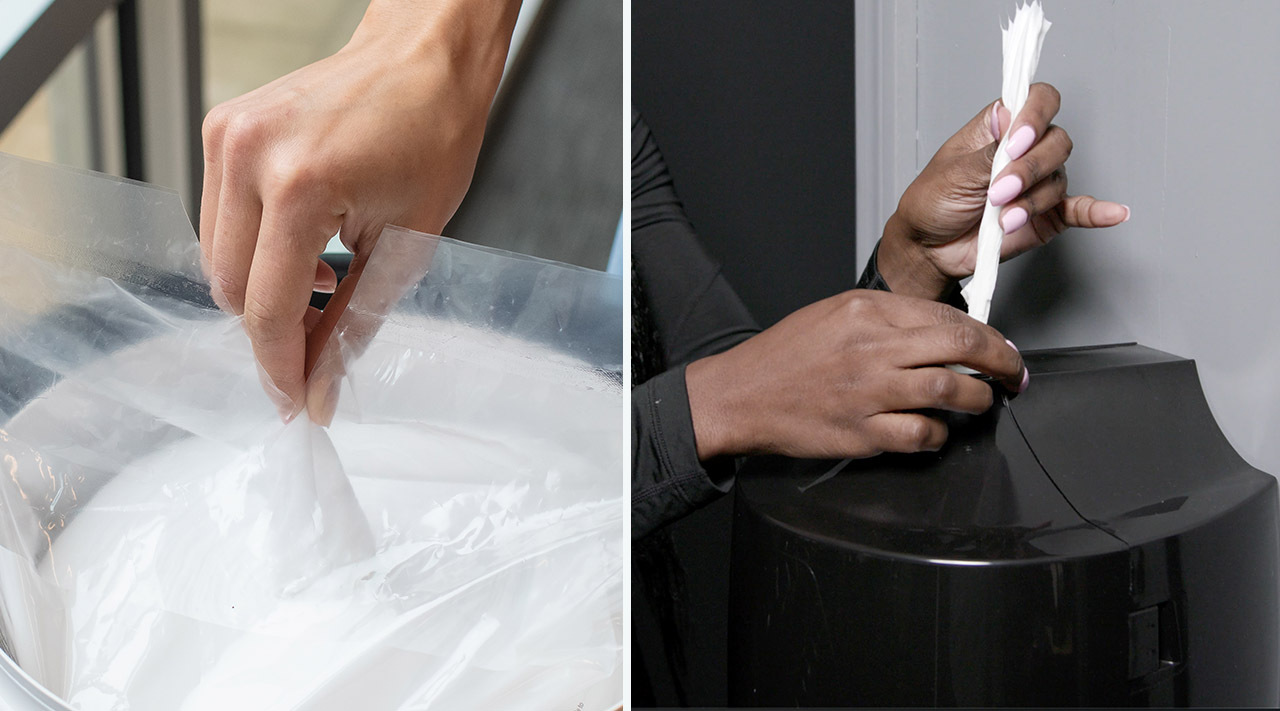
Installing Wipes into the Dispenser
1. Keep wipes in bag: Do not remove wipes from the bag or they’ll dry out and you’ll be bummed. Just cut a 1"–2" opening in the center of the bag.*
2. Pull from center: Always start by pulling the first wipe out from the center of the roll, never the outside. Note that one side is already started, so pull from that side.*
3. Adjust dispenser: Adjust the tension of your wall dispenser as needed; in most cases this is just when you first install your dispenser.
This simple trick can significantly reduce multi-pulls, often by 30-40% based on field experience in both plastic and stainless steel dispensers.
Moisture Management Mastery
Too Wet? (Common with antibacterial gym wipes)
• Store rolls upright for 24 hours before use
• Excess solution drains to the bottom
• First few wipes might be drier, but the rest dispense perfectly
• Many facilities find stainless steel dispensers handle excess moisture better than plastic
Too Dry? (Happens in heated facilities)
• Properly store at room temperature
• Keep wipes in the bag as directed
• Replace dried-out rolls rather than trying to revive them
The Perforation Prep
For value wipes or any rolls with lighter perforations:
1. Before loading, gently fan the first 10 wipes
2. Create slight separation between sheets
3. This "pre-breaks" the adhesion without tearing
Loading Sequence for Zero Waste
Follow this exact sequence every time:
1. Clean the dispenser - Use Zogics cleaning supplies to remove residue
2. Check the opening - Replace if damaged (especially important for plastic models)
3. Thread properly - Never force the first wipe through
4. Test pull - Do three test pulls before walking away
5. Adjust if needed - Better to fix it now than waste wipes later
Troubleshooting Common Scenarios
Scenario 1: "Morning Clumps"
Problem: First users of the day pull out wipe wads.
Solution: This is common in humid facilities where overnight moisture accumulation occurs. Switch to enclosed wall-mounted dispensers or stainless steel models that typically resist humidity better.
Scenario 2: "The Afternoon Jam"
Problem: Dispensers work fine until peak hours.
Solution: High humidity from multiple users. Consider upgrading to stainless steel floor stand dispensers that maintain shape under stress better than plastic alternatives.
Scenario 3: "The Stubborn Dispenser"
Problem: One specific unit always multi-pulls.
Solution: Check for damage—bent apertures (common in plastic), missing gaskets, or interior residue. Stainless steel replacements often solve chronic issues in high-use areas.
Scenario 4: "Seasonal Sticking"
Problem: Issues worsen in winter or summer.
Solution: Temperature extremes affect wipe moisture. Store backup rolls at room temperature and consider stainless steel dispensers for better temperature stability.

Creating a Dispenser Maintenance Protocol
Prevent problems before they start with this monthly routine using Zogics facility cleaning products. Following ISSA cleaning standards for touch-point sanitation:
Weekly Quick Check:
• Test each dispenser's pull action
• Note any resistance or multi-pulling
• Wipe exterior with appropriate cleaners
Monthly Deep Clean:
• Remove all wipes
• Clean the interior thoroughly
• Inspect openings (plastic may show wear faster)
Quarterly Evaluation:
• Track waste levels by dispenser type
• Compare plastic vs. stainless steel performance
• Consider upgrades where needed
• Review wipe/dispenser compatibility
Smart Placement Strategies That Reduce Waste
Where you place your floor stand and wall-mounted dispensers affects usage:
High-Success Locations:
• 6 feet from equipment (not directly adjacent)
• Eye level for wall-mounted units (following ADA guidelines)
• Visible placement for floor stand dispensers
• Away from HVAC vents
Problem Zones to Avoid:
• Direct sunlight (even stainless steel gets hot)
• Near doors (temperature fluctuations)
• Hidden corners (leads to grabbing extra)
• Too high on walls (creates a bad pull angle)
When to Upgrade Your Dispensers
Sometimes, the most cost-effective solution is replacement. Consider upgrading to stainless steel wipe dispensers when:
• Waste exceeds 20% of your wipe budget
• Plastic dispensers show visible wear
• Staff spends 30+ minutes weekly clearing jams
• Members frequently complain
• Repair costs approach 50% of the replacement price
Modern stainless steel dispensers often pay for themselves through waste reduction and longevity within 6-12 months, particularly in high-traffic facilities.
Making the Business Case for Better Dispensers
Need to convince decision-makers? Here's your ammunition:
Current State Analysis:
• Count wasted wipes from multi-pulls
• Calculate your facility's specific waste cost
• Add labor for maintenance
• Factor in member complaints
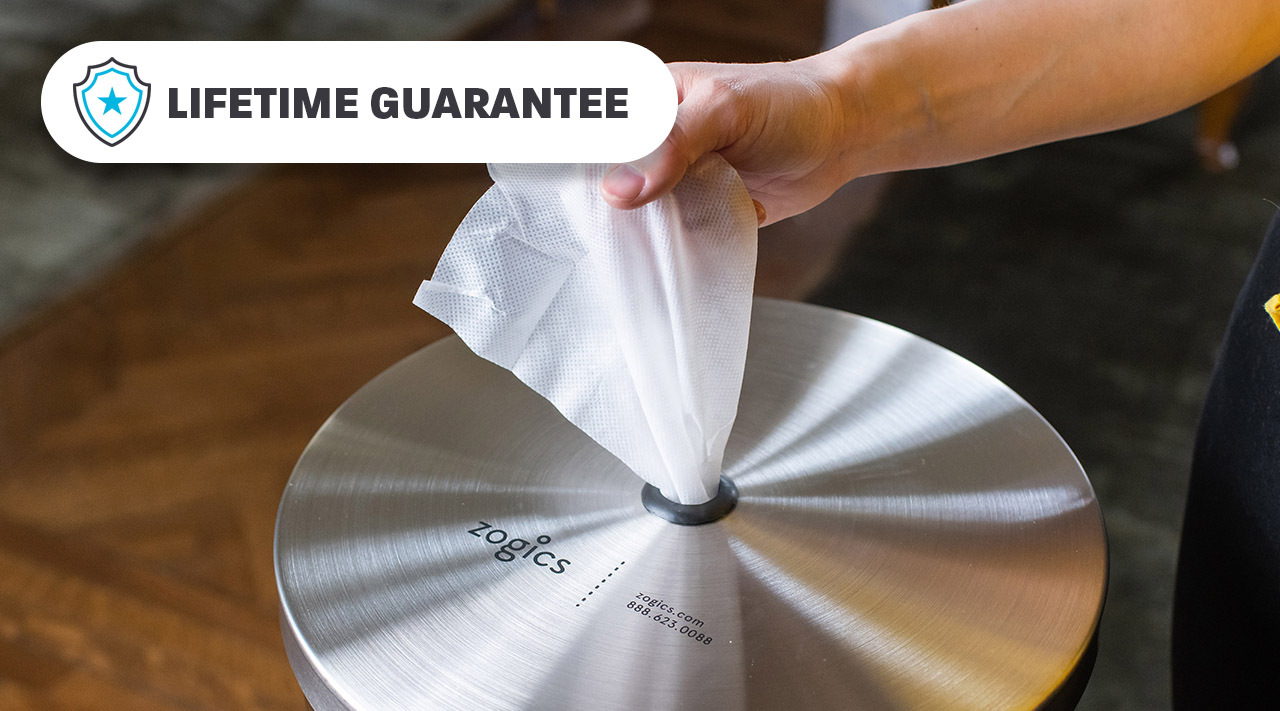
Stainless Steel ROI:
• Typically lasts up to 3x longer than plastic in high-traffic or high-moisture environments
• Many facilities report up to 50% reduction in waste when switching to stainless steel dispensers
• Professional appearance boosts member perception
• Less maintenance = more staff productivity
The Bottom Line
Multi-pull waste isn't just an annoyance—it's a profit drain that's entirely preventable. The right combination of gym wipe dispensers, proper refill techniques, and quality wipes can significantly reduce your supply waste while improving the user experience.
Start with one problem area. Test a stainless steel floor stand dispenser or wall wall-mounted unit. Apply these techniques. Track the improvement. Then expand successful strategies facility-wide.
Ready to upgrade your wipe dispensing system? Explore Zogics' complete selection:
• Wall-Mounted Wipe Dispensers
Because the only thing that should be working out in your facility is your members—not your staff fighting with dispensers.
Quick Reference Guide
For Multi-Pull Prevention:
• Choose stainless steel dispensers for durability
• Quarter-turn rolls before loading
• Match wipe saturation to dispenser type
• Clean dispensers monthly following ISSA standards
• Upgrade plastic units showing wear
For Different Facility Areas:
• Gym Floor: Stainless steel floor stand with antibacterial gym wipes
• Pool Area: Stainless steel wall-mounted units (rust-resistant)
• Locker Rooms: Wall-mounted dispensers with Wellness Center Wipes
• Reception: Tabletop dispensers with EcoPro wipes
For Immediate Improvement:
1. Audit current dispenser performance
2. Test stainless steel in problem areas
3. Apply the quarter-turn method today
4. Schedule monthly maintenance
5. Track improvement over 30 days
6. Review your complete equipment cleaning protocol using our gym equipment cleaning guide
Remember: Every wipe saved is money earned. Small improvements in dispensing efficiency create significant savings over time—savings you can reinvest in what really matters: creating an exceptional experience for your members.
Frequently Asked Questions (FAQs)
Multi-pulls happen due to over-saturation of wipes, static buildup in dry environments, poor perforation quality, or mismatched dispenser aperture sizes. The most common cause is using heavily saturated antibacterial wipes in dispensers with small openings. Switching to a stainless steel floor stand dispenser with a larger aperture typically solves this issue immediately.
Stainless steel floor stand dispensers and wall-mounted dispensers offer the best multi-pull prevention. Stainless steel models maintain their aperture shape better than plastic, reducing waste by up to 50%. For heavily saturated antibacterial gym wipes, floor stand models with adjustable openings work best.
Quick weekly wipe-downs of the exterior and opening, with monthly deep cleaning of the interior using Zogics cleaning supplies. Stainless steel dispensers can handle stronger cleaners and typically need less frequent deep cleaning than plastic models due to their non-porous surface.
While most wipes work in most dispensers, matching is important. Heavy-saturation antibacterial wipes need larger apertures (floor stand dispensers), while lighter Wellness Center Wipes work in any dispenser type. Value wipes may need pre-fanning in tighter dispensers.
Remove wipes from packaging, let them breathe for 30 seconds, rotate the roll one-quarter turn, then load with perforations perpendicular to the pull direction. This simple trick reduces multi-pulls by 40% and works in both plastic and stainless steel dispensers.
Stainless steel wipe dispensers last 3x longer, maintain aperture shape better (preventing multi-pulls), resist rust and corrosion in humid environments, handle temperature changes without warping, and provide a premium appearance that members notice. The higher upfront cost pays for itself within 6–12 months through reduced waste.
A typical gym with 10 dispensers pulling 2 extra wipes per use (50 uses daily per dispenser) wastes about $7,300 annually. Proper dispenser selection and loading techniques can cut waste by 50%, saving $3,650 per year—enough to upgrade all your dispensers to stainless steel models.
Overnight moisture accumulation causes wipes to stick together. Solutions include switching to enclosed wall mounted dispensers, using stainless steel models that resist humidity better, or implementing a morning “priming” routine where staff pull and discard the first wipe.
Both work well with proper dispensers. Center-pull naturally controls dispensing speed but requires specific dispenser types. Regular rolls offer more flexibility and work in floor stand, wall-mounted, and refill bucket dispensers. Choose based on your existing dispenser infrastructure.
Replace when waste exceeds 20% of your wipe budget, repair costs approach 50% of new unit price, plastic shows visible cracks or warping, or staff spends over 30 minutes weekly clearing jams. Upgrading to stainless steel often eliminates recurring problems permanently.
Mount at elbow height (42–48 inches from floor) to prevent awkward downward yanking that causes multi-pulls. This height works for most users and ADA compliance. For children's areas, mount a second unit at 36 inches.
Yes. Cold makes wipes dry and prone to static (causing clumping), while heat increases moisture and adhesion. Store refills at room temperature and consider stainless steel dispensers in areas with temperature fluctuations—they maintain consistent performance better than plastic.
Strategic placement 6 feet from equipment (not directly adjacent), visible dispensers that feel monitored, consistent wipe availability (empty dispensers encourage hoarding), and signage reminding users that one wipe is sufficient. Tabletop dispensers at reception also set usage expectations.
Antibacterial gym wipes are heavily saturated to kill 99.9% of bacteria—best in floor stand dispensers with larger openings. Sanitizing wipes like Wellness Center Wipes have lighter saturation and work in any dispenser type. Match the saturation level to your dispenser's aperture size.
Place a marked container under each dispenser for one day. Count discarded multi-pulled wipes. Multiply by 365 for annual waste. If any dispenser wastes over 100 wipes daily, it needs immediate attention—either adjustment, cleaning, or replacement with a stainless steel model.