




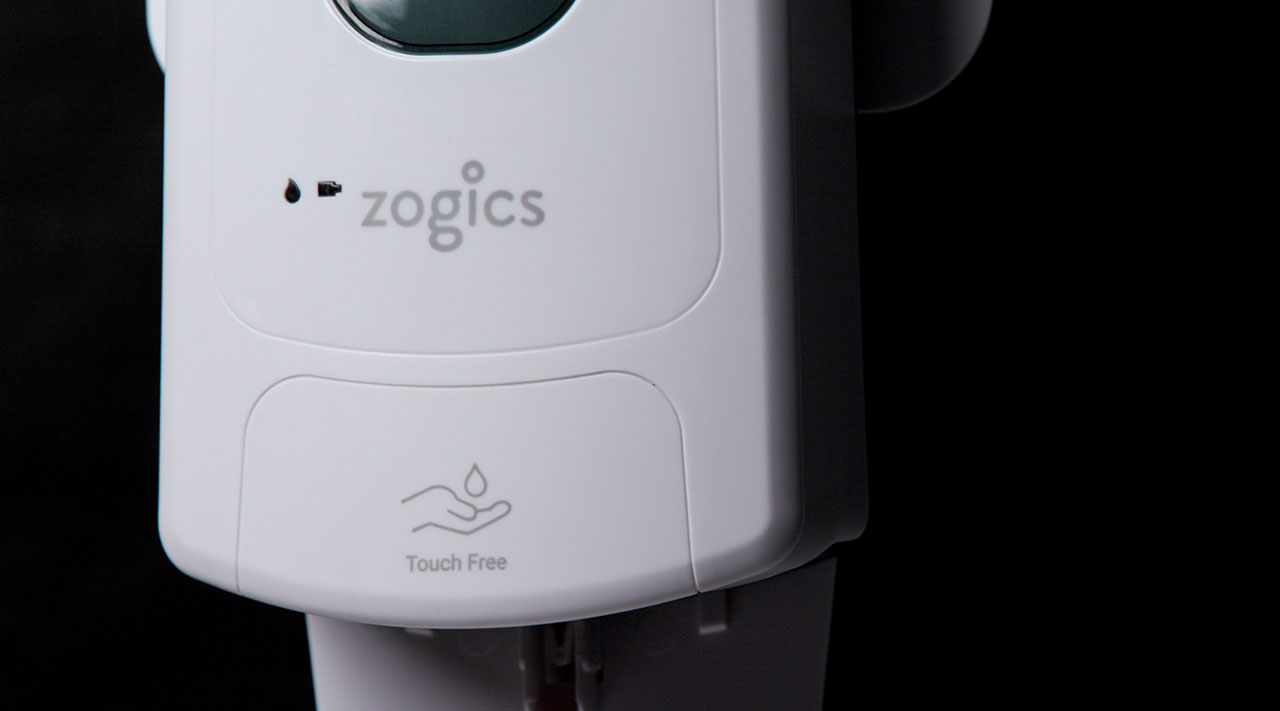
In today's hygiene-conscious environment, hand sanitizers have become a non-negotiable element in public and professional spaces. However, equally important is the dispenser that delivers the sanitizer. The right dispenser does more than just hold product-it influences user compliance, sanitation standards, and operational efficiency. Whether you manage a gym, school, hospital, office, or retail space, choosing the right hand sanitizer dispenser can significantly impact public health, customer experience, and budget. There is a real need for accessible dispensers to maintain proper hand hygiene and meet the needs of both customers and employees.
Selecting the appropriate hand sanitizer dispenser helps create a safe and hygienic environment for everyone.
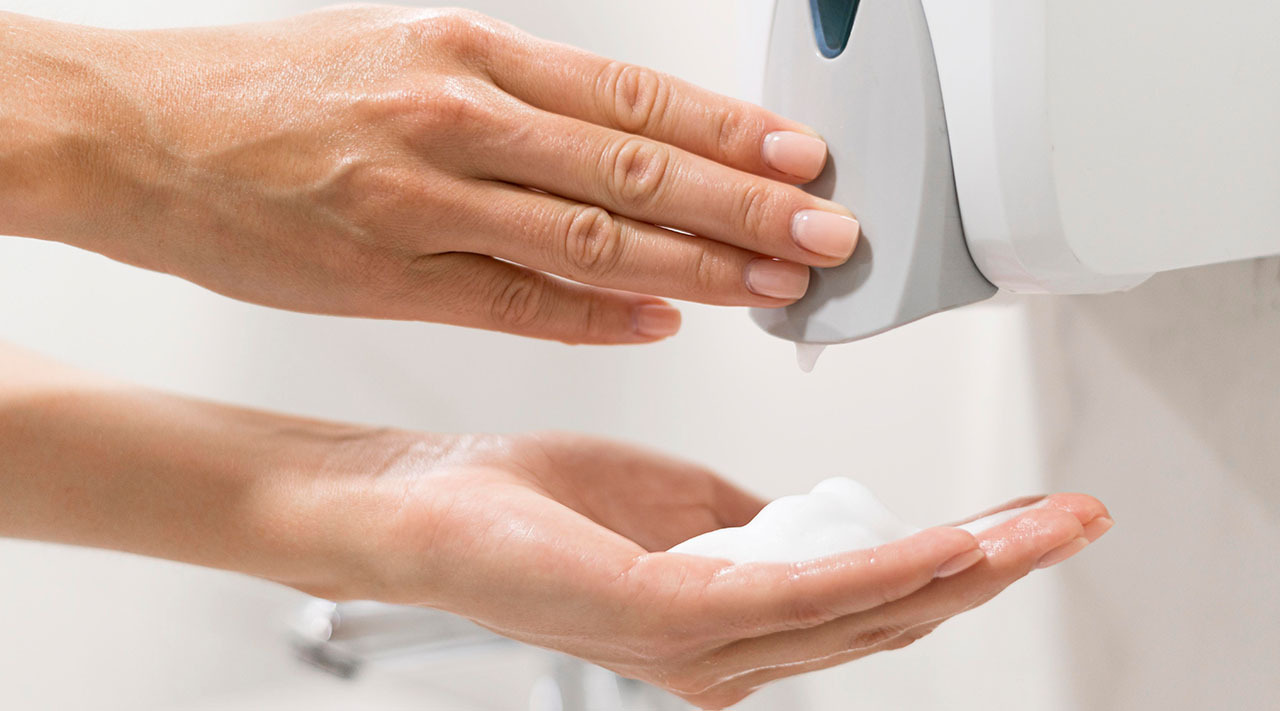
Types of Hand Sanitizer Dispensers
1. Manual Hand Sanitizer Dispensers
Manual dispensers are operated by pressing a lever or button to release the sanitizer.
Pros:
• Affordable and easy to install.
• No power source required.
• Ideal for low-traffic areas.
Cons:
• Increased risk of cross-contamination due to physical contact.
• May require more frequent cleaning.
Best Used For: Warehouses, staff break rooms, restrooms.
2. Automatic Hand Sanitizer Dispensers
Touchless dispensers use motion sensors to dispense sanitizer without physical contact.
Pros:
• Reduced risk of germ transmission.
• Encourages frequent use due to hygienic operation.
• Modern, professional appearance.
• Convenience of touchless operation and easy maintenance.
Cons:
• Requires batteries or electricity.
• Higher upfront cost.
Best Used For: Healthcare facilities, gyms, lobbies, retail entrances.
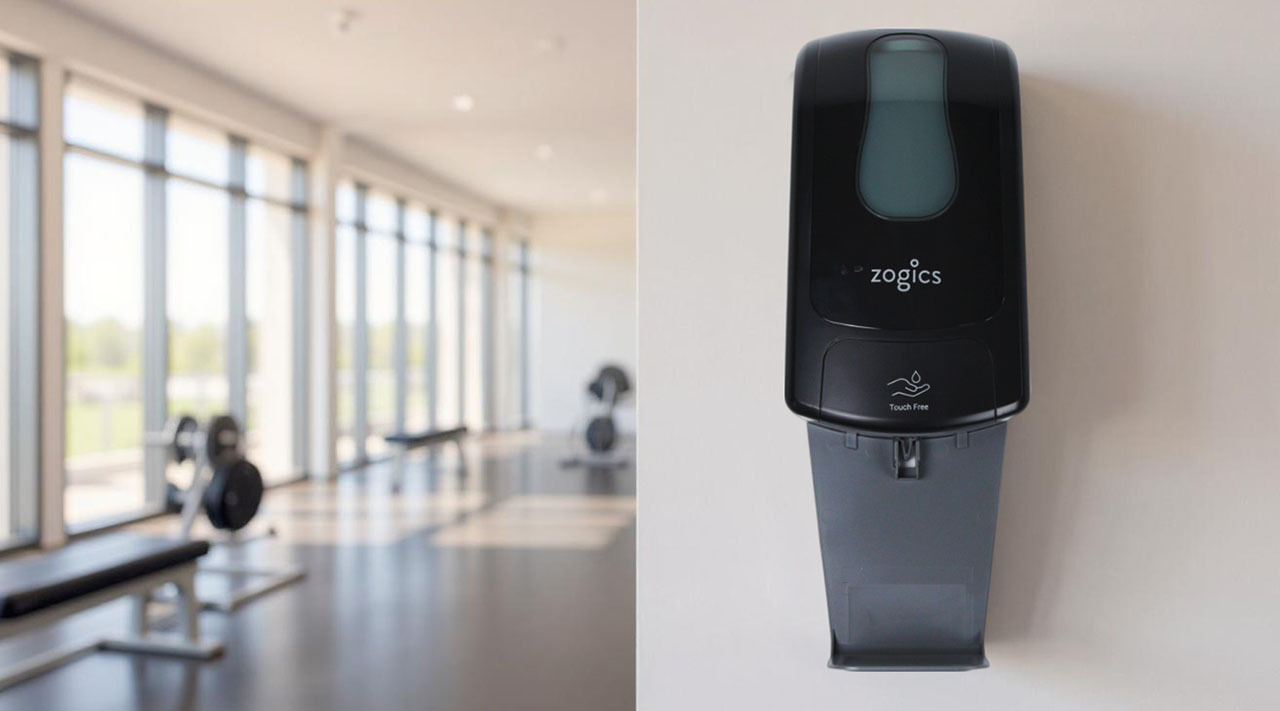
3. Wall-Mounted Hand Sanitizer Dispensers
These dispensers are affixed to walls to save floor space and maintain traffic flow.
Pros:
• Keeps units out of the way.
• Ideal for long-term installations.
• Reduces tampering and theft.
Cons:
• Requires permanent installation.
• Less flexible if traffic patterns change.
Best Used For: Corridors, hallways, restrooms, and near doorways.
4. Floor Stand Hand Sanitizer Dispensers
Standalone units can be moved and placed as needed, offering high visibility and accessibility.
Pros:
• Highly flexible placement.
• Eye-catching, increases usage compliance.
• No wall damage.
Cons:
• Takes up floor space.
• May be prone to tipping or tampering.
Best Used For: Event venues, entrances, open-concept offices, retail floors.

5. Tabletop Hand Sanitizer Dispensers
Compact units are meant for desks, counters, or reception areas.
Pros:
• Small and unobtrusive.
• Excellent for personal use or small settings.
Cons:
• Low capacity.
• Limited accessibility in large areas.
Best Used For: Reception desks, offices, classrooms, waiting areas.
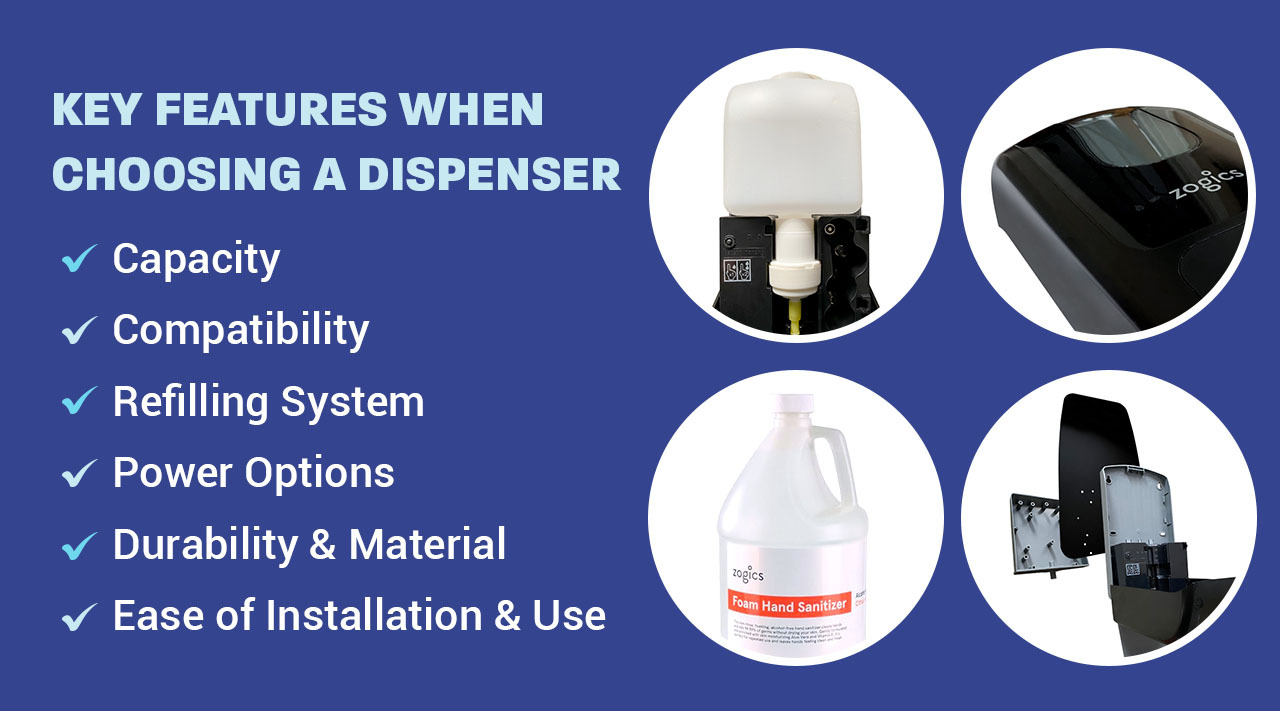
Key Features to Consider When Choosing a Dispenser
1. Capacity
Dispenser capacity determines how frequently it needs to be refilled. For high-traffic locations, look for high-capacity dispensers (1000ml or more) to reduce maintenance.
2. Compatibility
Make sure your dispenser is compatible with a variety of hand hygiene products, such as gel or foam sanitizers, depending on what your facility uses. Some dispensers only work with proprietary refill cartridges, while others are bulk-fill, offering more flexibility.
3. Refilling System
Bulk refill dispensers are a cost-effective and easy way to refill your dispenser. Cartridge-based systems are simple to use but may increase costs over time.
Pro Tip: Look for spill-proof reservoirs and transparent windows for refill monitoring.
4. Power Options
If opting for an automatic unit, check whether it runs on batteries, rechargeable units, or AC power. Battery-operated dispensers offer mobility, while wired options suit permanent locations.
5. Durability and Material
In high-traffic or industrial areas, choose dispensers made from ABS plastic or stainless steel for resistance against vandalism, corrosion, and wear.
6. Ease of Installation and Use
Consider whether your team can install the unit or if it requires professional help. User-friendly dispensers with clear instructions, intuitive use, and ADA compliance improve overall accessibility.
Top Industries and Their Dispenser Needs
Gyms and Fitness Centers
• Best Choice: Touchless, wall-mounted dispensers near entrances, workout areas, and locker rooms.
• Reason: Encourages hygiene post-equipment use and supports high user turnover.
Healthcare Facilities
• Best Choice: Automatic dispensers with foam sanitizer at every patient room door.
• Reason: Strict hygiene standards demand hands-free, hospital-grade solutions to prevent the spread of germs.
Hospitality and Restaurants
• Best Choice: Sleek, floor-standing dispensers in lobbies and dining areas.
• Reason: Aesthetics and customer reassurance are paramount.
Educational Institutions
• Best Choice: Durable manual or automatic wall-mounted dispensers in hallways and cafeterias.
• Reason: Frequent student use requires sturdy, refillable units to maintain hygiene.
Corporate Offices
• Best Choice: Tabletop dispensers in meeting rooms and desk areas.
• Reason: Encourages personal hygiene without interrupting workspace design.
Maintenance Best Practices for Dispensers
• Regular Refilling: Avoid empty units with a set refill schedule. See our guide on How to Refill a Sanitizer Dispenser.
• Battery Checks: For automatic units, monitor and replace batteries to prevent downtime.
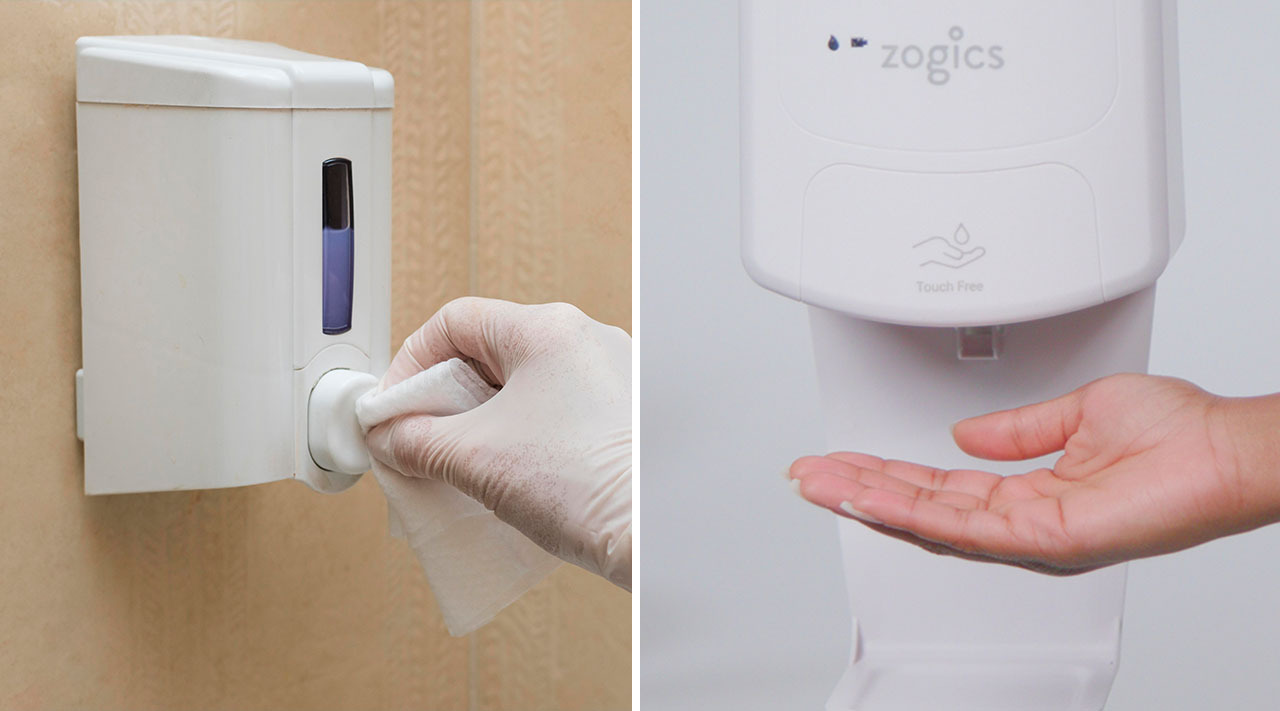
• Surface Cleaning: Wipe external surfaces daily, especially manual models.
• Function Testing: Weekly checks ensure sensors, nozzles, and valves are operational.
Benefits of Investing in High-Quality Dispensers
• User Trust: A clean, functioning dispenser communicates commitment to hygiene.
• Compliance: Supports health code adherence and CDC recommendations.
• Cost Savings: Durable, high-capacity units reduce long-term operational costs.
• Brand Image: Modern dispensers enhance the facility’s professional appearance.
Sustainability Considerations
Eco-conscious businesses can opt for:
• Refillable bulk dispensers to reduce single-use plastic waste.
• Energy-efficient sensor technology.
• Green-certified hand sanitizers are compatible with your dispenser system.
Look for dispenser brands that align with green building certifications or offer recycling programs for empty cartridges.
Make Hygiene Effortless with the Right Dispenser
Choosing the right hand sanitizer dispenser isn't just a logistical decision—it’s a statement about your commitment to health, safety, and user experience. By considering location, usage, style, and cost, businesses can install units that serve their teams and guests efficiently and hygienically. Invest in the right system today and protect your environment with every sanitizing pump.
Frequently Asked Questions (FAQs)
Commercial hand sanitizer dispensers come in various types, including manual, automatic (touchless), wall-mounted, floor-standing, and tabletop models. Each type suits different spaces and traffic levels.
For high-traffic areas, automatic touchless dispensers with high capacity (1000ml or more) are ideal to reduce refilling frequency and minimize cross-contamination risks.
Not all dispensers are compatible with every sanitizer type. Some work only with specific cartridges, while bulk-fill dispensers offer more flexibility for gel, liquid, or foam sanitizers.
Refill frequency depends on usage and dispenser capacity. High traffic locations may require daily refills, while lower traffic areas can be refilled less frequently.
Yes, automatic dispensers typically require batteries or an AC power source. Battery-operated units offer mobility, while wired units are suited for permanent installations.
Key standards include:
• Activation Mechanism: Should only activate via manual push or sensor within 4 inches—no multiple activations from prolonged presence.
• Volume Control: Must dispense a consistent amount (typically 1.0 mL) per use.
• Placement Regulations: Avoid placement over ignition sources or in restricted corridors. Follow fire codes (e.g., 4-ft spacing in hallways).
• Material Safety: Use alcohol content under 95%, secured against tampering or misuse.
Possible reasons include:
• Battery failure (for automatic units)
• Sensor obstruction from dirt or residue
• Clogged nozzle due to dried sanitizer
• Empty or improperly installed cartridge
Best locations:
• Entrances/exits
• Elevators and lobbies
• Outside and inside restrooms
• Near nurse stations in healthcare
Avoid placing behind doors or near power outlets.
They use infrared sensors to detect hands placed beneath the nozzle, triggering the release of a preset amount of sanitizer without physical contact.
Yes. Due to the flammable nature of alcohol-based sanitizers, dispensers should not be installed near ignition sources or in narrow corridors without proper fire safety measures.