




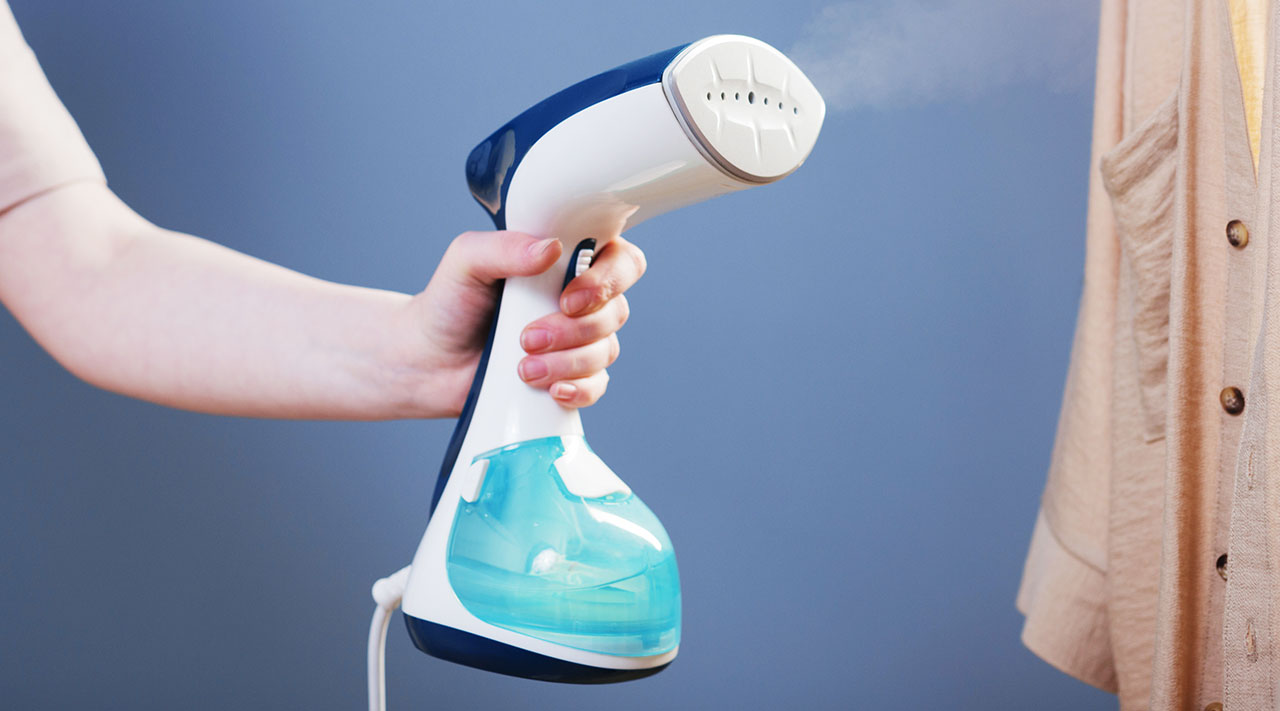
Want to learn how to steam clothes for smooth, wrinkle-free results without pulling out the iron? This easy, step-by-step guide shows you how to work a steamer, from filling the water tank to choosing the right settings and attachments for different fabrics.
You’ll learn how to properly use a steamer and how to use a steamer for clothes safely and effectively—so your garments look fresh, polished, and ready to wear in minutes.
Key Takeaways
• There are two main types of clothes steamers: handheld for portable use and upright for regular home use.
• Always use distilled water for optimal performance and to prevent mineral buildup in your steamer.
• Steaming not only removes wrinkles quickly but also eliminates odors and sanitizes fabrics without risking damage.
Understanding Your Clothes Steamer
A clothes steamer works by heating water to create steam, which is then applied to fabric via a nozzle. The steam helps relax fabric fibers, releasing wrinkles without the risk of scorching. There are two main types of steamers:
- Handheld steamers: Compact and portable, perfect for quick touch-ups and travel.
- Upright steamers: Larger and more suited for home use or professional settings.
Steaming is ideal for most fabrics, including delicate materials like silk and chiffon, offering a gentle yet effective way to refresh clothes without damaging them.
Why Should You Use a Steamer?
Using a steamer is an effective and efficient way to remove wrinkles from clothes without the risk of burning or damaging the fabric. Unlike irons, which can scorch delicate materials, steamers offer a gentler solution that works for a wide range of fabrics, including silk, chiffon, and wool. Steamers are also faster, more convenient, and typically more portable than traditional irons, making them a great choice for busy individuals or those with limited space.
When Should You Use a Steamer?
Steamers are perfect for when you need to quickly refresh your clothes, especially when you're in a hurry or traveling. They work best for fabric types that are easily damaged by traditional ironing, like delicate silks or wool. Use a steamer when you want to get rid of wrinkles without the hassle of setting up an ironing board, or when you need to sanitize or refresh clothing items without using harsh chemicals.
Preparing Your Steamer for Use
Before you start steaming, ensure that your steamer is properly prepared:
- Use distilled water to prevent mineral buildup in the steamer.
- Fill the water tank without overfilling, and allow the steamer to heat up fully for optimal performance.
Filling the Water Tank
Filling the water tank might seem straightforward, but it’s a step that requires some attention to detail. Always use distilled water to fill the water tank. This practice prevents mineral buildup and ensures your steamer runs efficiently. Depending on your steamer model, you may pour the water directly into the tank or remove the tank for easier filling.
Be sure to check the manufacturer’s instructions for any specific water requirements or filling guidelines to prevent any mishaps. Using distilled water and following the correct filling procedures will keep your steamer in top shape, ready to deliver wrinkle-free clothes.
Powering Up
After filling the tank, it’s time to power up your steamer. Simply plug it in and allow it to reach its maximum temperature before you start steaming. This ensures the steamer is producing steam at the right intensity to effectively remove wrinkles from your garments.
Now, you’re all set to start steaming!
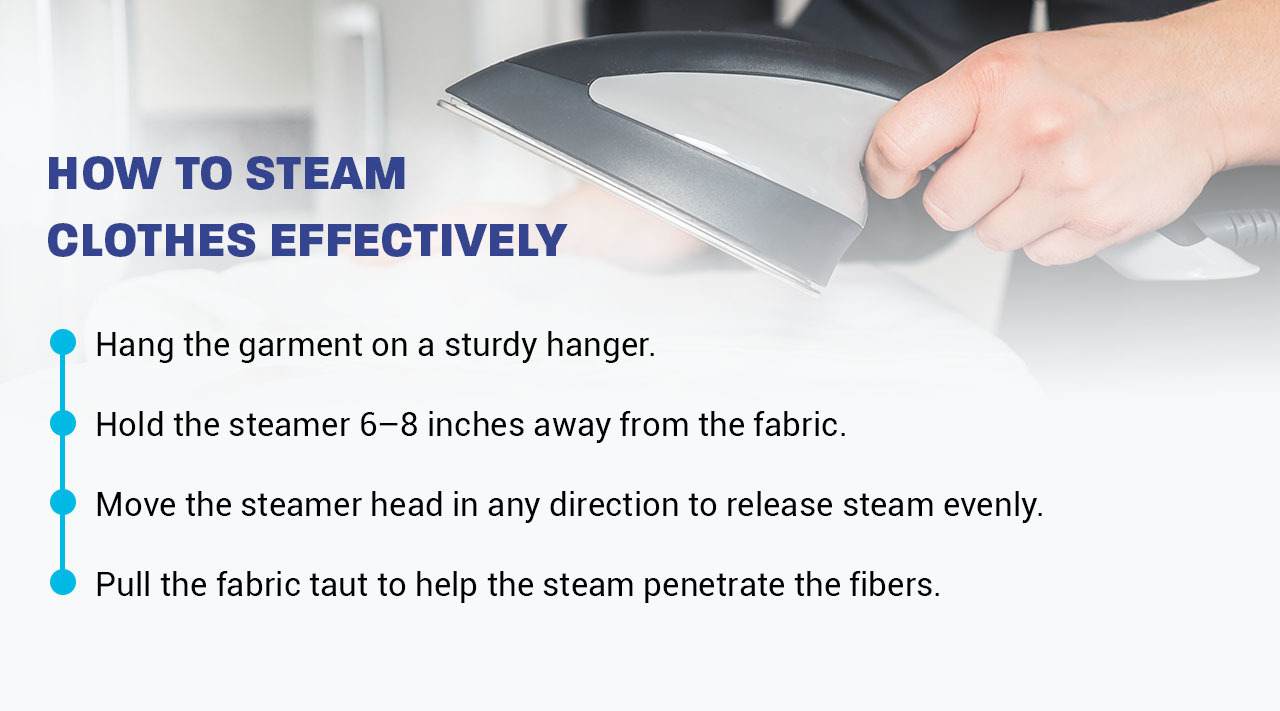
How to Steam Clothes Effectively
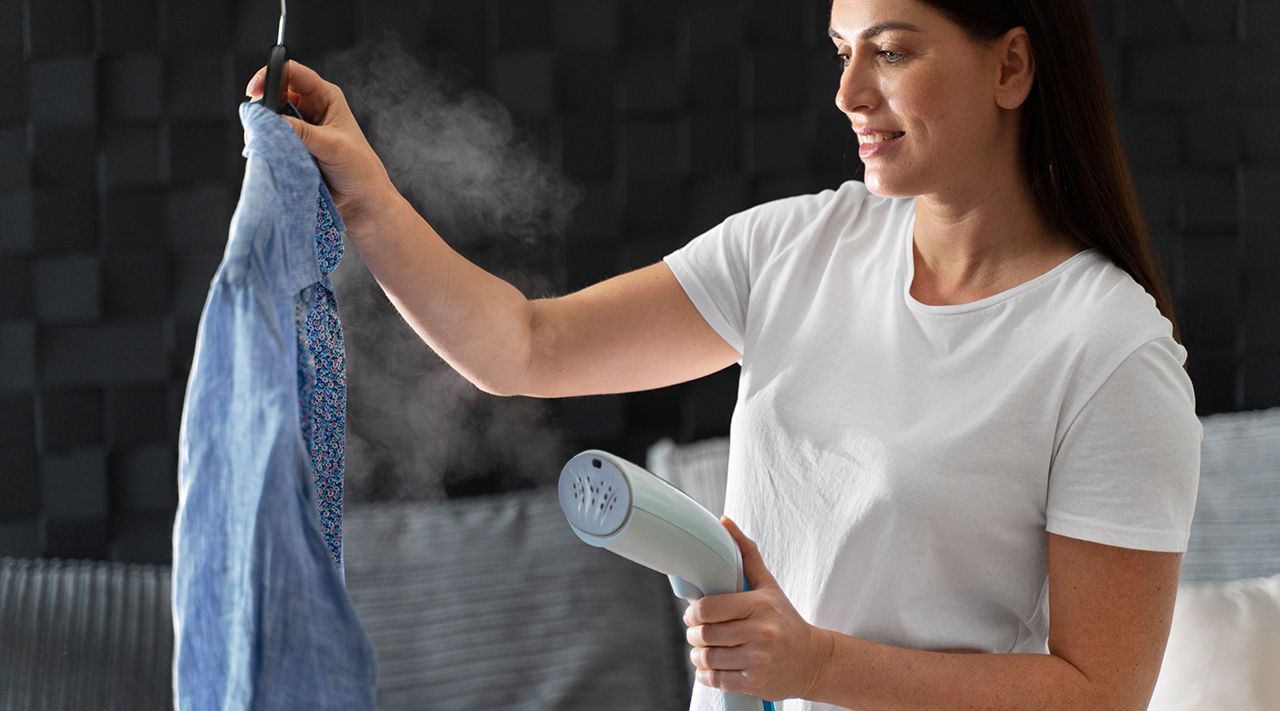
- Hang the garment on a sturdy hanger.
- Hold the steamer 6–8 inches away from the fabric to avoid water droplets.
- Move the steamer head in any direction to release steam evenly.
- Pull the fabric taut to help the steam penetrate the fibers for effective wrinkle removal.
Can I Steam Any Fabric?
When it comes to delicate fabrics, a garment steamer is your best friend. Steamers relax fabric fibers without scorching, making them ideal for delicate materials like silk and chiffon. However, it’s always a good idea to test the steamer on a hidden area of the fabric first to ensure it doesn’t cause any damage.
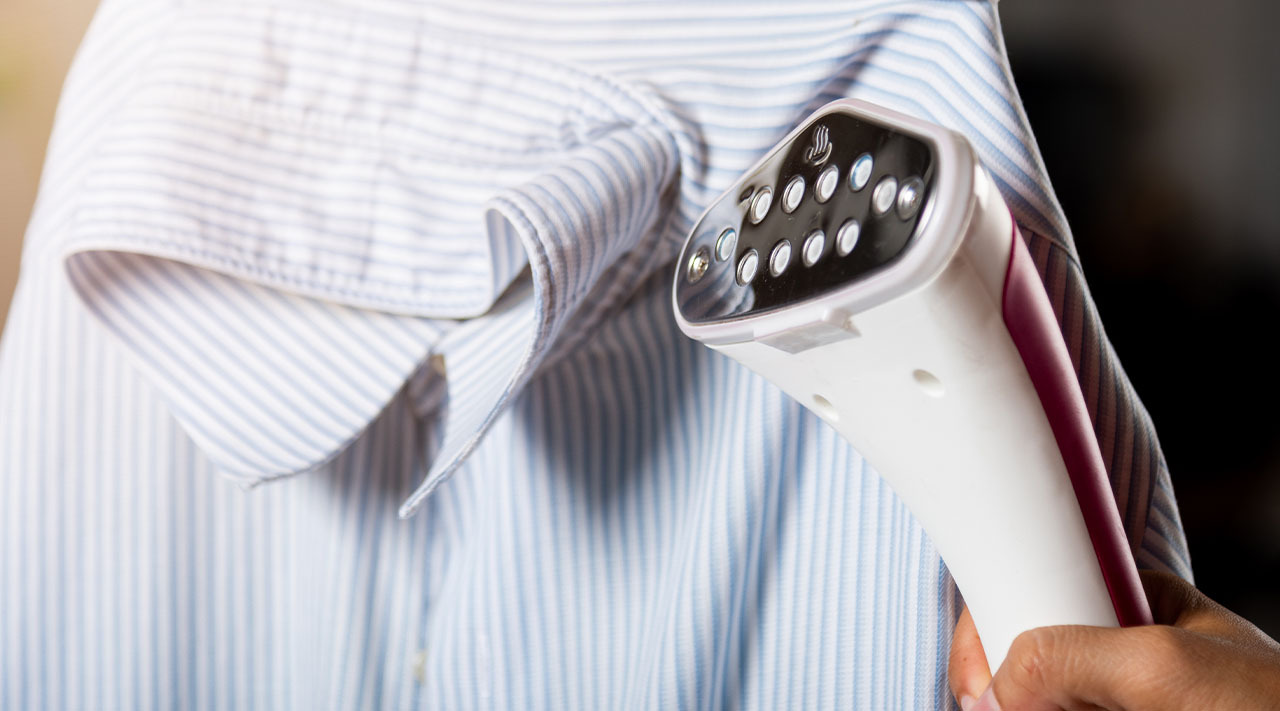
Avoid holding the steamer too close to delicate fabrics to prevent potential damage. For detailed areas like collars and cuffs, use specific steaming tools or attachments to enhance effectiveness. This careful approach ensures that even your most delicate clothing remains in pristine condition.
Using Attachments
Attachments can significantly enhance the effectiveness of your clothes steamer. For instance, a delicate attachment is designed to separate the soleplate from the fabric, preventing scorching. When steaming detailed areas like collars, cuffs, and hems, a heat protection glove and a heat protection bag can be particularly useful.
Holding the steaming tool behind the fabric while steaming can also help achieve better results on detailed areas. Utilizing these attachments ensures that you can tackle any steaming task with ease and precision.
Safety Tips While Using a Steamer
- Always ensure that the water tank is not overfilled.
- Use protective gloves to avoid burns from hot steam.
- Never direct steam towards yourself or others.
Post-Steaming Care
Once you’ve finished steaming, give your garments a bit of time to dry before wearing them. Using a rotating fan can help expedite the drying process. It increases air circulation to facilitate quicker drying. It’s also important to fold or hang your garments properly after steaming to maintain their wrinkle-free appearance.
Avoid folding clothes immediately after steaming; hanging them up will prevent new wrinkles from forming. Finally, store your steamer in a cool, dry place to extend its lifespan. These simple steps will ensure your clothes stay pristine and your steamer remains in good working condition.
Maintenance and Cleaning
Regular maintenance and cleaning of your steamer are crucial for its longevity. After each use, empty the water tank to prevent bacterial growth and odors. Keeping the water tank empty when not in use also helps prevent mineral buildup.
For older steamers, if the red indicator light is on without producing steam, the heating element may need replacement. These basic maintenance steps will keep your steamer functioning efficiently.
Regular Cleaning
Regular cleaning is essential to maintain the steamer’s optimal performance. It’s generally recommended to clean a clothes steamer every 45 to 60 days, or monthly if you use it frequently. Regular cleaning prevents mineral buildup, ensuring the steamer continues to remove wrinkles effectively.
Simply follow the manufacturer’s instructions for cleaning, which usually involves using distilled water and a soft cloth. This routine maintenance is key to extending the life of your steamer and keeping it in top condition.
Deep Cleaning With Vinegar
Deep cleaning with vinegar is an effective way to remove stubborn mineral deposits from your steamer. Mix one part white vinegar with two parts distilled water, run it through the steamer, and allow it to sit for 30 minutes before rinsing. This method helps dissolve mineral buildup and keeps your steamer functioning properly.
Soaking the nozzle in warm distilled vinegar for at least eight hours can also effectively remove stubborn deposits. Deep cleaning with vinegar regularly keeps your steamer in excellent working order, ensuring wrinkle-free clothes.
Troubleshooting Common Issues
Even with regular maintenance, you may encounter common problems with your clothing steamer. Issues like sputtering, lack of steam production, and insufficient heat can be frustrating. Sputtering is often caused by a clogged nozzle or improper water level in the tank.
Lack of steam production can result from not allowing the steamer to heat up properly. Regular maintenance, such as emptying the water tank after use, can help prevent these issues. Cleaning the steam holes regularly ensures a smooth steam flow and prevents sputtering.
If problems persist, using distilled white vinegar for deep cleaning can dissolve mineral deposits that cause issues.
Benefits of Using a Clothes Steamer
Using a clothes steamer is a simple and effective way to keep garments looking fresh without the hassle of ironing. When you know how to steam clothes properly, steamers offer a faster, gentler alternative that works across a wide range of fabrics and use cases.
Key benefits of using a clothes steamer include:
-
Quick wrinkle removal: Steam relaxes fabric fibers, helping remove wrinkles faster and more efficiently than traditional ironing.
-
Portable and travel-friendly: Handheld steamers are lightweight and easy to use, making them ideal for travel or quick touch-ups at home.
-
Safe for most fabrics: When you use a steamer for clothes, it works well on delicate materials like silk, wool, and synthetics without direct heat contact.
-
Odor and bacteria reduction: Steam helps eliminate odors, dust, and bacteria, keeping clothes fresher between washes.
-
Multi-purpose cleaning: Beyond garments, steamers can help sanitize hard surfaces and loosen stubborn grime with minimal effort.
Summary
In summary, a clothes steamer is an invaluable tool for maintaining a wrinkle-free wardrobe. From understanding the different types of steamers to mastering the art of steaming delicate fabrics, this guide has covered everything you need to know. With proper preparation, effective steaming techniques, and regular maintenance, you can keep your clothes looking fresh and wrinkle-free with ease.
Embrace the convenience and efficiency of a clothes steamer, and say goodbye to the hassle of traditional ironing. Your wardrobe will thank you!
Using tap water in your clothes steamer isn’t recommended. Distilled water helps prevent mineral buildup and keeps your steamer running smoothly over time.
To keep your clothes steamer performing at its best, clean it every 45 to 60 days. If you use it frequently, monthly cleaning is recommended to maintain optimal performance.
You can steam most fabrics, including delicate materials like silk and synthetics. However, avoid steaming animal hides or leather, as heat and moisture can damage them.
If your steamer is sputtering, it’s often caused by a clogged nozzle or incorrect water level. Regular cleaning and using distilled water can help prevent this issue.
To speed up drying after steaming clothes, use a rotating fan to improve air circulation. This helps reduce drying time and gets garments ready to wear faster.