




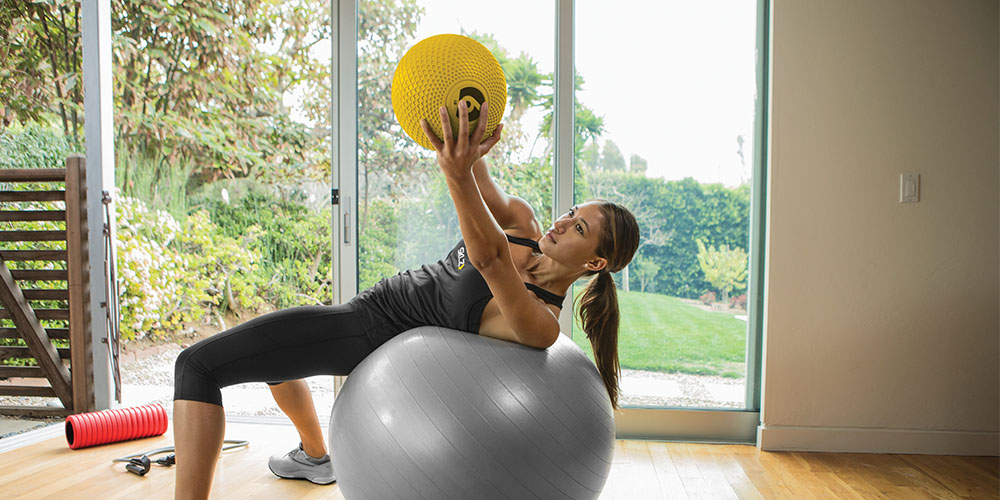
Fitness balls and stability balls are great tools for any exercise routine, but without proper cleaning, they can easily become a breeding ground for germs. Maintaining consistent hygiene practices is essential to keep your equipment safe, especially when using disinfecting wipes for stability balls, disinfecting wipes for medicine balls, or other disinfectant wipes for gym equipment.
In this guide, we’ll share three quick tips to help keep your members healthy and ensure your gym’s fitness balls stay clean and germ-free.
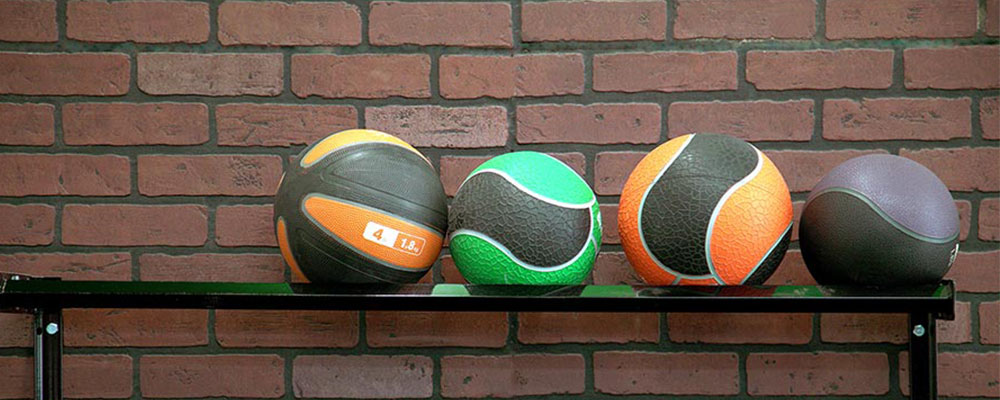
Why is it Important to Clean Fitness and Stability Balls?
A study reported by Science Daily found that sports balls "can spread potentially dangerous germs among players." The study highlighted the role of sports balls as a vehicle for the transmission of harmful germs, such as Staphylococcus aureus, Candida, and E. coli. These germs can survive on fitness and stability balls for up to 72 hours, making it vital to keep them clean to prevent the spread of infection.
Methicillin-resistant Staphylococcus aureus (MRSA) is a dangerous type of staph that is resistant to many antibiotics. Athletes with MRSA infections often require emergency room visits, costly outpatient follow-ups, and time away from games and practice. The Texas State Department of Health found that the infection rate among football players was sixteen times the national average. So, it's crucial to take cleanliness seriously and prevent the spread of harmful germs.
What are the Best Ways to Clean & Maintain Fitness Balls?
Tip #1: Wipe Down Fitness and Stability Balls Regularly
Sterilizing fitness balls is a crucial step in maintaining good hygiene practices. Use gym equipment wipes to disinfect the surface of the balls effectively before and after each use. For convenience and safety, be sure to have enough disinfecting wipes and wipe dispensers in your fitness spaces where they can be easily accessed by members and staff. In addition to using wipes, our EPA-registered broad-spectrum surface disinfectant is another top choice for sterilization. It is a one-step surface disinfectant, germicidal detergent, surface cleaner, fungicide, virucide, and deodorizer.
Tip #2: Wash Your Hands and Keep Towels Separate
In addition to wiping down fitness balls, it's important to use hand sanitizer after using the balls. This will help prevent the transfer of germs from your hands to the equipment. Also, use separate towels for your face and gym equipment. This will prevent cross-contamination and reduce the spread of germs. And for gym owners and managers, our gym wipes are a great solution for a healthier regimen.
Tip #3: Properly Store Fitness Balls
Properly storing fitness balls can help prolong their lifespan and prevent damage. From a bag to storage rack, there are many options for storing fitness balls. It is good to keep them in a cool, dry area away from any sharp objects.
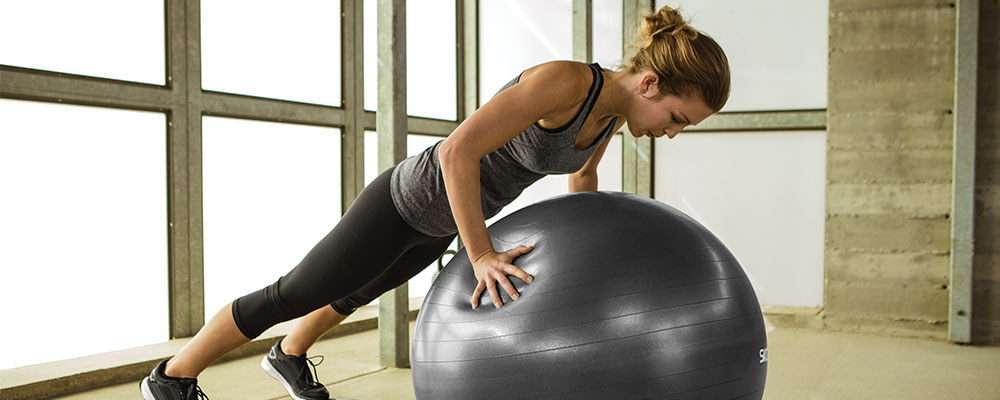
Maintaining good hygiene practices are essential to prevent the spread of harmful germs. Using fitness and stability balls is an excellent way to keep your members active and healthy. However, it's crucial to keep this equipment clean to prevent the spread of infections. Remember to wipe down fitness balls regularly, wash your hands, and have enough gym equipment wipes and wipe dispensers on hand. By following these simple tips, you can help keep your gym equipment clean and your members healthy.
What to Avoid When Cleaning Gym Balls
When cleaning gym balls, it’s just as important to know what not to do as it is to follow proper cleaning steps. Using the wrong products or techniques can damage the surface, reduce grip, or weaken the material; all of which affect member safety and the longevity of your equipment.
1. Avoid Harsh Chemicals and Abrasive Cleaners
Strong chemicals like bleach, ammonia, or abrasive powders can break down the material of gym balls, causing cracking or degradation. Stick with gentle solutions or disinfectant wipes for gym equipment that are formulated for fitness surfaces.
2. Don’t Use Rough Scrub Pads or Brushes
Abrasive tools can scratch or scuff the ball’s surface, reducing traction and making the ball unsafe for workouts. Use soft cloths or microfiber towels instead.
3. Skip Oversaturating the Ball With Water
Immersing gym balls or using excessive water can cause moisture to seep into seams or valves, potentially weakening the structure. A light spray and wipe-down is enough for routine cleaning.
4. Don’t Ignore Drying Time
Storing gym balls before they’re fully dry can trap moisture and lead to bacterial growth. Always allow them to air dry completely after cleaning.
5. Avoid Products Not Designed for Fitness Equipment
Household cleaners may contain additives that leave slippery residues, which is a major safety concern. Facility owners should use disinfecting wipes for stability balls, disinfecting wipes for medicine balls, or approved gym-surface disinfectants to ensure proper sanitation.
By avoiding these common mistakes, you’ll extend the life of your gym balls and maintain a safer, cleaner workout environment for your members.
Looking for more cleaning guides? Check out: