




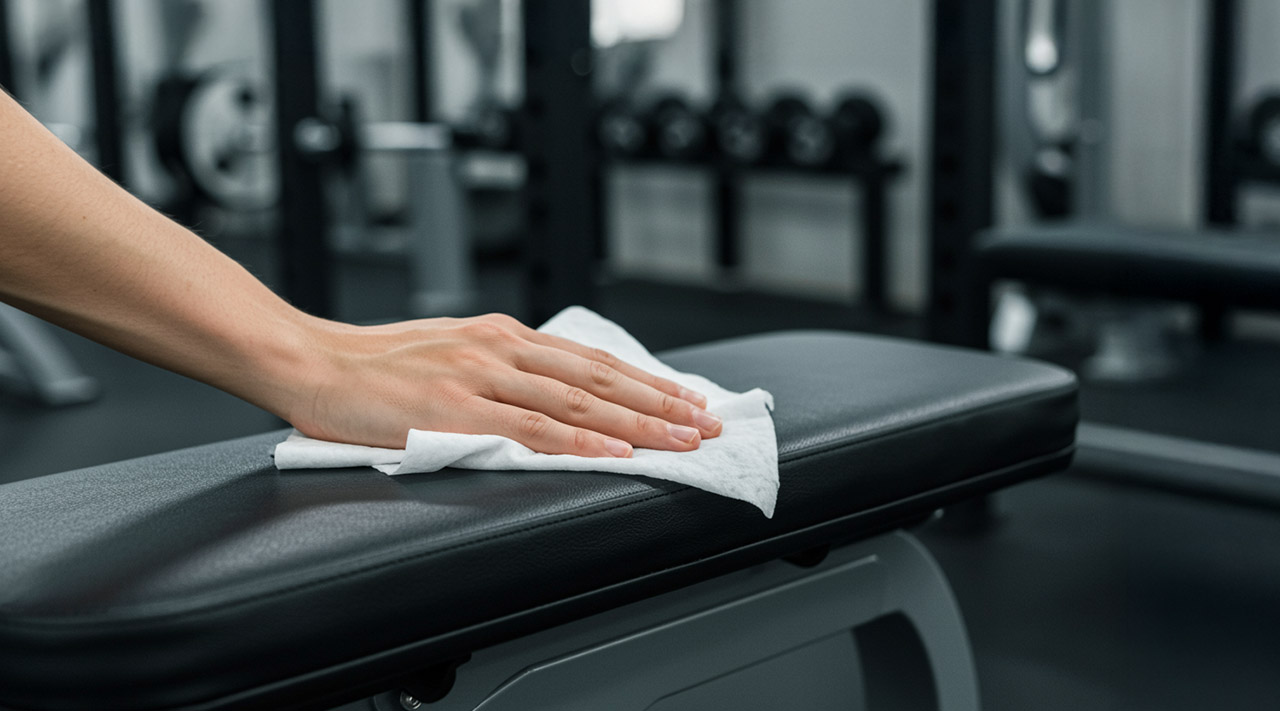
The National Fitness and Nutrition Consumer Study reports 81% of gymgoers see cleanliness as a deciding factor when choosing where to work out. And when gyms fail to meet expectations, member satisfaction drops from 83% → 43%, and retention rates from 90% → 52%. Additional Research shows free weights can carry 362× more germs than a toilet seat, while treadmills hold 74× more bacteria than a public restroom faucet.
Rather than just wiping down equipment and calling it a day, modern facilities are building strategic hygiene programs that protect health and strengthen member loyalty. This guide focuses on how to go beyond basic cleaning—with real-time strategies, overlooked areas, and technology that many facilities still haven’t adopted.
What Members Expect—Beyond the Obvious
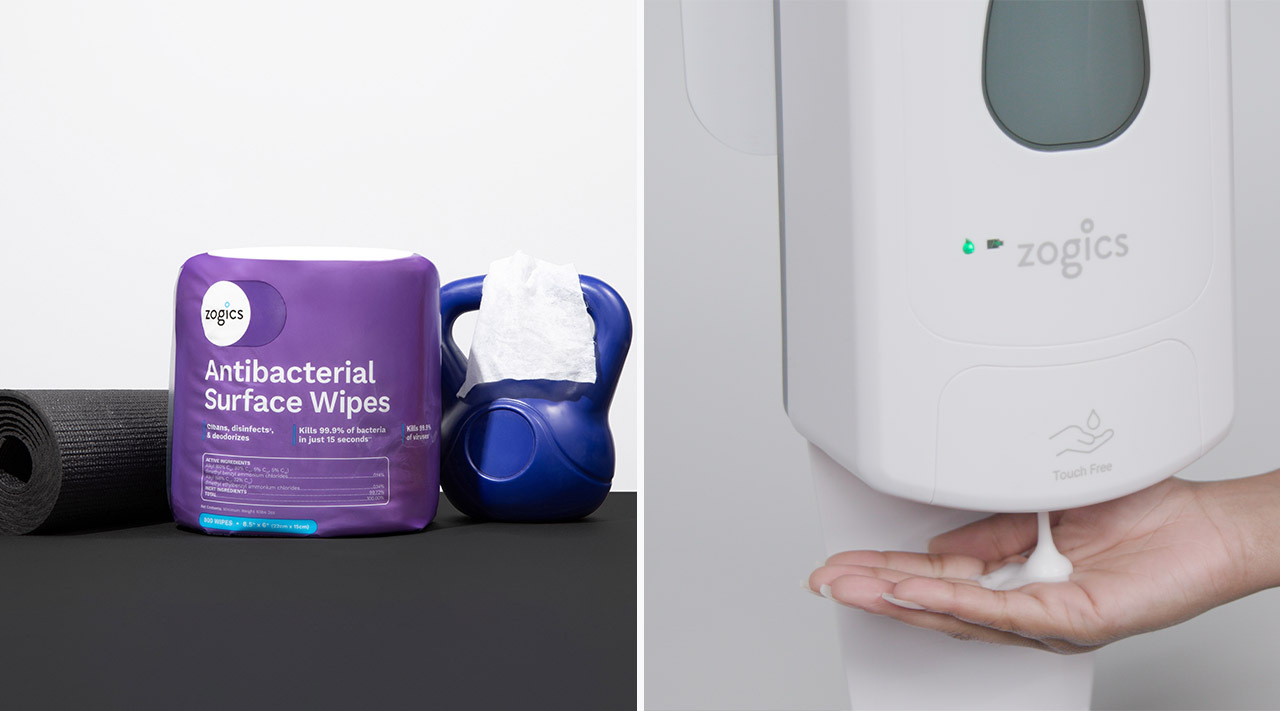
Today’s members expect more than tidy spaces. They want reassurance that your facility actively prioritizes their safety by offering:
• Equipment-safe, high-efficacy disinfectants
• Spotless, odor-free locker rooms
• Clear air circulation and ventilation
• Easy, visible access to gym wipes and hand sanitizers
Where gyms often fall short:
• Yoga mats & shared floor gear → common culprits for skin infections
• Adjustment knobs & mechanisms that are frequently touched but rarely sanitized
• Locker room humidity control to prevent mold and bacteria growth
• High-touch reception and entry points that aren’t cleaned and disinfected multiple times a day
• Improper cleaning cloth use, causing cross-contamination
If you’ve already read our How to Clean Gym Equipment guide, you know the basics of wiping techniques and product contact times. Here, we’re looking at how to embed these practices into a whole-facility strategy, so nothing gets missed, even during rush hour.
Peak-Hour Cleaning: Turning Traffic Into Opportunity
Busy periods are the real test of your cleaning system. Instead of “cleaning after the crowd,” progressive gyms are:
• Stationing trained staff in key areas to sanitize in real time
• Integrating cleaning into member experience—so members see the process and feel reassured
• Tracking peak-touch equipment usage via check-in or booking systems to schedule cleanings accordingly
• Positioning wipes and sanitizers exactly where members need them (e.g., between cardio rows, next to squat racks, and near exits)
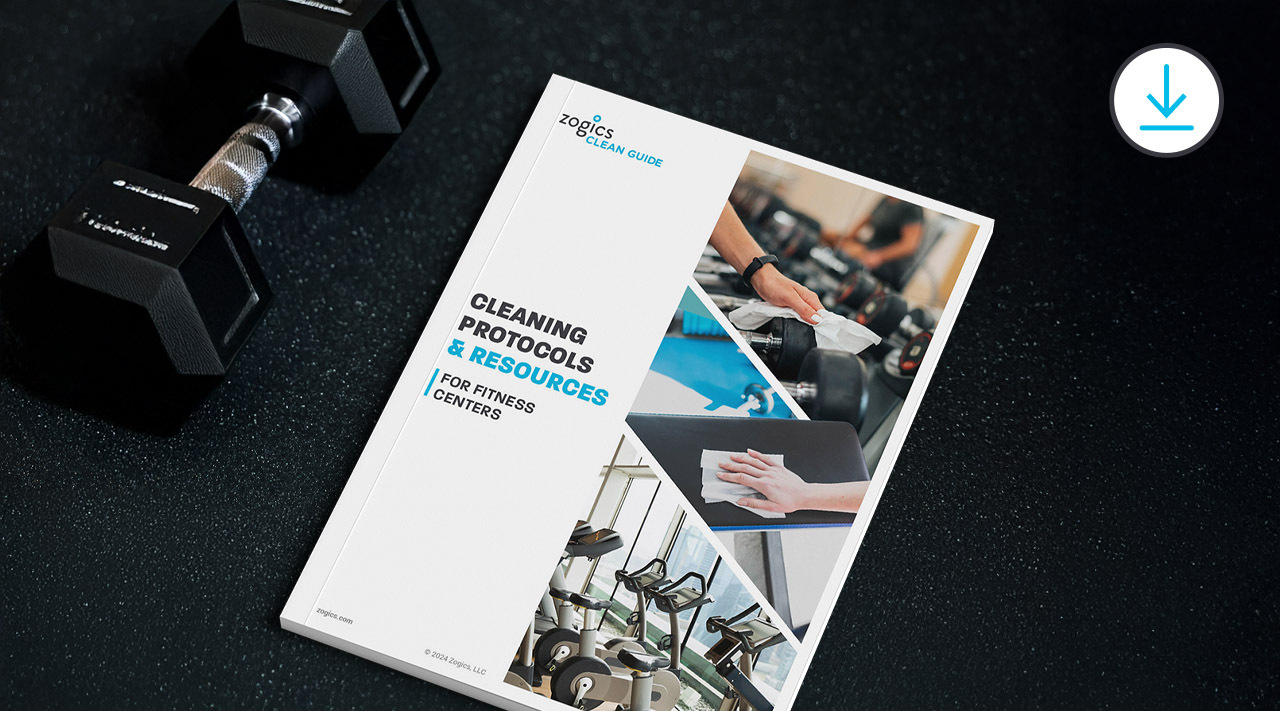
For a visual reference, see our Zogics Clean Guide, which maps out placement strategies for cleaning stations.
A Smarter Cleaning Framework: Daily, Weekly, Monthly
Instead of repeating a generic checklist, let’s focus on priority shifts based on frequency and member use patterns:
Daily Focus:
• Continuous disinfection of high-contact zones
• "Micro cleans" between peak sessions, rather than just end-of-day sweeps
• Locker room and shower disinfection before the evening rush
Weekly Focus:
• Move & clean under/behind all equipment
• Deep clean mats and other porous surfaces
• Vent and deodorize enclosed spaces like sauna rooms
Monthly Focus:
• HVAC filter replacement for better air quality
• Equipment service checks (cleaning plus safety inspections)
• Full-floor sanitation with non-slip disinfectants
Choosing the Right Products for Equipment & Air Quality
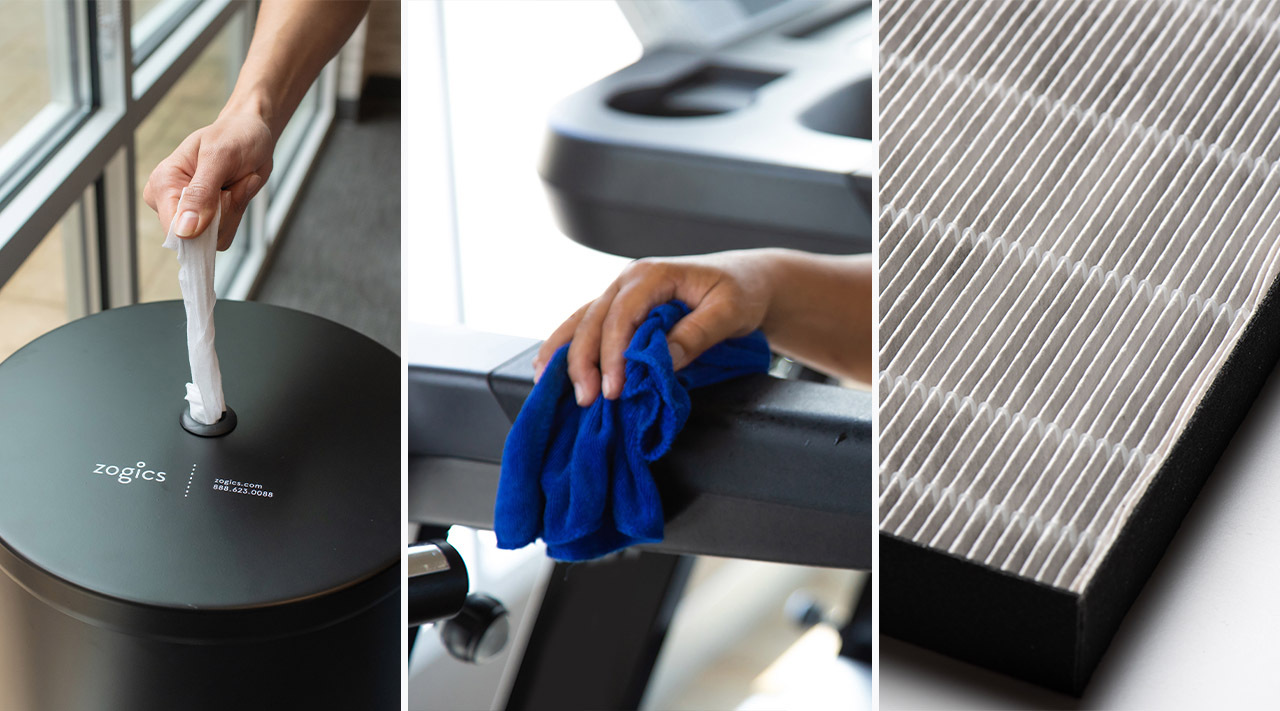
Many gyms already use disinfectants, but choosing products designed specifically for fitness settings makes a measurable difference:
• EPA-registered disinfectants that kill 99.9% of germs without corroding surfaces
• Color-coded microfiber systems to prevent cross-contamination
• HEPA Air Purifiers for capturing airborne particles
• Eco-conscious options to meet member sustainability expectations
For a curated list of the most effective solutions, see Top Gym Cleaning Products for 2026.
From Staff Compliance to Member Culture
Cleanliness sticks when it’s part of your facility culture, not just your staff’s to-do list.
Staff:
• Get regular, hands-on refresher training—especially on product usage and equipment-safe practices
• Rotate cleaning assignments to prevent “blind spots” from routine fatigue
Members:
• Engage them early: Orient new members on your hygiene practices
• Make it easy: Place wipes dispensers exactly where they’ll look for them
• Reinforce visually: Use clear, positive signage that frames cleaning as part of the workout culture
For a deeper look at creating engagement without over-sanitizing, check What Is Hygiene Theater and How to Move Beyond It.
Staying Ahead of Tomorrow’s Standards
Regulations and member expectations will only increase. Forward-thinking gyms are already adopting:
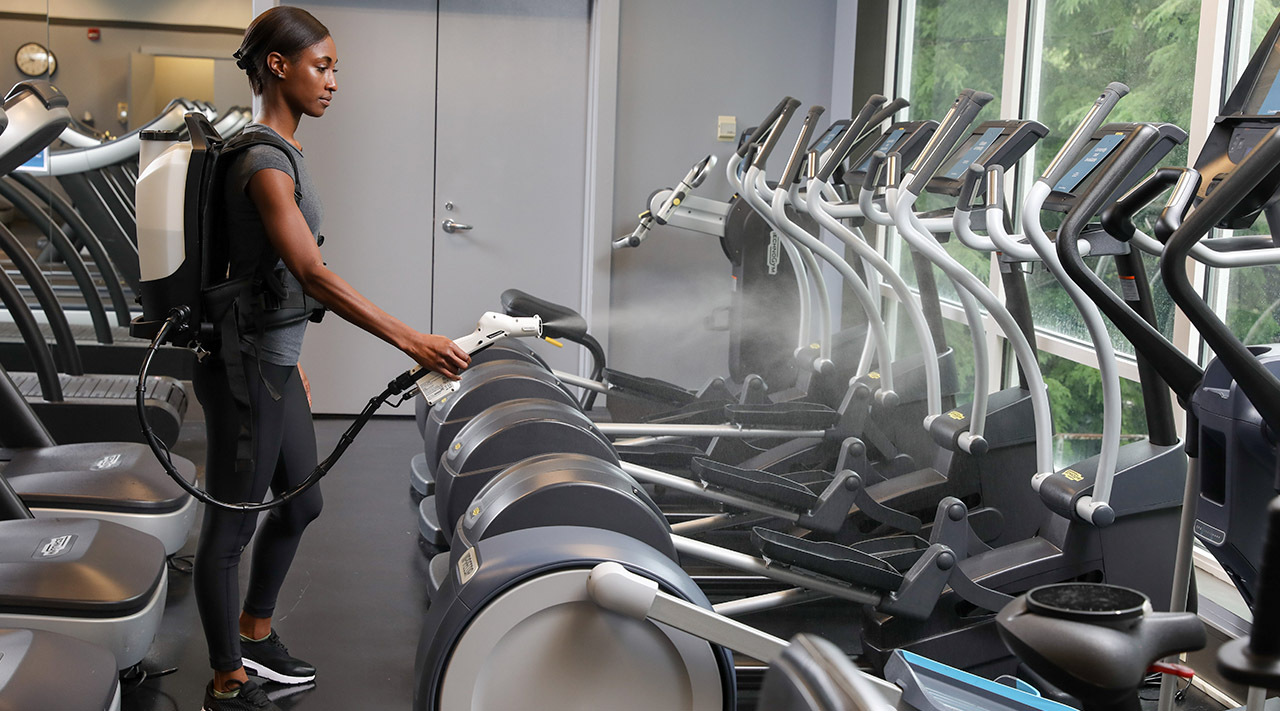
• Electrostatic sprayers for total surface coverage
• UV-C sanitizing stations for quick-turnover equipment
• Smart scheduling software to automate high-traffic cleaning alerts
• Air quality monitoring as part of the hygiene conversation
Key Takeaways
• Cleanliness is an ongoing business strategy, not a one-off task
• Integrating cleaning into the member experience builds trust and loyalty
• Smart scheduling and technology can reduce labor while improving results
• Culture and communication keep hygiene consistent beyond checklists
FAQs
How often should gym equipment be cleaned?
Multiple times daily for high-contact surfaces, plus one full daily clean and a weekly deep clean.
Which gym areas require extra cleaning attention?
Equipment adjustment points, mats, locker rooms, showers, and high-touch entry points.
How can members contribute to gym cleanliness?
Wipe down equipment before/after use, dispose of trash properly, and follow posted hygiene guidelines.
Which products are best for gym cleaning?
EPA-registered disinfectants are safe for gym surfaces. Explore our full range of gym wipes and disinfectants.
Does cleanliness impact gym retention?
Yes, data shows satisfaction drops from 83% to 43% and retention from 90% to 52% when facilities are perceived as unclean.