Help Center

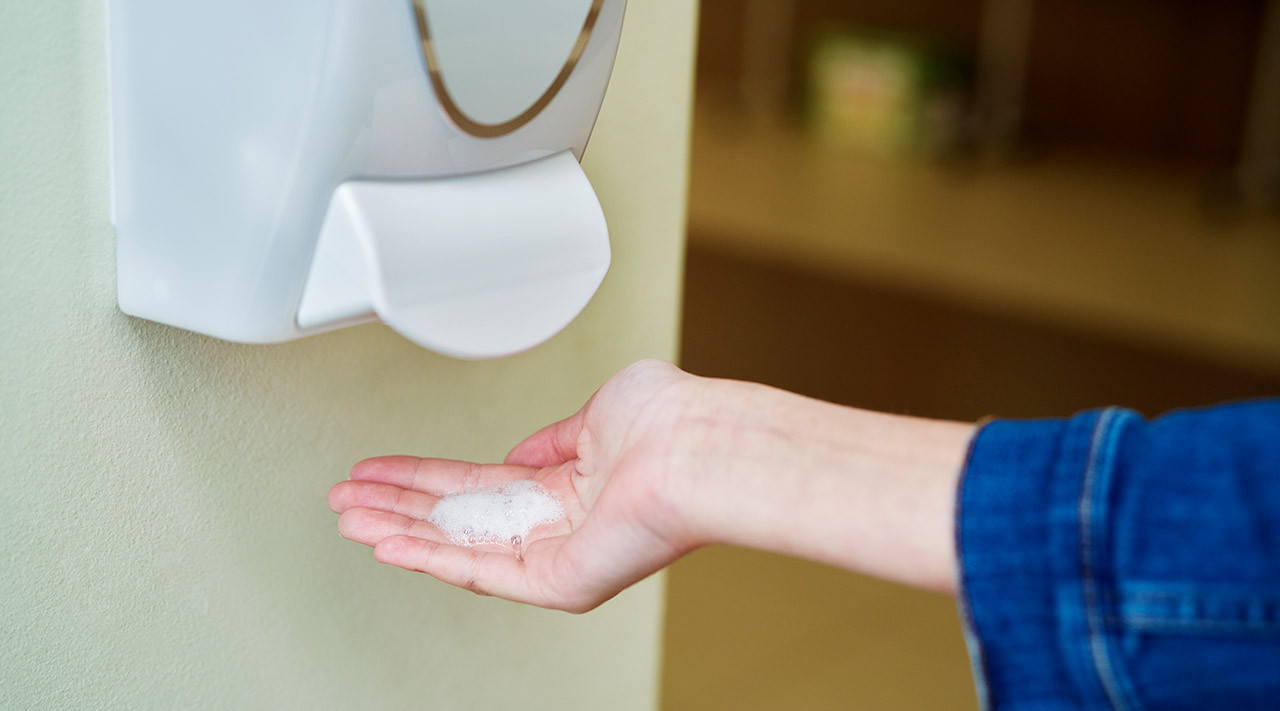
Poor dispenser placement creates problems you deal with daily: soap puddles on floors, ADA compliance risks, and maintenance staff constantly mopping up drips. The good news? These issues are preventable with the right installation approach.
Why Dispenser Placement Matters More Than You Think
Where you mount your soap and sanitizer dispensers affects everything from slip-and-fall liability to daily cleaning time. Dispensers installed too high violate ADA requirements. Dispensers mounted in the wrong spot create traffic bottlenecks. And dispensers without proper drip management leave your maintenance team playing catch-up all day.
Getting placement right the first time saves thousands in labor costs, prevents compliance violations, and keeps your facilities safer.
Quick Facts: ADA-Compliant Heights
ADA Standards for Accessible Design (Section 308) specify exact requirements for dispenser placement:
• Unobstructed wall mounting: 48 inches maximum from floor to operating mechanism
• Over counters 20-25 inches deep: 44 inches maximum height
• Clear floor space: 30 × 48 inches for wheelchair approach
Measure to the operating mechanism (pump, button, or sensor zone)—not the top of the dispenser housing. This common mistake leads to compliance issues even when installers think they've followed the rules.
Placement for Better Traffic Flow
Research shows that even small increases in distance to handwashing facilities reduce compliance rates. Position soap dispensers within 12-18 inches of each sink's centerline to maximize usage and minimize water drips onto the floors.
For hand sanitizer, entry and exit points work well—they catch users who skip the sink entirely and provide quick sanitization without entering stalls.

The Drip Problem (And How to Solve It)
Wall-mounted dispensers drip. Users overpump. Sensors misfire. The result is soap and sanitizer puddles that create slip hazards and require constant mopping.
Drip trays are the simplest fix—they catch excess product before it hits the floor, reducing cleanup time and protecting flooring from alcohol damage. Pre-measured automatic dispensers (dispensing exactly 0.4ml per activation) also help by eliminating overpumping.
Get the Complete Guide
We've put together a comprehensive placement guide covering everything facility managers need to know about soap and sanitizer dispenser installation:
• Complete ADA height requirements with diagrams
• Traffic flow analysis methods for your specific layout
• Facility-specific recommendations (healthcare, fitness, schools, food service)
• Drip prevention solutions and maintenance schedules
• Cost analysis: prevention vs. cleaning drips
• Step-by-step installation checklist
[DOWNLOAD: Soap & Hand Sanitizer Dispenser Placement Guide – PDF]

Ready to Upgrade Your Dispensers?
The dispenser you choose plays a critical role in hygiene, user compliance, and overall facility maintenance. As outlined in our guide, choosing the right hand dispenser can significantly impact sanitation standards, user experience, and operational efficiency.
Explore Zogics' commercial soap and sanitizer dispensers:
• Touchless Automatic Gel Dispensers – Pre-measured dispensing reduces waste and drips
• Touchless Foam Soap Dispensers – Touch-free operation for improved hygiene
• Floor Stand Sanitizer Dispensers – Portable placement with built-in drip trays