Help Center

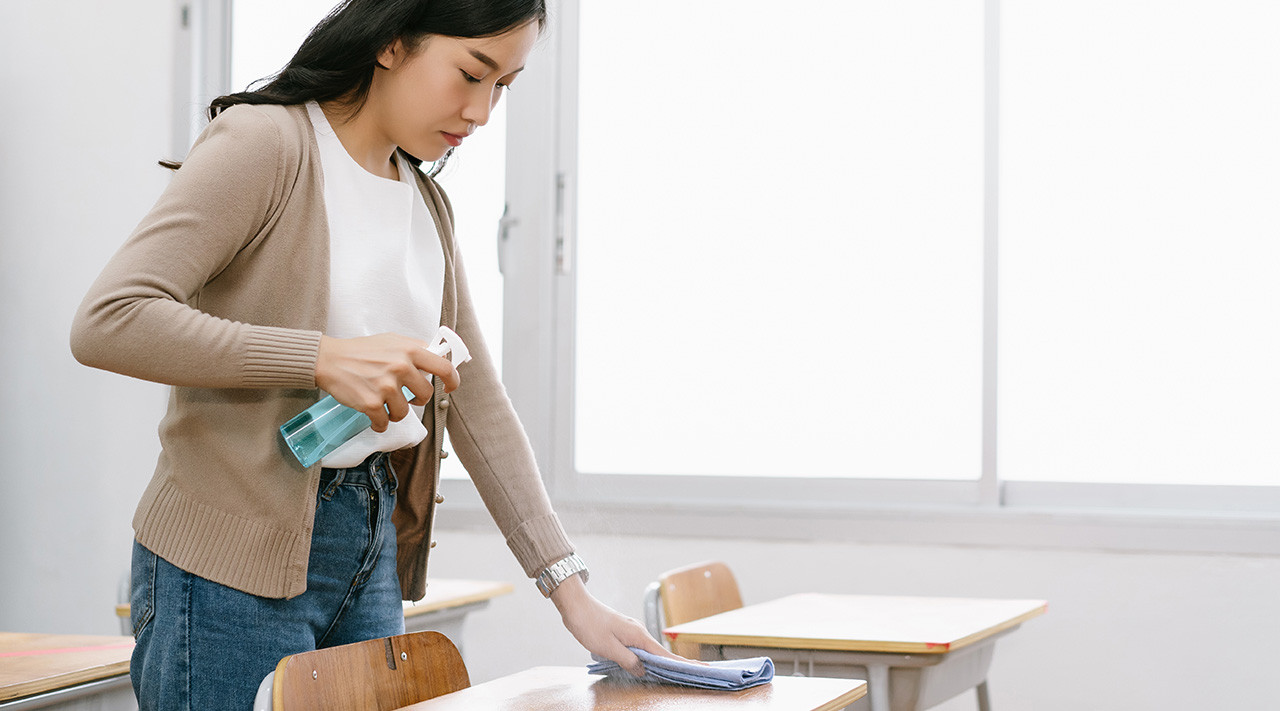
A fresh, clean school environment sets the tone for a successful academic year. After a busy summer filled with sports, camps, and community activities, classrooms and common areas need extra care to ensure a healthy return for students and staff.
The U.S. Environmental Protection Agency (EPA) emphasizes that regular cleaning and disinfection reduce the spread of germs and allergens, creating a safe learning space. This 2025 Back-to-School Cleaning Checklist provides step-by-step guidance for every area of your facility, so you can confidently welcome students back to a spotless, sanitized campus.

1. Classroom Deep Cleaning
Classrooms are high-traffic zones where students spend most of their day. Desks, technology, and shared materials all require systematic cleaning to prevent germs from spreading.
Essential Cleaning Tasks:
• Dust from top to bottom – Include vents, ceiling fans, and high shelving.
• Disinfect high-touch surfaces – Wipe down desks, chairs, door handles, and light switches.
• Clean technology equipment – Use electronics-safe wipes for tablets, keyboards, and touchscreens.
• Address flooring needs – Vacuum carpets, mop hard floors, and consider deep carpet extraction.
• Sanitize storage areas – Empty cubbies, lockers, and cabinets.
• Wash windows and treatments – Clean glass, sills, and dust blinds.
Recommended Tools & Supplies:
• Microfiber cloths & mops (trap dust and bacteria effectively)
• EPA-approved disinfectants (safe for classrooms)
• Electronics-safe wipes for screens and keyboards
• HEPA vacuum or carpet extractor for deep cleaning
Pro Tip: Implement a daily, weekly, and monthly cleaning schedule to keep classrooms consistently sanitary. During school breaks, schedule deep cleans for floors, tech, and storage areas.
2. Restroom Sanitization
Restrooms are the highest-risk areas for germ transmission in any school. Proper disinfection protocols are non-negotiable for student health.
Essential Cleaning Tasks:
• Empty and disinfect trash bins
• Clean and disinfect toilets, urinals, and stall handles
• Wipe sinks, faucets, and countertops
• Restock toilet paper, soap, and paper towels
• Mop floors with disinfectant in a figure-eight pattern to reduce contamination
• Disinfect partitions, walls, and vents regularly
Key Supplies:
• Color-coded microfiber cloths (yellow for surfaces, red for toilets)
• Electrostatic sprayers for full-surface disinfection
• EPA-approved restroom disinfectants
• Long-handled toilet brushes & safety gloves
Cleaning Frequency:
• Daily: Full restroom cleaning & supply restocking
• Weekly: Deep cleaning of walls, vents, and partitions
• Monthly: Deep sanitize bins, grout, and hard-to-reach areas
Tip: Color-coded tools help prevent cross-contamination, protecting both custodians and students.
Stock up on: Restroom Cleaning Products

3. Floor and Carpet Care
School floors endure constant foot traffic, spills, and dirt. Each surface type—vinyl, tile, carpet—requires specialized care to extend lifespan and ensure safety.
Hard Floor Maintenance:
• Sweep or dust mop daily to remove debris
• Mop with a neutral pH cleaner to prevent damage
• Buff and burnish vinyl floors weekly to maintain shine
• Strip and refinish VCT floors annually for protection
Carpet Care:
• Vacuum daily with HEPA filtration to capture allergens
• Spot clean spills immediately
• Schedule deep extraction cleaning during breaks
• Place entry mats to reduce dirt and moisture
Equipment Recommendations:
• Floor scrubbers for deep cleaning
• HEPA vacuums to reduce airborne allergens
• Carpet extractors for seasonal deep cleans
Best Practice: Follow the D.I.R.T. method – Daily care, Interim solutions, Restorative care, and Targeted spot treatment – to maximize floor longevity.
Explore: Commercial Floor Care Products
4. Windows and Lighting Fixtures
Natural light and clean fixtures enhance student focus, mood, and overall classroom performance.
Key Tasks:
• Clean windows, glass partitions, and trophy cases
• Remove smudges and fingerprints daily
• Dust light fixtures and switch plates
• Clean high fixtures and skylights during breaks
Best Tools:
• Microfiber cloths and squeegees for streak-free glass
• Extension poles for high windows
• Dusters to prevent dust buildup on lights
Pro Tip: For streak and residue-free cleaning of windows and light fixtures, use Zogics Ammonia-Free Glass Cleaner. Avoid harsh alternatives.

5. Playgrounds and Common Areas
Playgrounds and shared spaces need both sanitation and safety checks to keep students healthy and injury-free.
Cleaning & Safety Checklist:
• Remove litter and debris weekly
• Sanitize high-touch surfaces (slides, swings, railings)
• Inspect for loose bolts or sharp edges
• Check playground surfacing for wear or displacement
• Sweep and disinfect high-traffic indoor areas
Recommended Tools:
• Soft brushes and mild soap for outdoor equipment
• HEPA vacuums and wet/dry vacs for indoor common spaces
• Documentation tools for recording inspections and maintenance
Schedule:
• Weekly: Remove debris and sanitize surfaces
• Quarterly: Full safety inspection and surface deep cleaning
• Annually: Deep clean all equipment and replace damaged parts
Back-to-School Cleaning Comparison Table

A Clean School is a Healthy School
A well-structured back-to-school cleaning plan does more than create a sparkling facility—it promotes better health, reduces absenteeism, and fosters an environment where students can thrive.
By combining daily cleaning, periodic deep sanitization, and seasonal maintenance, you’ll ensure your school is consistently prepared for the challenges of a busy academic year.
Equip your maintenance team with the right tools and supplies, and you’ll not only protect your staff and students but also extend the life of your facility.
Ready to Stock Up?
Explore our full range of EPA-approved disinfectants, HEPA vacuums, and floor care products to streamline your back-to-school cleaning checklist.