





Indoor turf is an excellent addition to any fitness facility, but knowing how to keep turf clean is key to getting the most out of it. This durable and versatile surface lets you mimic outdoor activities indoors—an especially big advantage for gyms and facilities in areas with intense seasonal weather.
Understanding the best way to clean turf helps maintain its performance, longevity, and appearance. Plus, you get the look of a fresh lawn without the maintenance, especially when you know how to clean turf properly.
The Indoor Turf Advantage: How to Keep It Clean and Safe for Your Gym Members
However, to keep your indoor artificial grass turf in tip-top shape and your gym members safe, regular upkeep is essential. With sweat and grime being exposed to the surface every day, the turf is likely to collect bacteria if it isn't regularly cleaned. Therefore, in this article, we will discuss how to clean your indoor turf effectively, including everyday maintenance and scheduled deep cleaning.
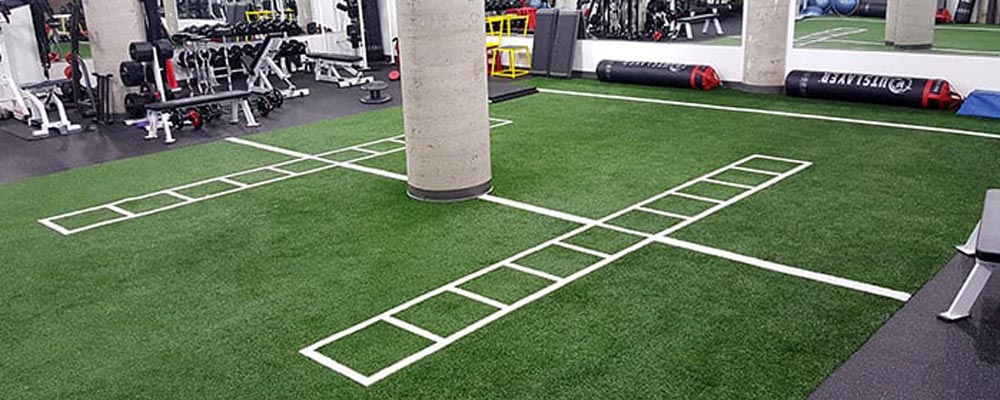
Best Way to Clean Turf
For facility owners, the best way to clean turf is a combination of routine maintenance and periodic deep cleaning that keeps surfaces safe, hygienic, and high-performing for athletes and members. Indoor turf sees constant foot traffic, sweat, chalk, and equipment movement—so a structured cleaning process is essential.
1. Start With Daily Debris Removal
Begin by removing loose dirt, dust, and debris using a turf rake or stiff brush. This prevents material from settling deep into the fibers and extends the life of the turf.
2. Use a Disinfectant Designed for Fitness Facilities
To maintain a hygienic training surface, apply a Zogics disinfectant solution compatible with synthetic turf. Our disinfectant concentrates and ready-to-use sprays help eliminate bacteria, sweat residue, and odors without damaging turf fibers.
3. Deep Clean With a Neutral pH Cleaner
For weekly or bi-weekly maintenance, mop or lightly scrub the turf with a neutral pH floor cleaner, such as Zogics Floor & Turf Cleaner, to break down grime while preserving the texture and color of the turf.
4. Brush the Turf to Restore Fiber Lift
After cleaning, brush the turf against the grain to maintain thickness, traction, and a natural look. This is especially important in gyms with sled pulls or heavy foot traffic.
5. Ensure Proper Drying
Always allow the surface to fully dry before reopening the area. This prevents moisture buildup and prolongs the life of the adhesive backing beneath the turf.
Using the right products and a consistent cleaning routine not only keeps your turf looking new but also creates a safer, more sanitary training environment—something every facility owner can benefit from.
Everyday Maintenance for Indoor Turf
Indoor turf should be a part of your daily cleaning routine. You don’t need to do a deep cleaning every day, but you should remove stains and debris to prevent the buildup of grime. Here are the steps for everyday indoor turf maintenance:
Step 1: Remove debris. Use a flexible non-metal rake or broom to pick up large bits of debris. Vacuum the turf as you would carpeting to pick up surface soil.
Step 2: Brush any flattened grass areas against the grain to push the bristles back up. This step helps to keep the turf looking fresh and new.
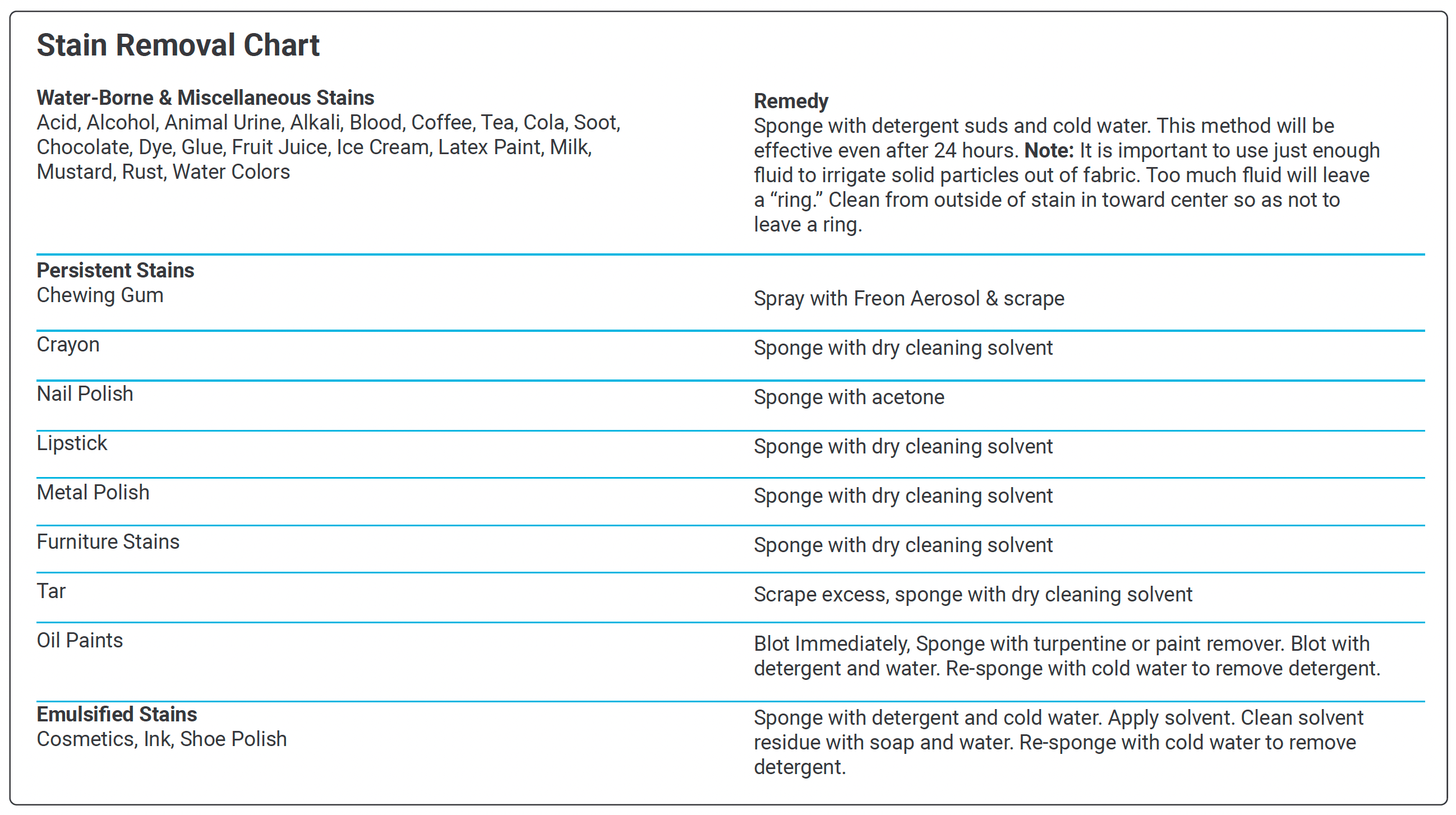
Step 3: Spot clean any stains or messes. You can use this cleaning chart for removing common indoor turf stains to get rid of any tough stains.
Scheduled Deep Cleaning and Disinfecting Artificial Turf
It's important to schedule a deep cleaning for your indoor artificial turf at least once a month. This will include the same steps as everyday maintenance, plus a focus on disinfecting the surface and checking for uneven areas. Here are the steps for deep cleaning:
Step 1: Remove debris. Use a flexible non-metal rake or broom to pick up large bits of debris. Vacuum the turf as you would carpeting to pick up surface soil.
Step 2: Brush any flattened grass areas against the grain to push the bristles back up
Step 3: Spot clean any stains or messes.
Step 4: Apply a surface disinfectant to the turf using an electrostatic sprayer. We recommend using the Protexus electrostatic sprayer and Vital Oxide disinfectant for effective disinfection.
Step 5: Inspect the surface for any uneven areas or seams. Uneven distribution of the infill is potentially dangerous to users because it can cause them to trip.
How to Clean Artificial Grass
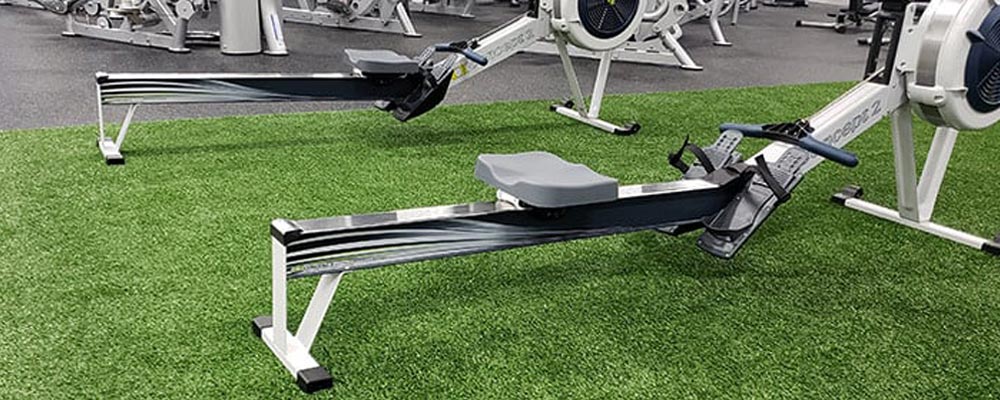
Cleaning artificial grass follows many of the same principles as maintaining indoor turf, but with a few key differences. Since artificial grass is designed to mimic the look and feel of natural lawn, regular upkeep is essential to keep the fibers standing upright and free from debris.
Basic Steps to Clean Artificial Grass
• Remove Debris: Start by clearing leaves, dust, and dirt using a turf rake or stiff broom. This prevents buildup that can flatten the blades over time.
• Rinse the Surface: A light rinse with clean water helps wash away sweat, spills, and fine particles—ideal for gyms, training centers, or indoor fields.
• Spot-Clean Stains: For any sticky spots or spills, use a mild soap and water solution. Gently scrub the area, then rinse thoroughly.
• Brush the Fibers: To keep the turf looking fresh, brush against the grain to lift the blades and maintain a natural, upright appearance.
Keeping artificial grass clean ensures better traction, hygiene, and long-term durability while preserving the realistic look that facilities and athletes prefer.
Turf That Lasts
Your indoor sports turf is a long-term addition to your gym, so treat it like one. Being low-maintenance, using indoor turf won't cost you an arm and a leg or break any backs cleaning. If you treat your turf right, you'll have a lasting flooring solution. Therefore, it's important to follow the everyday maintenance and scheduled deep cleaning protocols to keep your indoor turf clean, safe, and in top condition for your gym members.
For more information on indoor turf, check out our blog post on the ultimate guide to indoor turf.