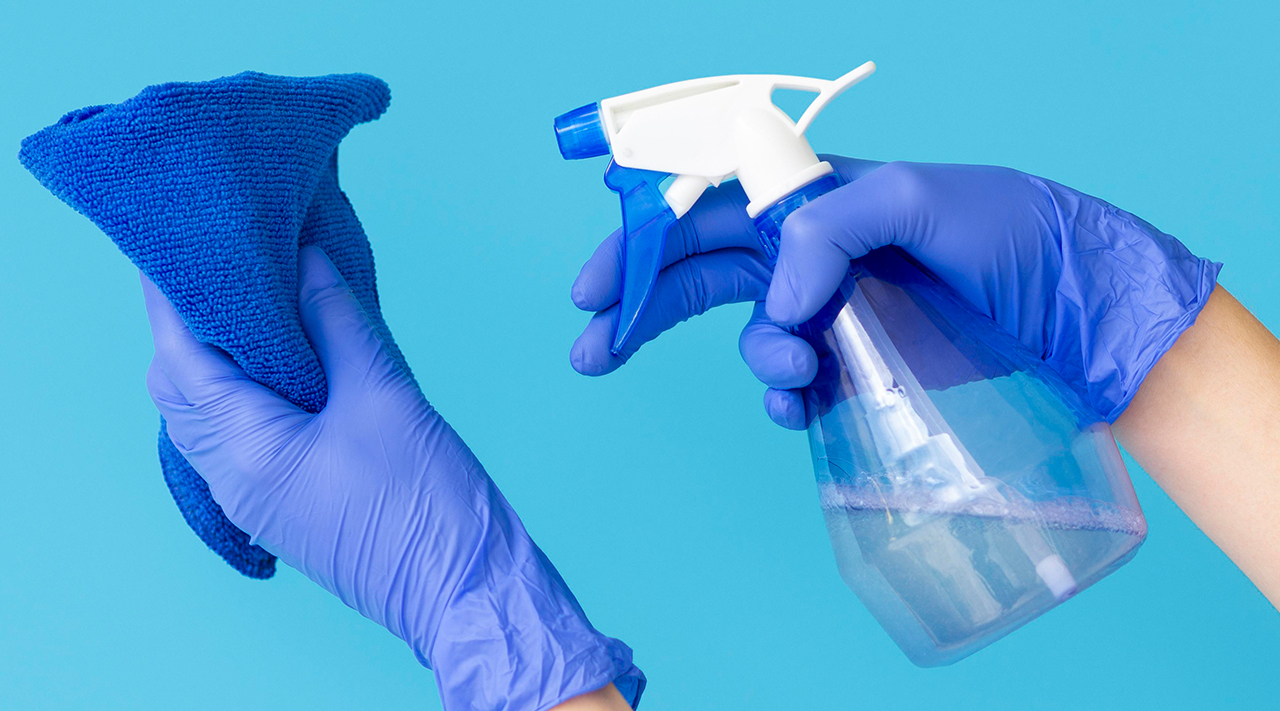


Microfiber cloths are essential tools for effective cleaning, but keeping them truly hygienic requires proper care. Knowing how to disinfect microfiber cloths ensures they stay free from bacteria and continue performing at their best.
In this guide, we’ll explain the best way to clean microfiber cloths, including when to wash, how to sanitize them safely, and what products to avoid, so your cleaning routine remains both effective and germ-free.
Cleaning vs. Sanitizing vs. Disinfecting: Differences When Disinfecting Microfiber Cloths
Understanding the difference between cleaning, sanitizing, and disinfecting is key to keeping microfiber cloths effective and hygienic. Each process plays a unique role in maintaining both cleanliness and longevity.
1. Cleaning
Cleaning focuses on removing visible dirt, dust, and debris from microfiber cloths.
-
It doesn’t kill germs but physically removes them from the fibers.
-
Use warm water and a mild detergent to wash away residues after each use.
-
Avoid fabric softeners or bleach, which can damage the fibers and reduce absorbency.
When to do it: After every use or daily if used for routine surface cleaning.
2. Sanitizing
Sanitizing reduces the number of bacteria on microfiber cloths to safe levels as defined by public health standards.
-
This step targets bacteria but not all viruses or spores.
-
You can sanitize by washing in hot water (above 160°F / 70°C) or using a sanitizer-safe laundry additive.
-
Always rinse thoroughly to maintain fiber performance.
When to do it: Regularly, especially for cloths used in kitchens, gyms, or other high-touch environments.
3. Disinfecting
Disinfecting goes one step further, it kills nearly all pathogens, including bacteria and viruses, on the cloth.
-
Use an approved disinfectant compatible with microfiber materials.
-
Never soak cloths in bleach unless the manufacturer confirms it’s safe (many microfibers degrade in bleach).
-
Allow proper contact time, then rinse and air dry completely.
When to do it: Weekly, or after cleaning contaminated or high-risk areas such as restrooms or healthcare settings.
How to Clean Microfiber Cloths
Properly cleaning microfiber cloths is essential to maintain their performance, hygiene, and lifespan. Because of their unique fiber structure, microfiber cloths require specific care to remove dirt, prevent bacteria buildup, and stay effective over time.
Here’s a simple breakdown of how to clean them correctly.
- Understand what microfiber cloths are made of.
Microfiber cloths are made from millions of ultra-fine synthetic fibers—about one-fifth the width of a human hair—which gives them exceptional cleaning power. - Know why they trap dirt so effectively.
The dense fiber structure creates a large surface area that captures dust, dirt, and debris, often reducing the need for chemical cleaners. - Be aware of bacteria buildup.
Because microfiber traps particles so well, it can also retain bacteria and microbes after use, making proper cleaning essential. - Clean using two key steps: washing and disinfecting.
Washing removes visible dirt and residue, while disinfecting helps kill or neutralize germs left in the fibers. - Maintain microfiber to extend its lifespan.
Proper care keeps microfiber cloths performing at their best and ensures you get the most value from each use.
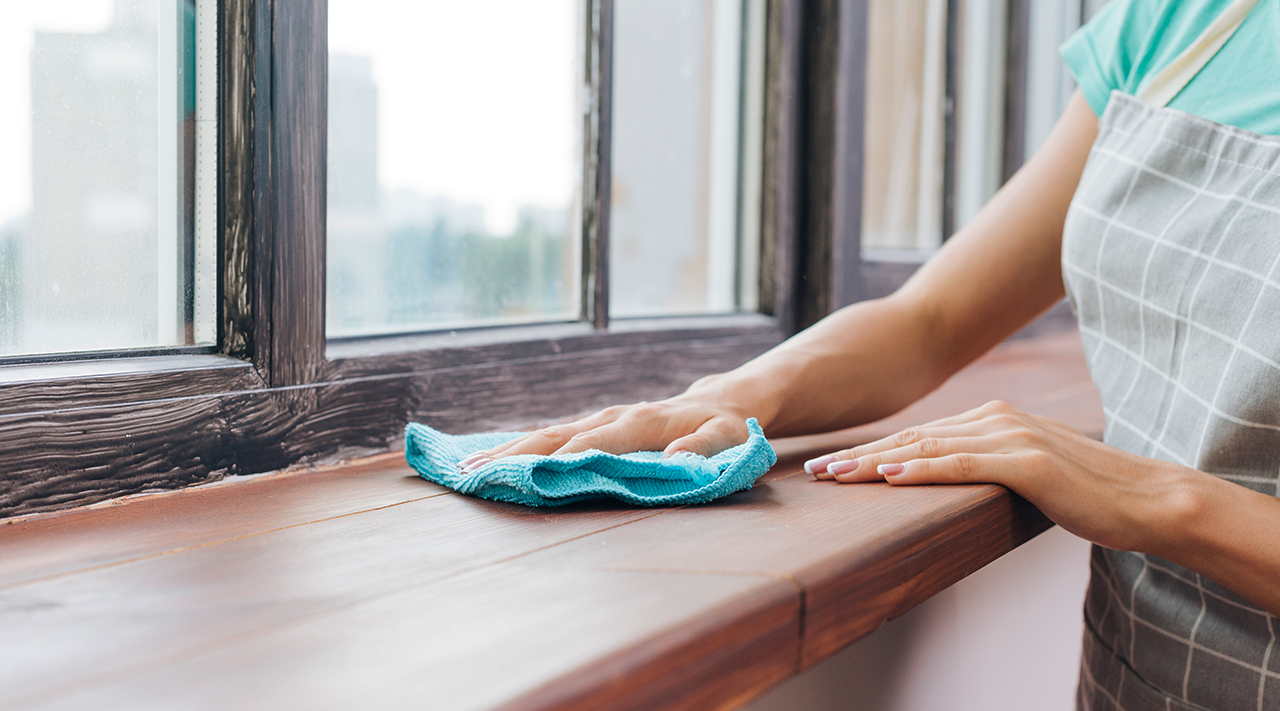
How to Disinfect Microfiber Cloths: Step-by-Step
Here's a step-by-step guide simplifying how to sterilize cleaning cloths:
- Shake off any loose dirt from the cloth.
- Prepare a solution of warm water (140°F) and mild detergent.
- Saturate the cloth completely in the cleaning solution.
- Allow it to soak for about half an hour.
- Rinse thoroughly until all detergent is flushed away, then air dry.
Follow this process diligently each time to ensure maximum hygiene and the prolonged lifespan of your microfibers!
Maintaining the Quality of Your Microfiber Cloths Over Time
Disinfecting your microfiber cloths is undoubtedly crucial, but understanding how to maintain their condition over time is equally important. Ensuring longevity will not only save you money but also contribute to a sustainable lifestyle.
Mindful Usage
Remember that these delicate textiles are not suitable for all surfaces or jobs around the house. For example, microfiber cloths are not ideal for sharp edges or rough surfaces as they may tear.
Wash Responsibly
To wash your microfibers effectively:
• Separate them from other laundry items. Washing them with regular clothes can result in lint build-up.
• Use a mild detergent without bleach or fabric softener as such additives might destroy the unique fibers' effectiveness.
• Selecting a lower temperature setting on your washing machine preserves their integrity.
Correct Drying Practice
Correct drying practices are critical to keep the cloth sturdy over repeat uses:
• Letting them air dry naturally is usually the best approach.
• If using a dryer, adhere to low heat settings.
Storing Away Safely
After they're thoroughly dried out (to avoid bacterial growth), store these cloths safely away from dust and dirt so they'll be ready for efficient cleaning when needed next.
Advanced Care Instructions
Maintaining microfiber cloths for extended use and maximum effectiveness is no small task. With the right knowledge, you can easily preserve these essential cleaning tools for a considerable amount of time. Avoid mixing microfiber cloths with other fabrics during washing, and always opt for a gentle cycle and mild detergent. Post-wash measures such as air drying are crucial to maintaining the quality of your cloths.
Common Mistakes to Avoid When Cleaning Microfiber Cloths
Avoid washing microfiber cloths with other fabrics to prevent lint buildup. Refrain from using bleach or fabric softeners, and avoid high heat during drying to prevent fiber damage.
Now that you're aware of these common errors while attempting to sanitize your microfiber cloths keep them in mind throughout your cleaning cycle —your goal after all is safeguarding—and prolonging—the usability and hygiene of these versatile tools in our everyday lives!
Soak them in warm water with mild detergent for at least 15 minutes, then rinse thoroughly and air dry completely.
Yes. A diluted white vinegar solution can help cut through buildup and freshen microfiber. After washing, rinse thoroughly and let the cloths dry completely to avoid lingering odor.
To sterilize cloths, use a bleach-free laundry sanitizer (following label instructions) or an appropriate surface disinfectant that’s safe for microfiber. Always rinse well afterward to protect the fibers.
Wash microfiber cloths separately on a gentle cycle with warm-to-hot water (based on manufacturer guidance) and a mild detergent. Avoid fabric softener and high heat. Air dry or tumble dry on low/no heat.
With proper care, microfiber cloths can last roughly 500 to 1,000 washes. Lifespan varies based on how they’re used, washed, and dried.
Rinse after use, wash separately to avoid lint transfer, use mild detergent, skip fabric softener and bleach, and dry on low/no heat or air dry to protect the fibers.