Help Center

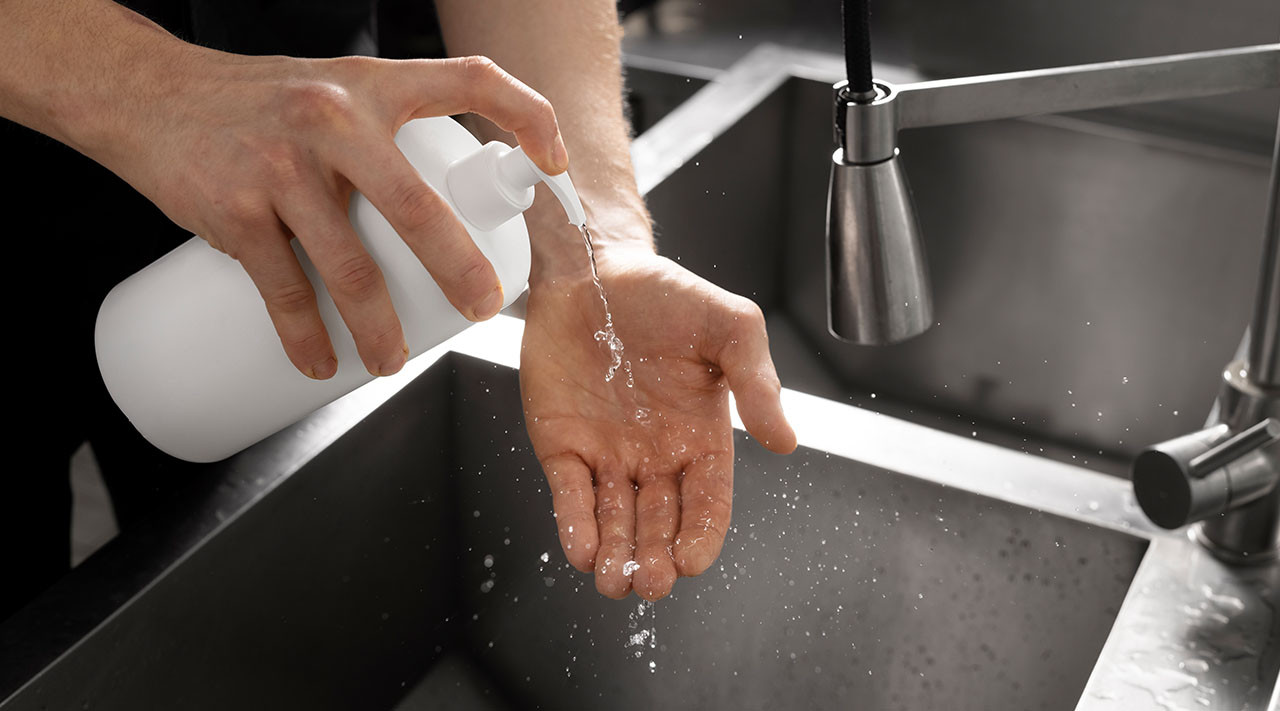
In today's business world, hygiene isn't just a matter of personal cleanliness; it's a critical factor in ensuring the health and safety of employees, customers, and guests. Antimicrobial soap plays a pivotal role in commercial hygiene, especially in environments where infection risks are heightened. From hospitals to restaurants, the need for effective hygiene solutions is growing. According to experts, the global antibacterial soap market is projected to grow from $3.7 billion in 2020 to $6.9 billion by 2030. This highlights the increasing demand for antimicrobial products in maintaining safe and clean business environments.
Why Antimicrobial Soap is Crucial for Commercial Hygiene
The Importance of Hygiene in Commercial Environments
Good hygiene serves as the first line of defense against infections, particularly in industries like healthcare, food service, and hospitality. The COVID-19 pandemic emphasized just how vital proper hygiene is in preventing the spread of diseases. Antimicrobial cleaners have become a standard practice in these settings, offering enhanced protection for both employees and customers. In healthcare, food preparation, and high-traffic areas, soap helps minimize infection risks, making it indispensable for businesses.
What Makes Antimicrobial Products Different?
Antimicrobial cleaners are enhanced products designed to fight a broad range of harmful microorganisms, including bacteria, viruses, fungi, and parasites. Unlike regular cleaning agents, these solutions continue to work even after use, providing extended protection in environments where germs are persistent. Available in liquid, foam, or gel forms, antimicrobial solutions offer various options suited to your business needs.
The Growing Need for Antimicrobial Products
With the rise of drug-resistant bacteria and an increase in infectious diseases, the demand for effective hygiene products is more pressing than ever. In healthcare settings, hand soaps are essential for preventing hospital-acquired infections, and safeguarding both patients and staff. In the business world, adopting better hygiene practices means fewer sick days and reduced healthcare costs. As awareness of hygiene has grown since the pandemic, many businesses are creating new, effective, and skin-friendly products that are also environmentally conscious.
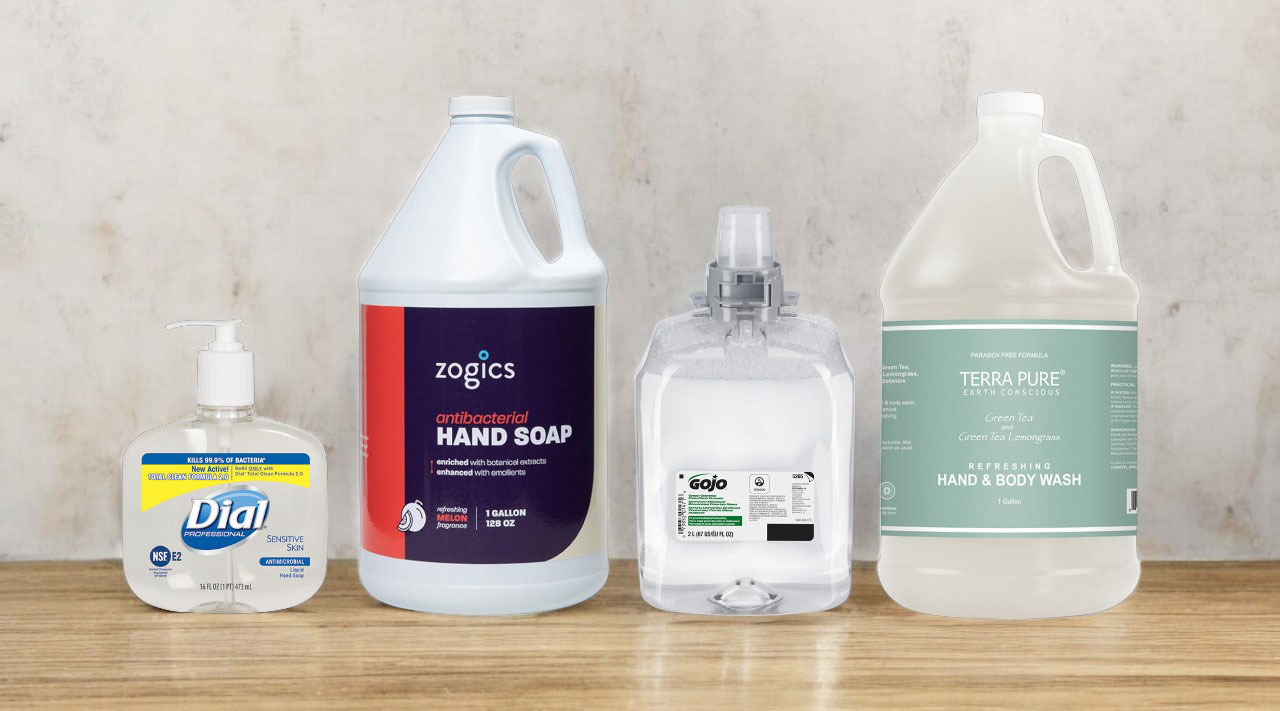
The Science Behind Antimicrobial Cleaners
How Do Antimicrobial Agents Work?
Antimicrobial agents act like tiny warriors, targeting and eliminating harmful microorganisms. These agents either disrupt the cell walls of germs or prevent them from multiplying. Ingredients like alcohol and chlorine provide quick action, while others, such as triclosan and benzalkonium chloride, offer long-lasting protection. With technological advances, modern antimicrobial solutions are becoming more effective and gentler on the skin.
Antimicrobial vs. Antibacterial Soap: What’s the Difference?
It's important to note that antimicrobial and antibacterial soaps are not the same. Antimicrobial products combat a wide range of germs—bacteria, viruses, fungi, and parasites—while antibacterial soaps are specifically designed to target bacteria. In settings like hospitals, antimicrobial soaps are more effective because they protect against a variety of pathogens, making them an all-in-one solution. On the other hand, antibacterial soaps focus solely on bacterial control.
How Antimicrobial Soap Differs from Regular Soap
Regular soap simply washes away dirt and germs, whereas antimicrobial soap actively kills or prevents the growth of harmful microorganisms. Studies show that antibacterial soap can reduce hand bacteria by 70-80% more than regular soap, especially when handling food. However, the FDA notes that for general use, regular soap and water can be just as effective as antibacterial soaps. The key is using the right soap for the environment and specific needs of your business.
Benefits of Using Antimicrobial Products in Commercial Environments
• Improving Infection Control and Prevention
Hand soaps are crucial tools in infection control, particularly in healthcare settings where hygiene can save lives. These soaps don't just clean; they actively kill harmful pathogens, making them essential in any infection control strategy. Businesses that use antimicrobial products see improvements in hygiene standards, helping protect employees and customers alike.
• Reducing the Spread of Viruses and Bacteria
In high-traffic areas such as schools, hospitals, and restaurants, antimicrobial soaps are invaluable. They target a wide range of germs, helping to break the chain of infection. According to CDC research, proper handwashing with soap can reduce 30% of diarrhea-related sicknesses and about 20% of respiratory infections (e.g., colds). This highlights the importance of good hand hygiene, especially in healthcare environments where preventing infections can save lives.
• Raising Hygiene Standards Across Industries
Integrating hand soaps into your cleaning routine doesn’t just help fight germs—it fosters a culture of cleanliness. By prioritizing hygiene, businesses demonstrate to both customers and employees that health and safety come first. Some companies are even developing specialized antimicrobial soaps tailored to the unique challenges of specific industries, making it easier for staff to maintain consistent hygiene practices.
Implementing Antimicrobial Products in Your Business
Where to Use Antimicrobial Solutions
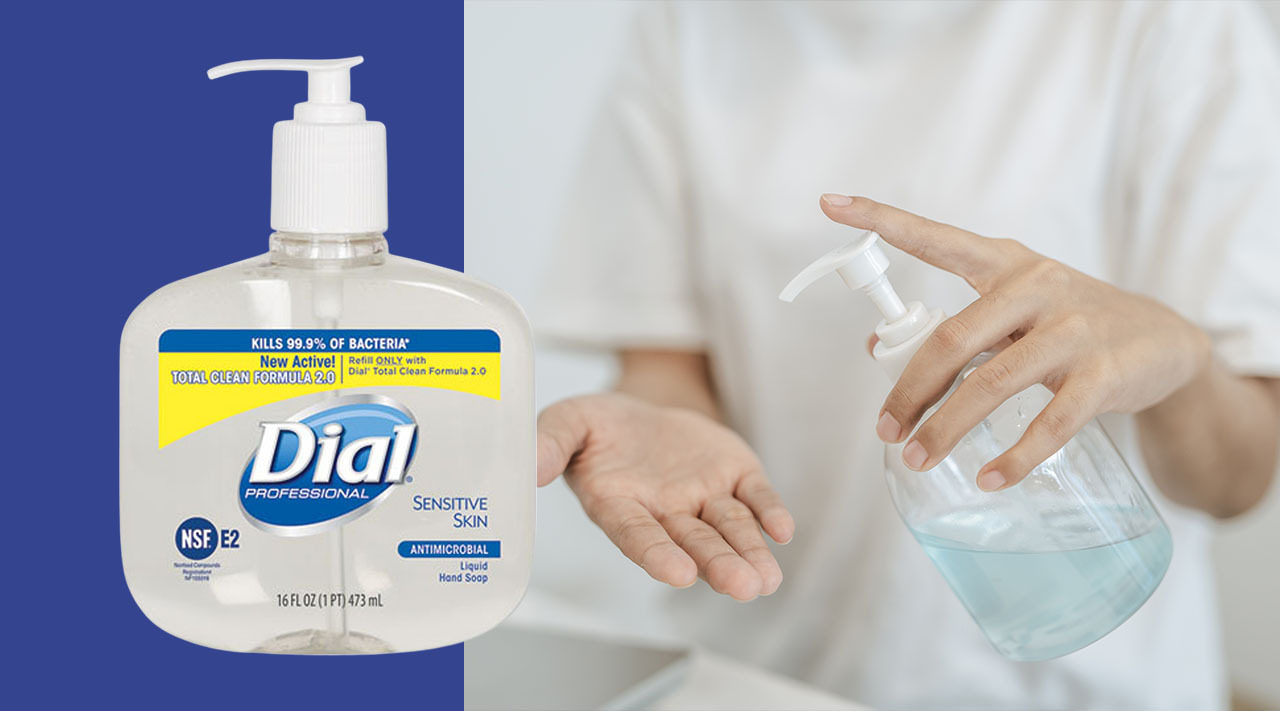
Antimicrobial products should be used in areas where infection risks are high—such as healthcare facilities, commercial kitchens, and places with heavy foot traffic. For instance, certain antimicrobial cleaners, such as those containing 0.13% Benzalkonium Chloride, are NSF E2 registered, making them safe and effective for use in restaurants. The key is identifying the areas within your business where these products will have the greatest impact.
Integrating Antimicrobial Soap into Your Hygiene Protocols
Adding hand soap to your cleaning routine doesn’t have to be complicated. Placing dispensers in strategic locations and providing clear usage instructions can go a long way. Many businesses are also incorporating technology, such as IoT-enabled dispensers, to track usage and remind employees to wash their hands. Regular checks help maintain hygiene standards and identify any issues early.
Staff Training and Compliance
Even the best antimicrobial soap won’t be effective if not used properly. Proper staff training is essential to ensure that everyone understands the importance of using antimicrobial soap and follows the correct procedures. Regular refresher courses and ongoing education help instill good hygiene practices across the business, ensuring a healthier work environment.
Challenges and Considerations
Potential Risks: Are There Any Downsides to Antimicrobial Products?
While antimicrobial soaps are highly effective, they aren't without their challenges. Some individuals may experience skin irritation, and overuse of these products could contribute to the development of resistant germs. The key is to choose gentle formulations and use hand soaps strategically to avoid potential issues.
Addressing Concerns Around Antibiotic Resistance
Antimicrobial soaps are not without controversy, especially in relation to antibiotic resistance. However, many new formulations are being developed to fight germs without contributing to resistance problems. It’s crucial to strike a balance between effective germ protection and long-term health considerations.
Cost Implications and Environmental Impact
Antimicrobial soaps can often be more expensive than regular soap, and some products may have a higher environmental impact. However, businesses are increasingly turning to eco-friendly formulas and sustainable packaging to address these concerns. Many companies find that investing in quality antimicrobial soaps leads to fewer sick days and healthier employees, making it a worthwhile investment.
Conclusion: Making Informed Hygiene Choices
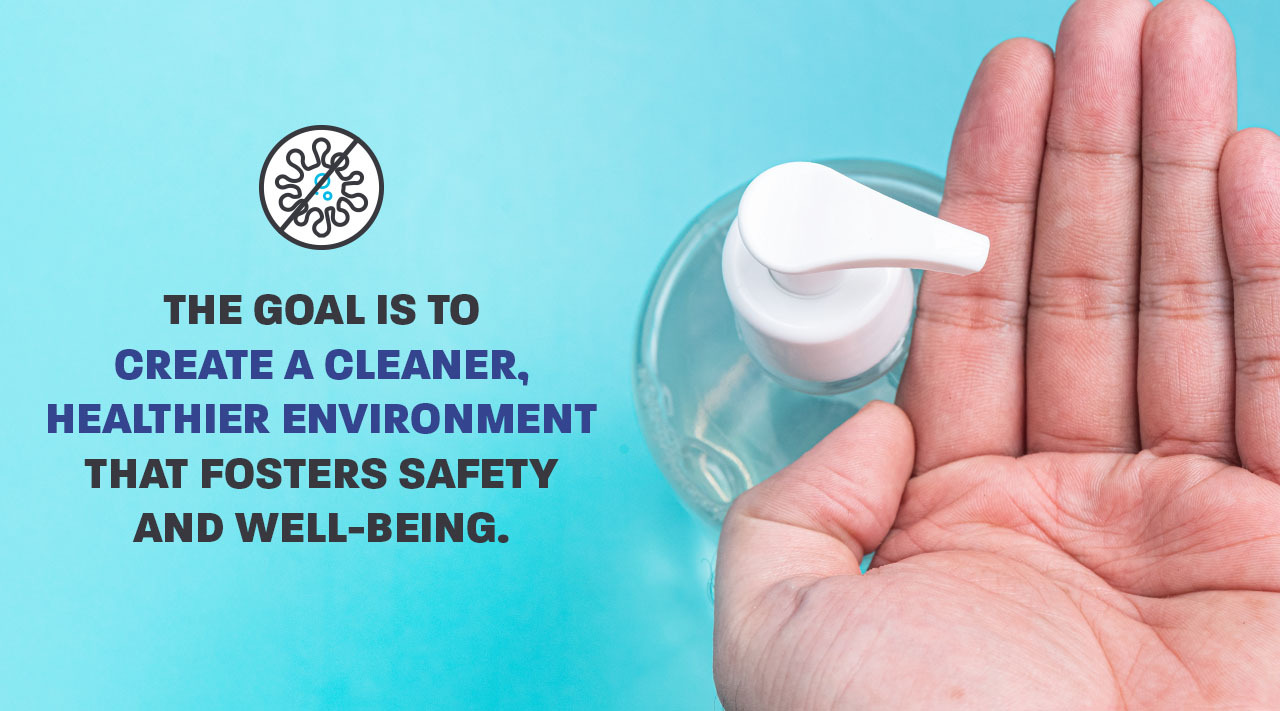
Selecting the right cleaning products for your business means considering a variety of factors, including the specific risks, budget, and environmental goals. By staying up-to-date with industry best practices and working with hygiene experts, you can make informed choices that protect your employees, customers, and business. Ultimately, the goal is to create a cleaner, healthier environment that fosters safety and well-being.
Looking Ahead: Future Trends in Antimicrobial Hygiene
The future of commercial hygiene is bright, with innovations making antimicrobial products smarter, safer, and more sustainable. From skin-friendly formulations to tech-enabled dispensers, the evolution of antimicrobial hygiene is helping businesses create safer, healthier spaces for everyone. As businesses continue to adapt to changing needs and expectations, antimicrobial hygiene practices will play a key role in fostering clean, safe environments.