Help Center


Walk into any professional cleaning closet and you'll likely see the same scene: a jumbled collection of mops, rags, and bottles that all end up looking identical after a few uses. Meanwhile, your facility managers are playing a dangerous guessing game—was this the mop from the restroom or the cafeteria? That microfiber cloth looks clean, but where exactly has it been?
Suppose you're managing a commercial facility, school, or wellness center. In that case, cross-contamination isn't just a buzzword—it's a real threat to your reputation, your bottom line, and most importantly, the health of everyone who walks through your doors. The solution? A color-coded cleaning system that takes the guesswork out of facility hygiene and transforms your cleaning operations from chaotic to controlled.
Why Your Facility Needs a Color-Coded System
Cross-contamination happens fast. In one field study using a harmless tracer virus, contaminating a single doorknob or tabletop led to detectable virus on 40–60% of sampled surfaces and on many workers’ hands within 2–4 hours. Separately, studies show that contaminated cleaning cloths and reused bucket solutions can move microbes between surfaces, underscoring the need for proper tool management and disinfectant practices. For facilities handling hundreds or thousands of visitors daily, that’s not just a statistic—it’s a clear operational risk.
The hidden costs of poor cleaning protocols extend far beyond the obvious health risks:
• Increased sick days among staff and facility users (studies show proper cleaning protocols can reduce illness-related absences by up to 40%)
• Equipment degradation from using the wrong cleaning products on sensitive surfaces
• Compliance failures during health inspections
• Reputation damage from visible cleaning mistakes or contamination incidents
• Wasted supplies from confusion, double-cleaning, and improper product use
But here's what facility managers often overlook: implementing a color-coded system isn't about adding complexity—it's about removing it. When every tool has a designated color for a specific area, your staff can work faster, make fewer mistakes, and maintain consistent standards even during shift changes or with new team members.
The Universal Color Code That Actually Works
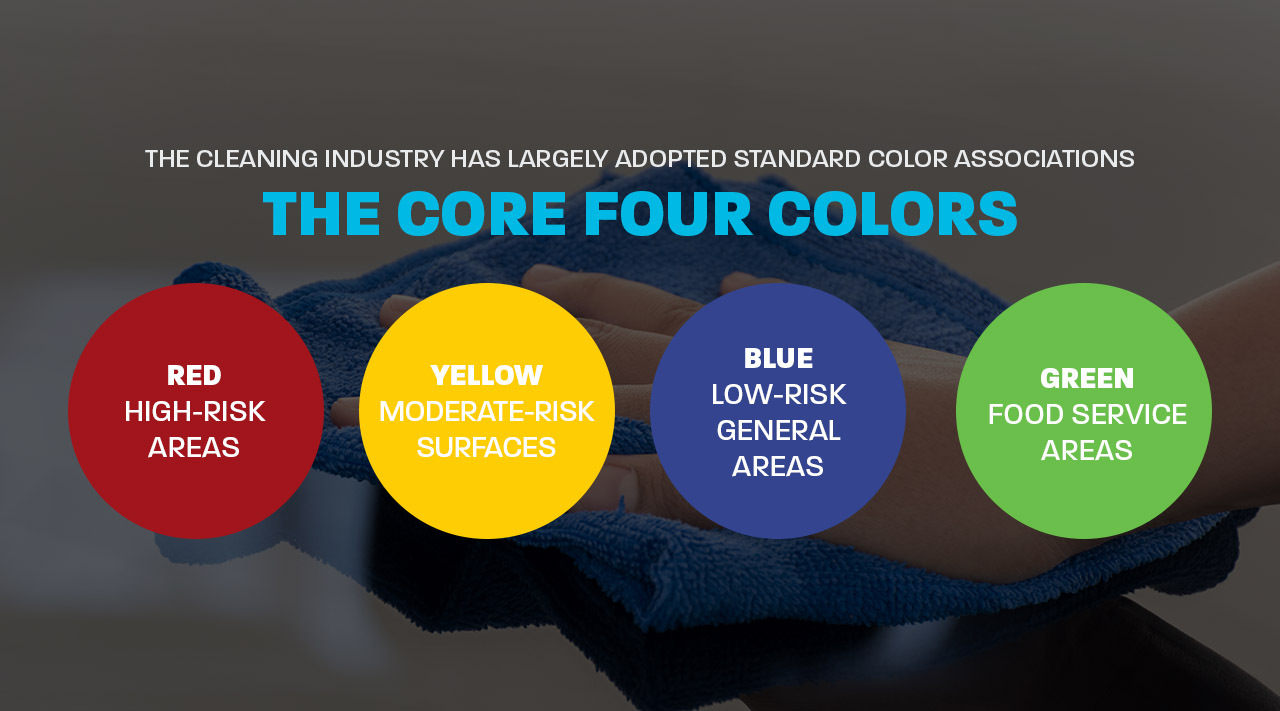
While there's no mandated color system, the cleaning industry has largely adopted standard color associations that make training intuitive and reduce errors. Here's the system that thousands of facilities rely on:
The Core Four Colors
Red: High-Risk Areas: Reserved exclusively for toilets, urinals, and high-contamination bathroom fixtures. Red means stop and think—these tools never leave the restroom.
Yellow: Moderate-Risk Surfaces: Designated for general restroom surfaces like sinks, countertops, mirrors, and door handles, yellow signals caution—clean but contained to bathroom areas.
Blue: Low-Risk General Areas: Used for general facility cleaning, including offices, hallways, windows, and common areas, blue represents your everyday, all-purpose cleaning zone.
Green: Food Service Areas: Specifically for kitchens, cafeterias, and food preparation surfaces. Green means go for food-safe cleaning.
Additional Colors for Specialized Needs
• Orange: For high-touch surfaces requiring frequent sanitization (especially relevant in today's health-conscious environment)
• White: Often reserved for clean room environments or specialized medical areas
• Gray or Black: Designated for outdoor areas or floor cleaning with our professional microfiber cloths
• Pink: Sometimes used for specialized areas like nurseries or sensitive equipment
Color-Coding Your Microfiber: Prevent Cross-Contamination with an Easy System for Schools
Schools present unique cleaning challenges with their diverse spaces—from science labs to cafeterias, gymnasiums to computer rooms. A properly implemented color-coded system for all cleaning tools—microfiber cloths, mop heads, spray bottles, and buckets—can transform school cleaning operations while protecting student health.
The School-Specific Setup
Classrooms and Libraries (Blue):
Use blue-coded microfiber cloths, mop heads, and spray bottles for desks, whiteboards, and general surfaces. Consistency across classrooms prevents the spread of germs and seasonal illnesses that can impact student attendance.
Restrooms (Red and Yellow):
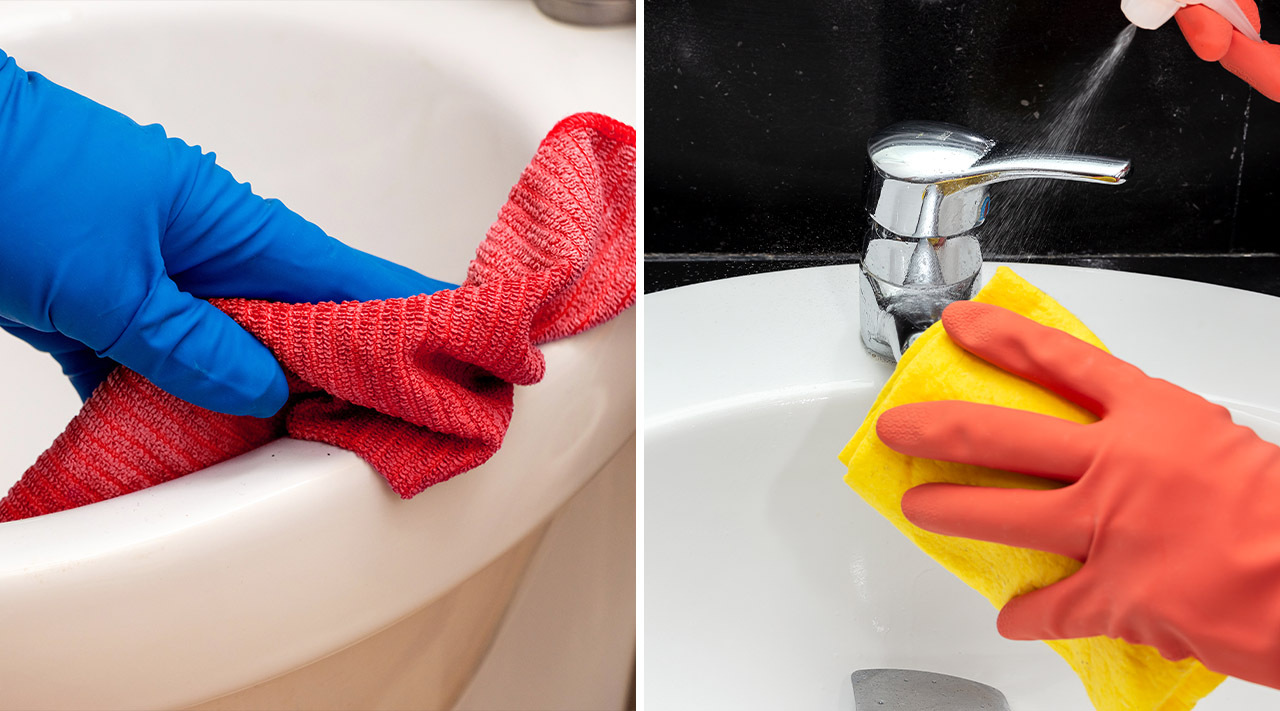
Adopt a two-color system:
• Red tools for toilets and urinals
• Yellow tools for sinks, mirrors, and partitions
This separation keeps high-contamination and general areas safely divided, reducing bacterial transfer.
Cafeterias and Food Areas (Green):
Designate green-coded cleaning supplies for food prep and dining spaces. Using the same tools for kitchens and other areas is a leading cause of foodborne illness—this simple system keeps food zones protected.
Gymnasiums and Athletic Facilities (Orange):
High-touch fitness equipment demands frequent sanitization. Pair orange-coded cleaning cloths with Zogics Antibacterial Gym and wall-mounted dispensers to encourage regular cleaning by staff and students alike.
Implementation Tips for Schools
• Create Visual Stations: Organize custodial closets with clearly labeled, color-coded supply areas.
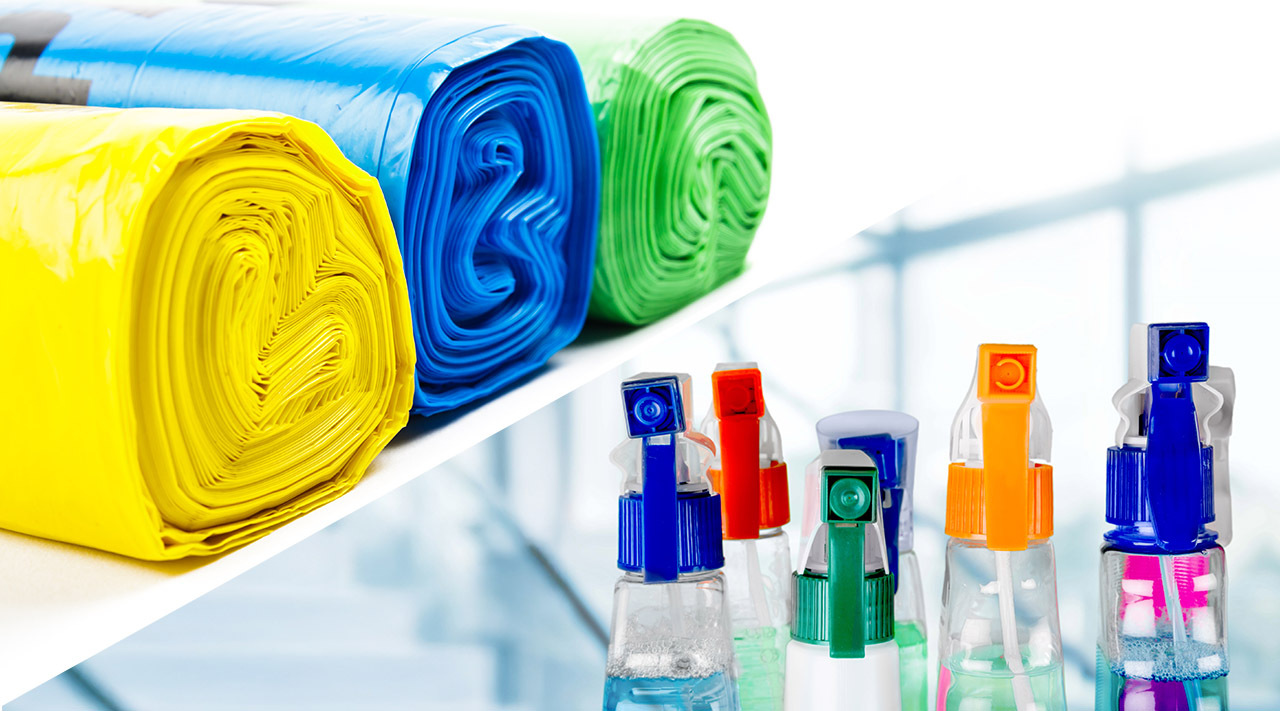
• Use Matching Buckets and Bottles: Extend the color-coding system to spray bottles, buckets, and mop handles to prevent mix-ups.
• Post Reference Charts: Display laminated guides in storage rooms and break areas for quick visual reminders.
• Schedule Color-Specific Training: Conduct short monthly refreshers on zone protocols—especially before flu season.
Track Supply Usage: Monitor which colors need replenishing most often to optimize ordering and identify high-use zones.
Prevent Cross-Contamination with an Easy System for Commercial Facilities
Commercial facilities—from office buildings to wellness centers—face the challenge of maintaining professional standards while managing high traffic volumes. A color-coded system scales beautifully to meet these demands.
Office Building Protocol
Modern office spaces require a sophisticated approach to cleaning that maintains professional aesthetics while ensuring hygiene:
Reception and Common Areas (Blue): These high-visibility spaces set the tone for your facility. Use blue-coded supplies consistently, and consider pairing them with professional-grade cleaning solutions that leave surfaces streak-free and presentable.

Private Offices and Conference Rooms (Blue or Gray): Maintain consistency with blue for general surfaces, but consider gray for specialized equipment like keyboards and screens that require gentler cleaning approaches.
Break Rooms and Kitchenettes (Green): Even small office kitchens need food-safe cleaning protocols. Keep green supplies separate and easily accessible to prevent staff from grabbing the wrong tools for quick cleanups.
Restrooms (Red and Yellow): Commercial restrooms see heavy use throughout the day. Implement a strict red/yellow separation and consider multiple sets to allow for peak-time cleaning without cross-contamination.
Wellness and Fitness Centers
Fitness facilities require an enhanced color-coding system due to the unique combination of high-touch equipment and bodily fluids:

Exercise Equipment (Orange): Dedicate orange microfiber cloths specifically for equipment cleaning. Supplement with Zogics Antibacterial Wipes in convenient dispensers placed throughout the facility to encourage member participation in equipment sanitization.
Locker Rooms (Red and Yellow) Follow standard restroom protocols but with increased frequency. Consider having morning and evening sets to maintain freshness throughout operating hours.
Spa and Treatment Areas (White or Pink) These sensitive areas often require hypoallergenic cleaning approaches. Designate specific colors and ensure these supplies never migrate to other facility areas.
Studio and Group Fitness Spaces (Purple) High-traffic studio spaces benefit from their own designated color to prevent equipment and floor contamination from spreading to other areas.
Healthcare and Medical Facilities
Healthcare settings demand the strictest adherence to color-coding protocols:
• Patient Rooms (Varied): Consider room-specific color assignments for isolation areas
• Operating Theaters (White): Maintain sterile protocol with dedicated white supplies
• Waiting Areas (Blue): Standard low-risk cleaning with increased frequency
• Cafeterias (Green): Strict food-service protocols
Building Your Complete Color-Coded System
Essential Supplies for Every Color Zone
A comprehensive color-coded system requires more than just colored microfiber cloths. Here's your complete shopping list:
Microfiber Cloths
• Purchase at least 2-3 dozen per color for proper rotation
• Choose high-quality options that withstand hundreds of wash cycles
• Consider different textures for specific tasks within each color zone
• Color-coded mop heads for each zone
• Matching buckets with clear labeling
• Separate wringers to prevent cross-contamination
Storage Solutions
• Colored bins or bags for dirty items
• Wall-mounted holders for clean supplies
• Mobile carts with color-designated compartments
Supporting Products
• Disinfecting wipes for high-touch areas
• Appropriate dispensing systems
• Color-coded spray bottles for cleaning solutions
Proper Maintenance and Replacement Schedules
Your color-coded system only works if the tools themselves remain uncontaminated:
Daily Care
• Rinse microfiber cloths immediately after use
• Store dirty items in designated colored bags
• Never mix colors in storage, even temporarily
Washing Protocols
• Wash each color separately in hot water (at least 160°F for sanitization)
• Avoid fabric softeners, which reduce microfiber effectiveness
• Machine dry on low heat or air dry to extend lifespan
Replacement Guidelines
• Microfiber cloths: Every 300-500 wash cycles or when fraying begins
• Mop heads: Monthly for high-traffic areas, quarterly for others
• Buckets and tools: Annually or when damage appears
Training Your Team for Success
Even the best system fails without proper training. Here's how to ensure adoption:
Initial Training Program
Week 1: Foundation
• Explain the "why" behind color-coding with real contamination examples
• Demonstrate proper tool selection and use
• Practice scenarios in actual facility areas
Week 2: Reinforcement
• Shadow cleaning sessions with immediate feedback
• Quiz staff on color assignments
• Address questions and concerns
Week 3: Independence
• Allow supervised independent work
• Document any confusion points for clarification
• Celebrate successful implementation
Ongoing Education
• Monthly Refreshers: Five-minute team meetings reviewing one color zone
• Visual Reminders: Post infographics in break rooms and supply closets
• Incident Learning: Use any contamination events as teaching moments
• New Employee Onboarding: Include color-coding in day-one training
Measuring Success: KPIs for Your Color-Coded System
Track these metrics to prove your system's value:
Health and Safety Metrics
• Reduction in reported illness among facility users
• Decrease in contamination-related incidents
• Improved health inspection scores
• Fewer worker compensation claims related to cleaning chemical exposure
Operational Efficiency
• Time saved during cleaning rounds (target: twenty percent reduction)
• Decrease in cleaning supply waste
• Reduced retraining needs for new staff
• Fewer cleaning-related complaints
Financial Impact
• Lower cleaning supply costs through proper use
• Reduced equipment replacement due to improper cleaning
• Decreased liability insurance claims
• Improved facility user retention
Common Mistakes to Avoid
Learn from others' errors to perfect your implementation:
The "Close Enough" Trap
Never substitute colors because you're out of the right one. If you don't have red cloths for the restroom, don't use pink—wait for proper supplies or maintain backup inventory.
Forgetting About Laundering
Mixing colors in the washing machine defeats the entire purpose. Invest in multiple washing loads or designated wash days for each color.
Incomplete Implementation
Going halfway with color-coding creates confusion. Either commit fully or don't start—partial systems often increase rather than decrease contamination risks.
Ignoring Feedback
Your cleaning staff works with this system daily. Regular check-ins reveal practical challenges you might not anticipate from a management perspective.
Advanced Strategies for Large Facilities
Zone-Based Color Coding
For massive facilities, consider adding location-based subcategories:
• North Wing: Blue with white stripe
• South Wing: Blue with black stripe
• Executive Floors: Blue with gold stripe
Time-Based Rotation
Implement morning and evening sets of each color to ensure fresh tools throughout operating hours without constant laundering.
Digital Tracking Systems
Use QR codes on supply closets to track which colors are being used where, identifying patterns and potential contamination risks.
Making the Investment Pay Off
The initial investment in a color-coded system typically pays for itself within 3-6 months through:
• Reduced sick days (average savings: thousands in productivity)
• Lower insurance premiums from fewer incidents
• Decreased cleaning chemical use through proper application
• Extended equipment life from appropriate cleaning methods
• Improved facility reputation leading to higher occupancy or usage rates

Your Next Steps
Ready to implement a color-coded cleaning system that actually works? Here's your action plan:
1. Assess Your Current System: Document existing cleaning protocols and identify contamination risks
2. Choose Your Color Scheme: Adapt the standard system to your facility's unique needs
3. Source Quality Supplies: Invest in professional-grade microfiber cloths and appropriate dispensing systems
4. Train Your Team: Implement the three-week training program outlined above
5. Monitor and Adjust: Track your KPIs and refine the system based on real-world results
Clean Smarter, Not Harder
A color-coded cleaning system isn't just about preventing cross-contamination—it's about transforming your entire approach to facility maintenance. When every tool has a purpose and every staff member knows exactly which supplies to use where, cleaning becomes faster, more effective, and surprisingly simple.
The facilities that thrive in today's health-conscious environment aren't necessarily the ones with the biggest cleaning budgets—they're the ones with the smartest systems. By implementing a proper color-coded protocol with quality supplies from Zogics' professional cleaning line, you're not just cleaning your facility; you're protecting everyone who enters it.
Stop letting cross-contamination put your facility at risk. Start your color-coded system today and experience the difference that organized, intentional cleaning makes. Your staff will thank you, your facility users will notice, and your bottom line will reflect the positive change.
Ready to revolutionize your cleaning system? Browse Zogics' complete selection of color-coded microfiber cloths and commercial cleaning supplies to build your contamination-prevention system today.